
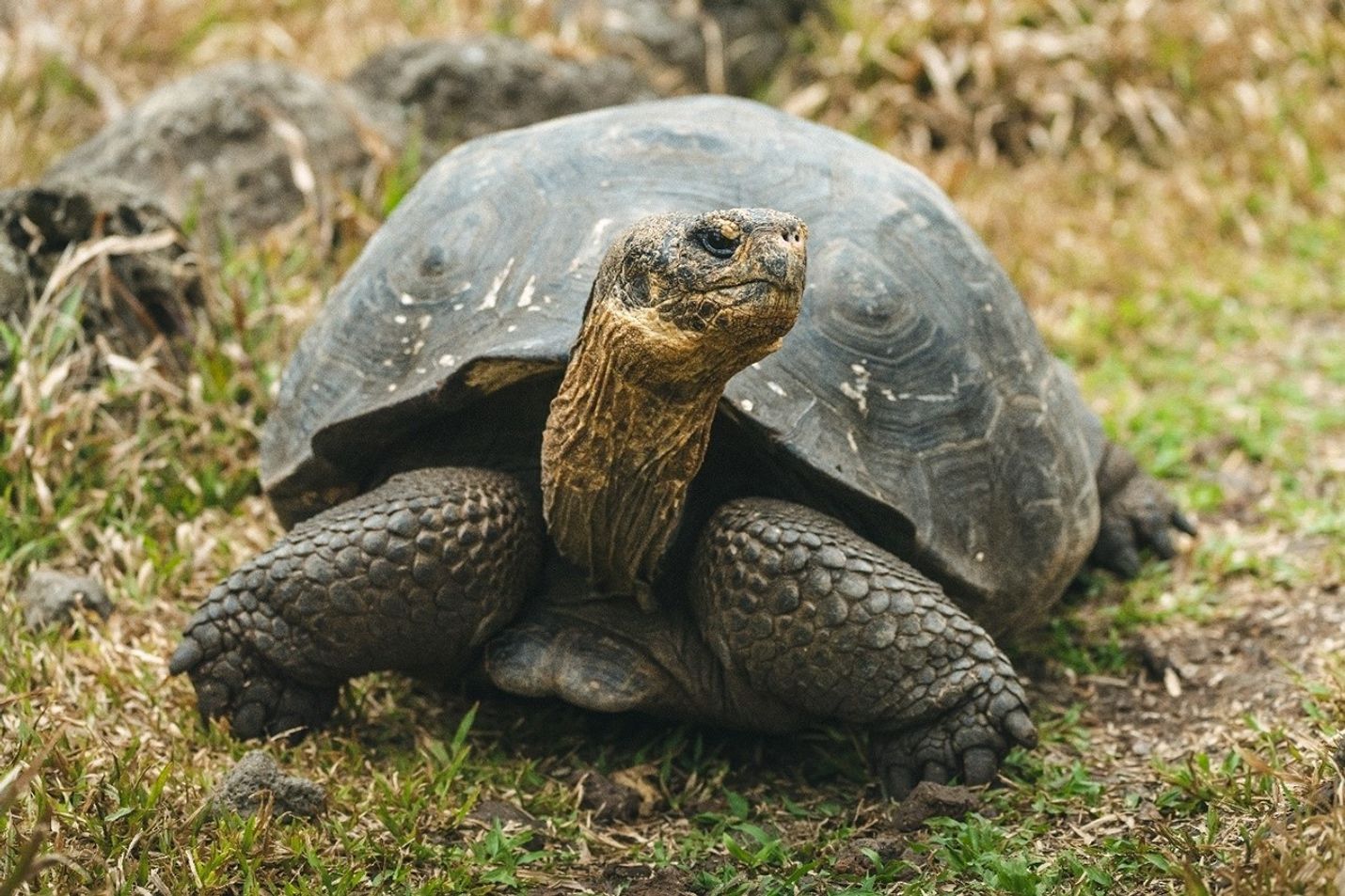
© Galápagos Conservancy, used with permission
For the first time in more than 150 years, giant tortoises are returning to the wild on Floreana Island in the Galápagos - guided by NASA satellite data that helps scientists discover where the animals can find food, water, and nesting habitat.
The effort, a collaboration between the Galápagos National Park Directorate and Galápagos Conservancy, marks a key milestone in restoring tortoise populations to one of the most ecologically distinctive archipelagos on Earth.
On Floreana Island, tortoises disappeared in the mid-1800s after heavy hunting by whalers and the introduction of new predators like pigs and rats, which consumed tortoise eggs and hatchlings. Without the tortoises, the island began to change. Across the Galápagos, giant tortoises historically helped shape the landscape by grazing vegetation, opening pathways through dense plant growth, and carrying seeds across islands.
"This is exactly the kind of project where NASA Earth observations make a difference," said Keith Gaddis, the manager for NASA Earth Action's Biological Diversity and Ecological Forecasting program at NASA Headquarters in Washington. "We're helping partners answer a practical question: Where will these animals have the best chance to survive - not just today, but decades from now?"
Matching Tortoises to Landscape
On Feb. 20, the Galápagos National Park Directorate and conservation partners released 158 giant tortoises at two sites on Floreana.
"It's a huge deal to have these tortoises back on this island. Charles Darwin was one of the last people to see them there," said James Gibbs, the Galápagos Conservancy's Vice President of Science and Conservation and a co-principal investigator of the project.
In 2000, scientists made an unexpected discovery. Gibbs and other researchers found unusual tortoises on northern Isabela Island's Wolf Volcano, the tallest peak in the Galápagos, that did not look like any other known living tortoises. About a decade later, DNA extracted from bones of the extinct Floreana tortoises - found in caves on the island and in museum collections - confirmed the tortoises carried Floreana ancestry, launching a breeding program that has since produced hundreds of offspring expected to return to the island. Researchers believe that whalers likely moved tortoises between the islands more than a century earlier.
The Galápagos National Park Directorate has raised and released across the Galápagos more than 10,000 tortoises over the last 60 years, one of the largest rewilding efforts ever attempted. But each island presents a different puzzle.
Some hills and small mountains in the Galápagos intercept clouds and stay cool and damp with evergreen vegetation. Others are dry enough that green vegetation appears only briefly after rain. Where these zones occur on the same island, tortoises move between them, with some animals traveling miles each year between seasonal feeding and nesting areas.
"It's difficult for the tortoises because they get introduced from captivity into this environment," Gibbs said. "They don't know where food is. They don't know where water is. They don't know where to nest. If you can place them where conditions are already right, you give them a much better chance."
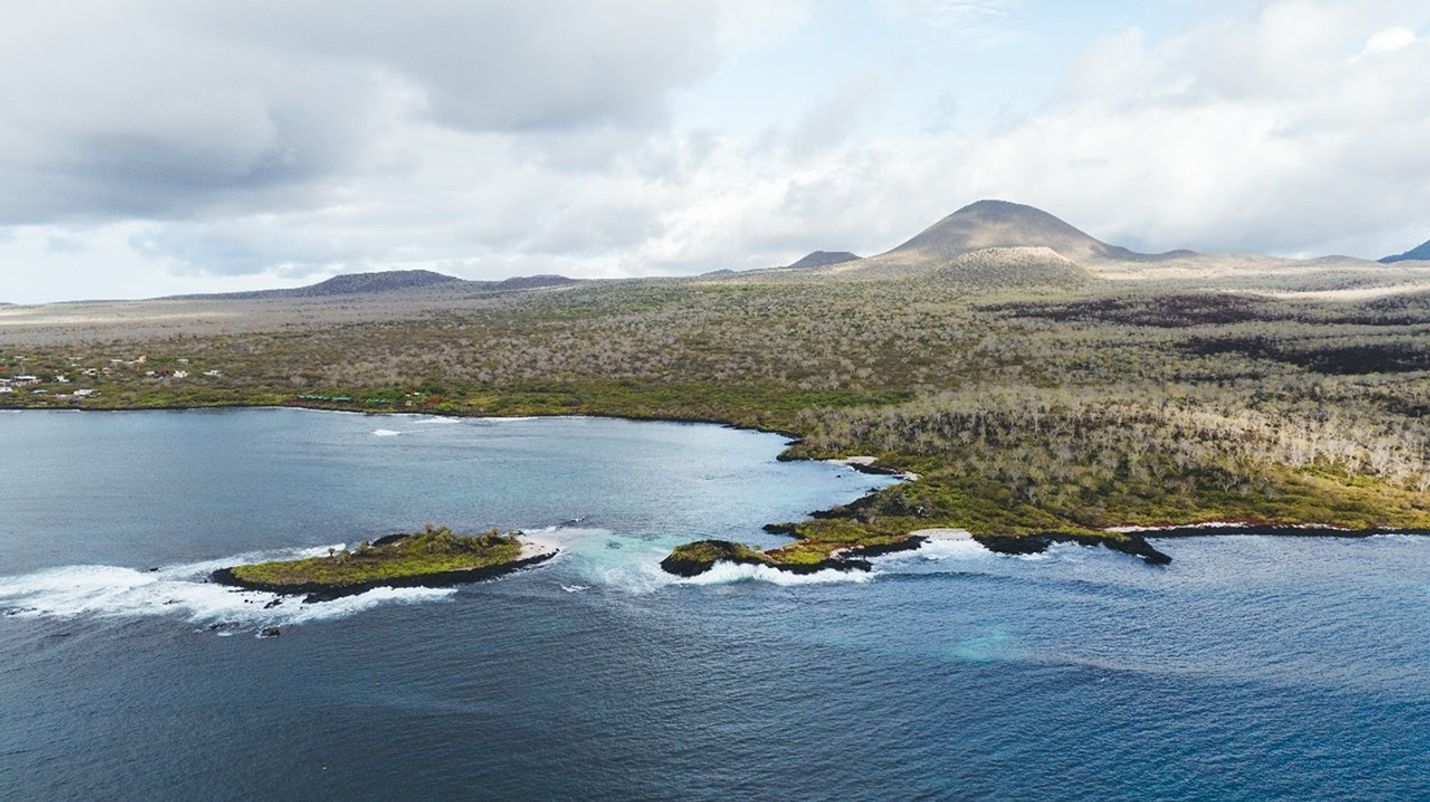
That's where NASA satellite data comes in.
NASA Earth observations allow scientists to map environmental conditions across the islands and track how vegetation, moisture, and temperature shift over time - clues to where tortoises can find food and water.
Using those records, Gibbs and Giorgos Mountrakis, the project's principal investigator, and their team built a decision tool that combines satellite measurements of habitat and climate conditions with millions of field observations of tortoise locations across the archipelago to guide where, and when, to release the animals.
"Habitat suitability models and environmental mapping are essential tools," said Christian Sevilla, the Director of Ecosystems at the Galápagos National Park Directorate. "They allow us to integrate climate, topography, and vegetation data to make evidence-based decisions. We move from intuition to precision."
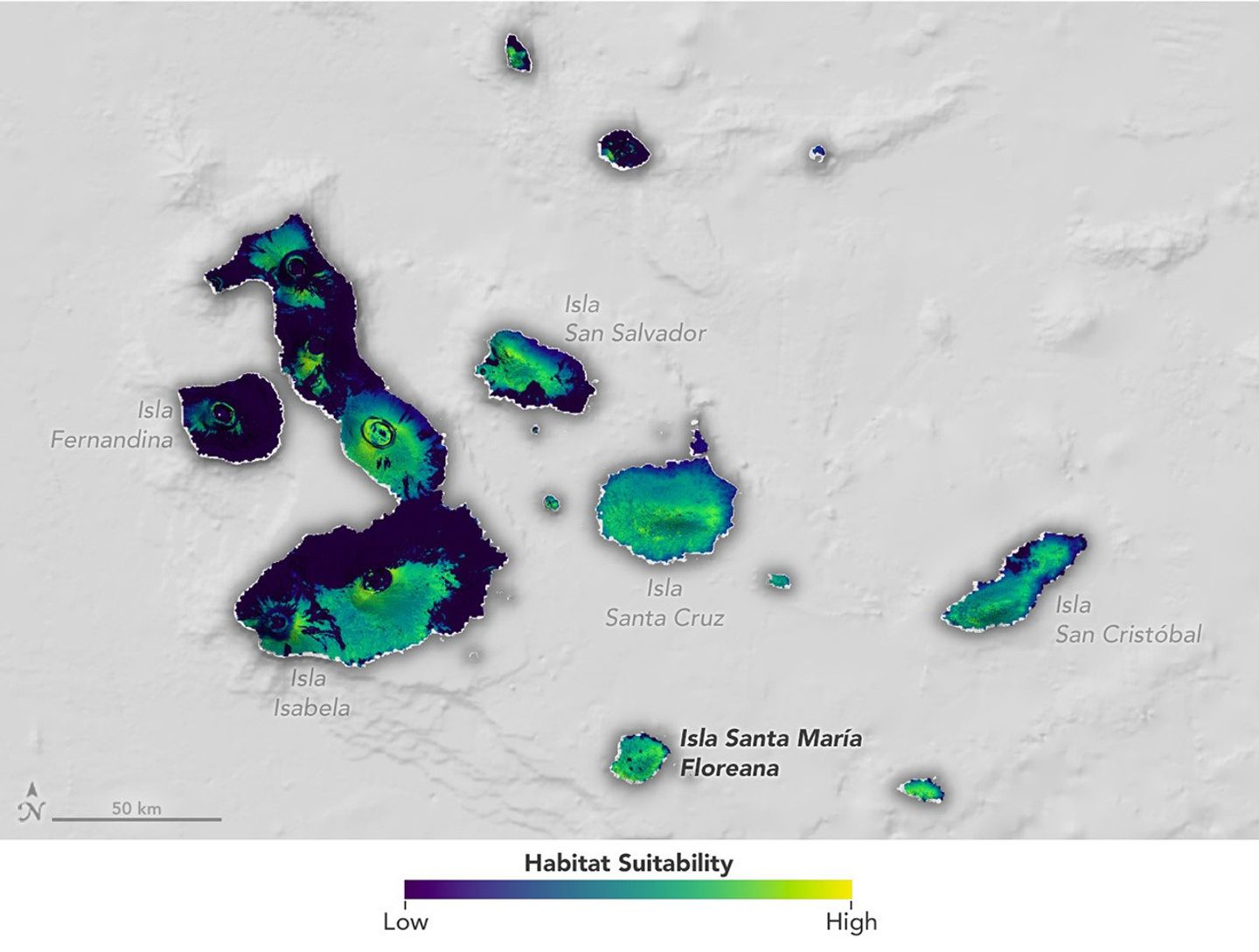
The decision tool draws on multiple NASA and partner satellite missions. Landsat and European Sentinel satellites track vegetation conditions. The Global Precipitation Measurement mission provides rainfall data. The Terra satellite helps estimate land-surface temperature, and terrain data adds elevation and landscape features. In some cases, high-resolution commercial satellite images, acquired through NASA's Commercial Smallsat Data Acquisition Program, help teams evaluate potential release sites before field surveys begin.
With tortoise-environment relationships in hand, the team can map habitat suitability today and forecast how it may shift decades into the future as environmental conditions change.
"The forecasting part is critical," said Mountrakis, of the State University of New York College of Environmental Science and Forestry in Syracuse. "This isn't a one-year project. We're looking at where tortoises will succeed 20, 40 years from now."
Because the tortoises can live more than a century, habitat conditions decades from now matter as much as conditions today.
More Than Conservation
The tortoise release is part of the larger Floreana Ecological Restoration Project, which aims to remove invasive species like rats and feral cats and eventually return 12 native animal species to the island, with tortoises serving as the keystone for rebuilding the ecosystem.
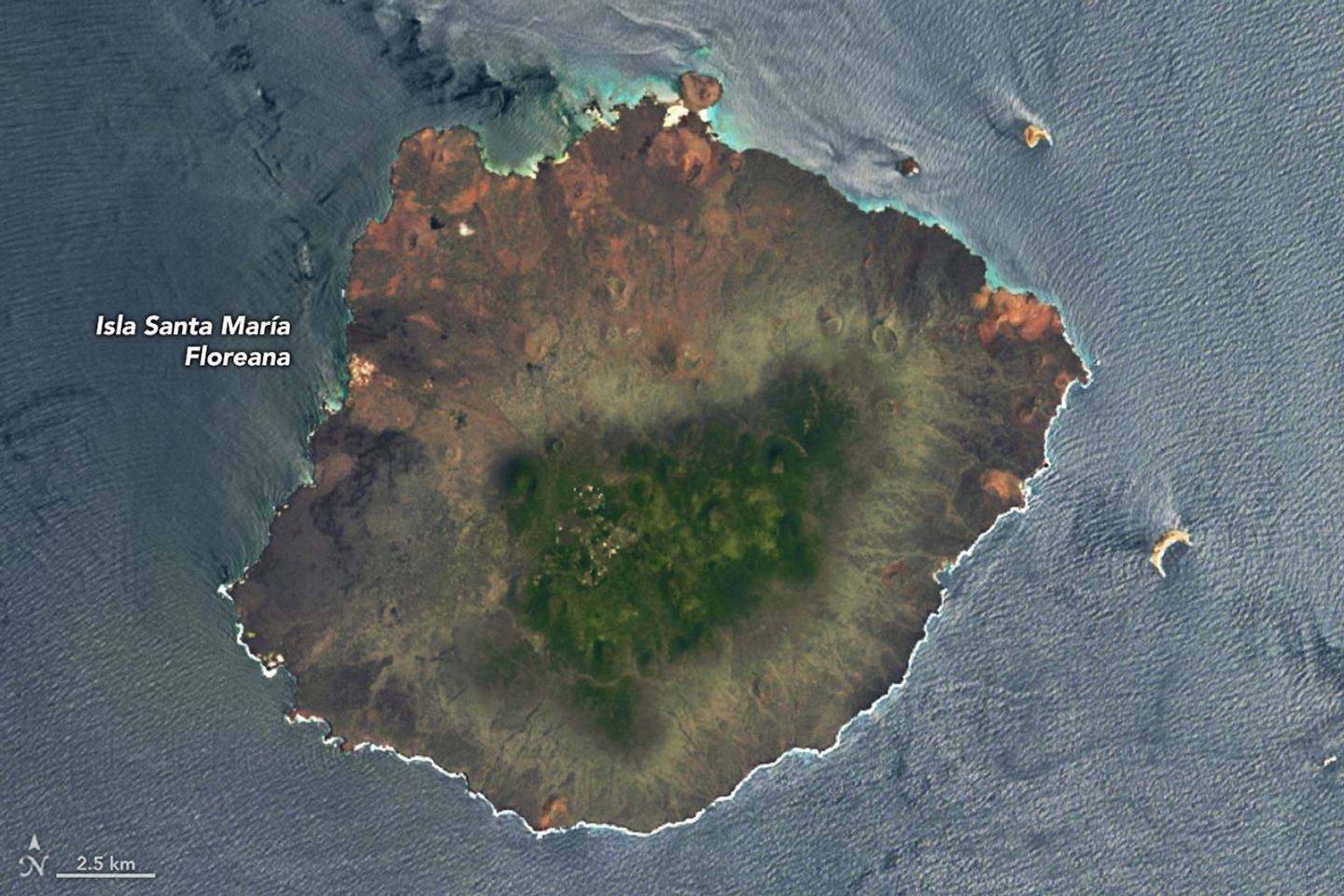
The Galápagos Conservancy is also using NASA satellite data and the decision tool developed to help guide tortoise releases on other Galápagos islands and to plan future reintroductions across the archipelago.
If successful, Floreana Island could once again support a large tortoise population, helping restore relationships between animals, plants, and the landscape that shaped the island for thousands of years.
"For those of us who live and work in Galápagos, this [release] is deeply meaningful," Sevilla said. "It demonstrates that large-scale ecological restoration is possible and that, with science and long-term commitment, we can recover an essential part of the archipelago's natural heritage."


