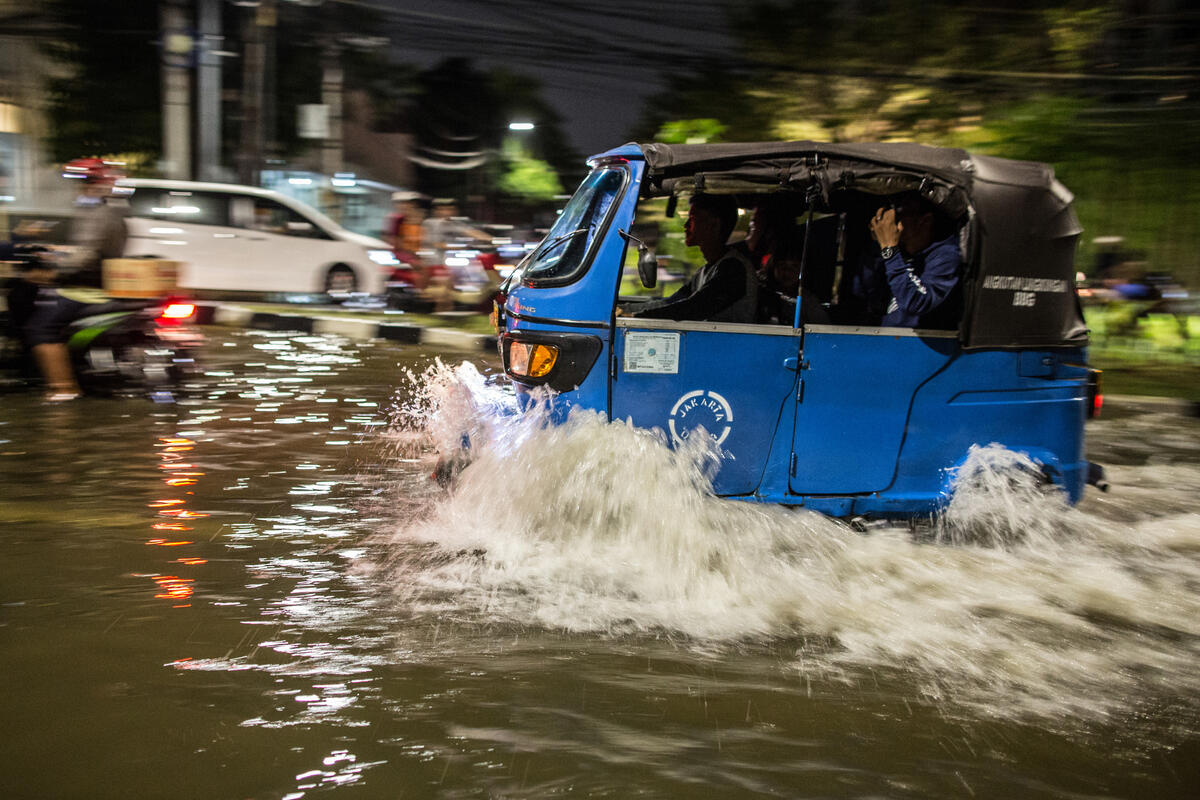
On 8 March 2026, many neighbourhoods in Jakarta – one of the fastest-sinking cities in the world – were submerged by floods. Hundreds of residents displaced as relentless rainfall hit the metropolitan area and its satellite cities, including Bekasi, the one where I live now.
These floods happening exactly on International Women's Day instantly reminded me of how I learned that the climate crisis is tougher on women. I know people don't tend to think about gender when they think about extreme weather events, but the evidence shows that it's connected.
And as a woman who experienced countless floods in Jakarta, I can testify: the climate crisis is not just. It's not gender-neutral.
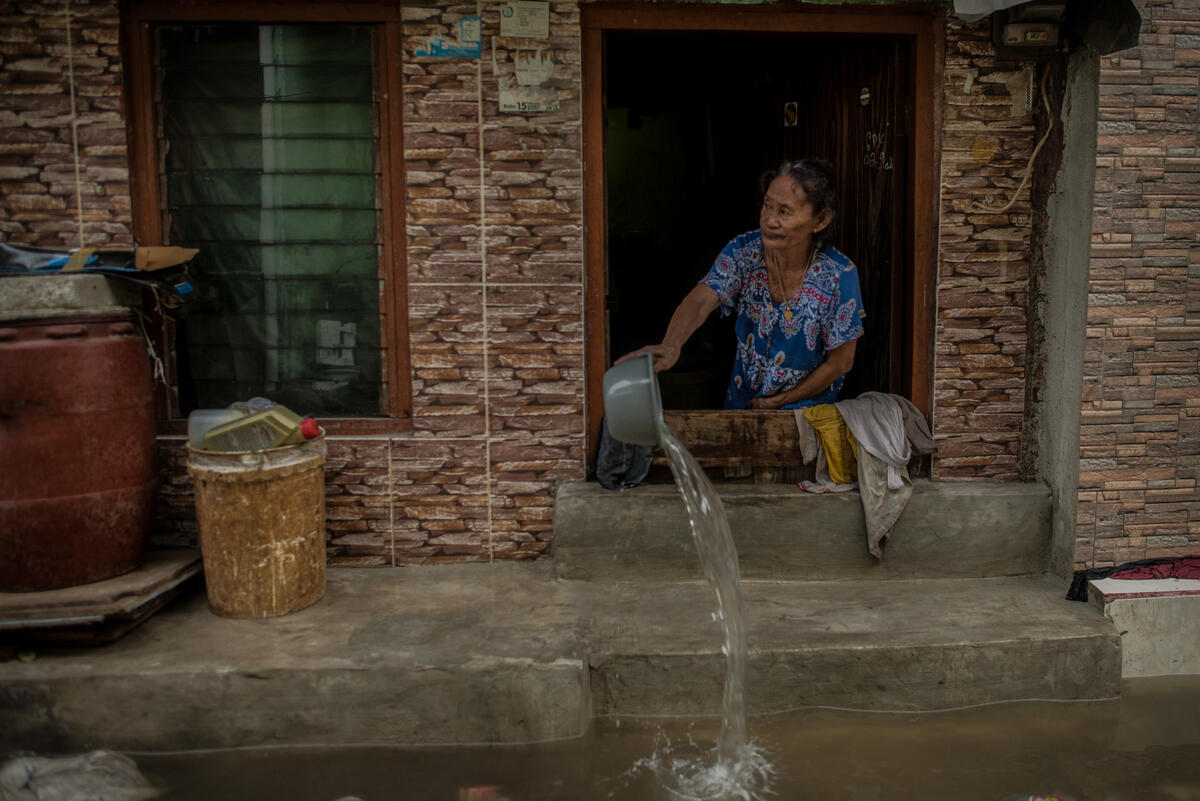
I didn't figure it out by accident. When I was a teenager, life took an unexpected turn from what it used to be. Certain situations forced our family to let go of our childhood home and move to a densely-populated neighbourhood in one of the city's alleys where reliable electricity was sometimes a luxury. We found out too late that it was also a flood-prone area until one morning, it came.
We didn't get the opportunity to evaluate that sudden risk. My Dad and my little brother immediately laid some old clothes near our front door as barriers, while my Mom and I put our family's important papers and documents in the cheap waterproof bags. We tried our best to avoid the water from entering without sandbags, but we failed. Most of the house was submerged. No clean water. No electricity. No access to buy food.
We slowly became familiar with such conditions as floods kept coming again and again occasionally during rainy seasons. As a teenage girl, I was often frustrated because I wasn't able to buy sanitation supplies when I needed them the most, including menstrual pads. It never crossed my mind that dealing with numerous floods without proper resources while facing significant infrastructural and social challenges in Jakarta – with myriad threats like tidal floods, rising sea levels, water scarcity, and poor air quality – meant my health and hygiene were being compromised. I didn't have time to miss my childhood home.
I talked to my female neighbours in that area during those years. Some of them were middle school students like me, some were single mothers whose children were sick from time to time due to constant flooding and polluted air, some were informal middle-aged workers with low-paid wages to support the family, and one of them even told me she had to suffer from domestic violence in the past as a result of increasing stress levels in the similar neighbourhood. All of us collectively agreed the same thing: when people romanticised the rain, we wholeheartedly cursed it.
This memory which I once denied has become a part of my own story. I soon realised there are many other women exposed to environmental risks in Jakarta whose struggles are even made harder due to poverty, cultural norms, gendered-responsibilities, and systematically unjust oppression.
The burden of the climate crisis is not evenly distributed
The climate crisis disproportionately affects women who are already dealing with stigma and discrimination they are up against in their daily life, especially when they are also a part of other marginalised groups: low-income, BIPOC (Black, Indigenous, and People of Color), disabled, or LGBTQ+, exposing the intersectionality of climate impacts, gender inequality and social injustice.
In some regions, women already lack access to healthcare, basic education, natural resources, or employment, making them less prepared than men when the climate disasters hit. The Indigenous Women communities in Brazilian Amazon have to spend more time in their fields to secure minimal harvests or walk longer distances to collect water when rivers run dry while they have to take care of family members who are sick due to the rising temperatures. Their burdens have physically and mentally multiplied.
Another fact that the relationship between women and the climate crisis has often been overlooked is that the effects of the crisis are intensifying the social and economic stresses that are contributing to violence against women and girls, just like what one of my former neighbours experienced above. Many women in Indonesia also have to face systematic violence from authorities as the exploitative management of natural resources which constantly causes climate disasters often uses methods that violate human rights.
Women are more at risk, but less in policy-making roles
Gender gaps in climate policy-making still persist across the world. Women make up less than 40% of environment ministers in wealthier societies, and the numbers are even considerably lower in locations where women are most vulnerable to environmental risk, particularly in low-income countries and environmentally-sensitive sectors.
As much as I support and encourage the acts of solidarity during women's history month in which I was a part of as well, I think we need to remind ourselves that it's important we should recognise and stand in solidarity with women who have enough resources and successfully thrive in male-dominated fields, but especially with women in minorities and those at the forefront of the climate crisis, such as single mothers in coastal communities without free access to healthcare and have low-paid jobs, Indigenous women whose efforts are central to our planet's biodiversity, or women human rights defenders experiencing intimidation and violence.
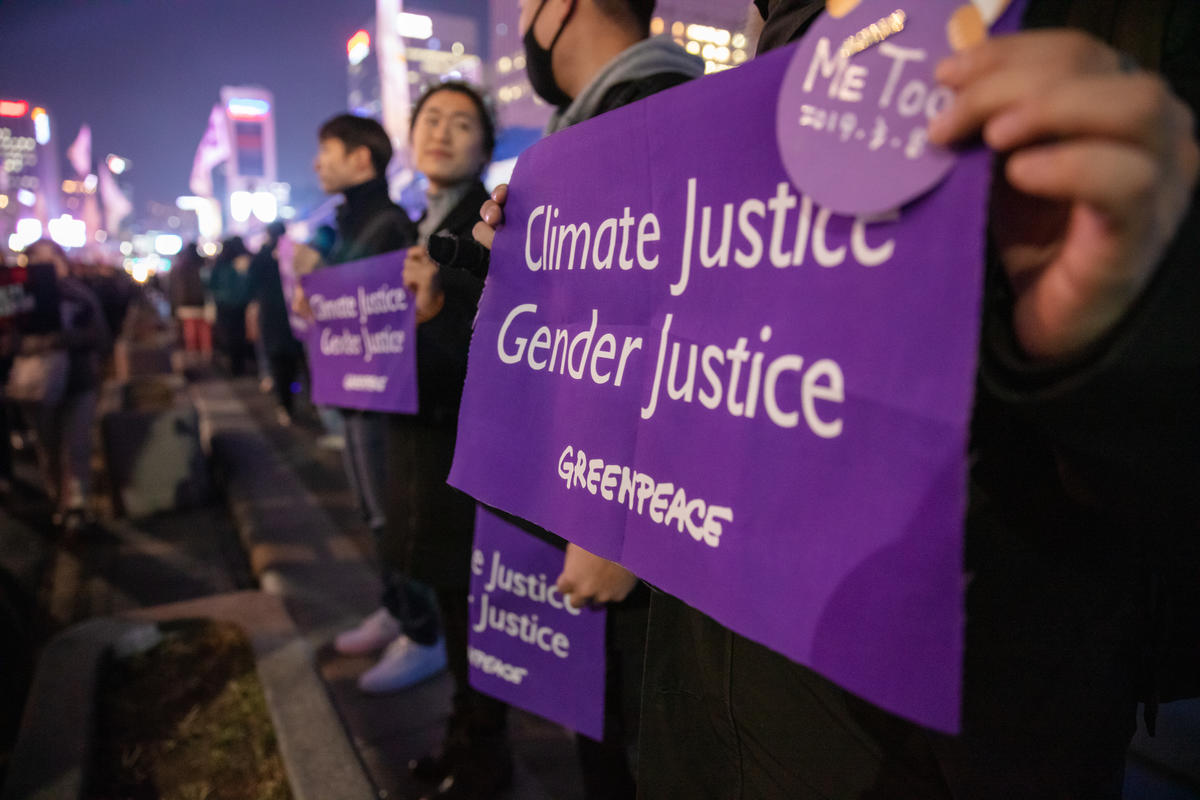
A better understanding on how gender equality intersects with social and climate justice plays a key role in order to call for real actions and implement solutions that work for our varied experiences. When gender equality is treated as a symbolic celebration, it's only a decoration. It's time for actual representation and inclusion that ensures women's voices are heard and their struggles are properly addressed.
Social justice and climate justice are about our planet and the lives of all people, so fighting for both is crucial to achieve a fairer, greener, more equitable, and more sustainable future for all.