
Worker representatives from Thailand's rubber sector have strengthened their ability to improve occupational safety and health (OSH), with the support of the International Labour Organization (ILO).
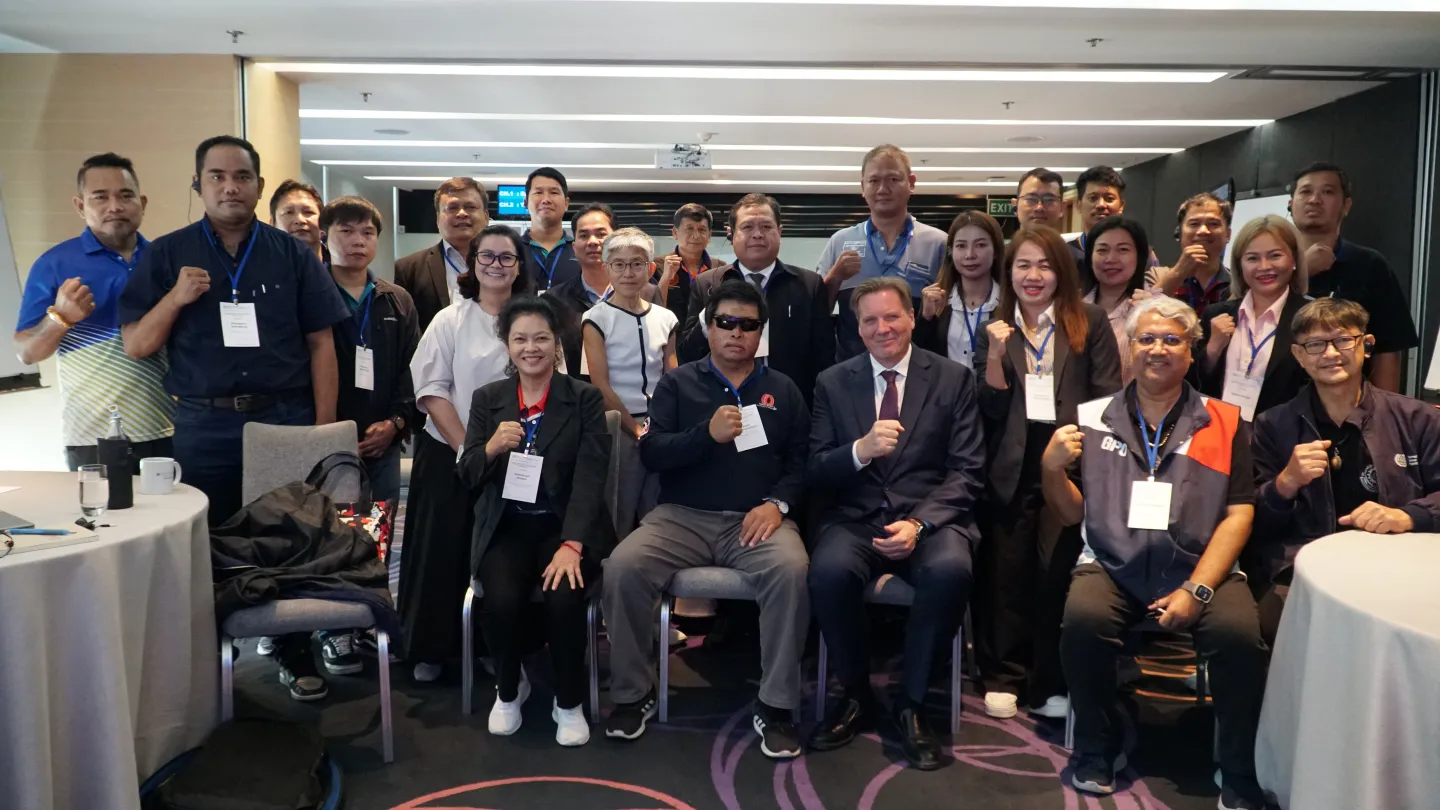
On 17-18 September 2026, the ILO brought together 22 worker representatives from 10 workers' organizations in the rubber sector for a two-day training on "Workplace OSH management systems, risk assessment and worker participation."
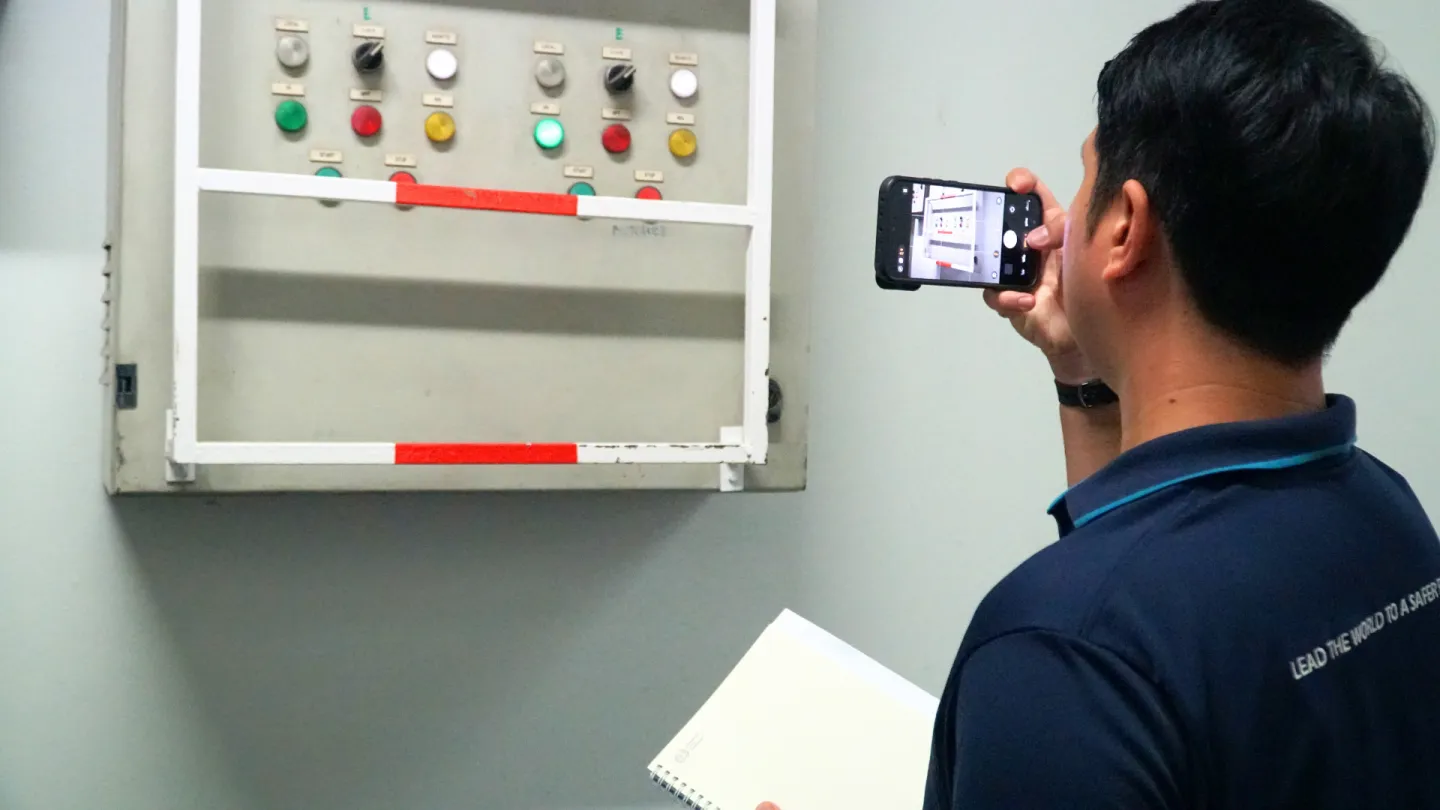
The training had a focus on practical actions that can be applied in workplaces. It saw participants strengthen their ability to identify hazards, assess and control risks, report occupational accidents and diseases, develop evidence-based OSH policy and plan in the workplace and promote worker-management cooperation.
© Pichit Phromkade/ILO
"Workers are often the first to see where safety and health risks arise in their workplaces. When workers and their representatives have the knowledge, practical tools and opportunities to participate in workplace OSH management, they can play a vital role in identifying risks early and working with employers to find effective solutions," said Dr Yuka Ujita, Senior OSH Specialist at the ILO.
"Safety and health are fundamental to our lives, including at work. Taking part in the activity, visiting actual workplaces and identifying good OSH practices helped me visualize and understand these issues much more clearly. After the training, I will share this knowledge with worker representatives and the OSH committee," said Saman Pornprachathum, a participant.
Workers across Thailand's rubber supply chain are exposed to a range of OSH hazards. In rubber tapping, these can include sharp tools, chemicals and venomous animals, while workers in processing facilities may face high risk due to chemicals and fumes. Psychosocial hazards, including violence and harassment, are also increasingly recognized as an important element of workplace safety and health.
An ILO assessment of Thailand's rubber supply chain found significant gaps in OSH management, particularly in upstream rubber tapping, where access to safety information, systematic training and personal protective equipment remains limited. Further along the supply chain, the assessment identified chemicals and fumes as the high-risk hazards requiring strengthened prevention measures.
The training is part of the ILO's Strengthening Fundamental Principles and Rights at Work and Trade Readiness in Thailand Project funded by Government of Canada's Employment and Social Development Canada (ESDC), which supports efforts to promote and realize safe and healthy working environments as a fundamental principle and right at work. It contributes to the implementation of relevant international labour standards, including the Occupational Safety and Health Convention, 1981 (No. 155) and the Promotional Framework for Occupational Safety and Health Convention, 2006 (No. 187).
© Pichit Phromkade/ILO


