
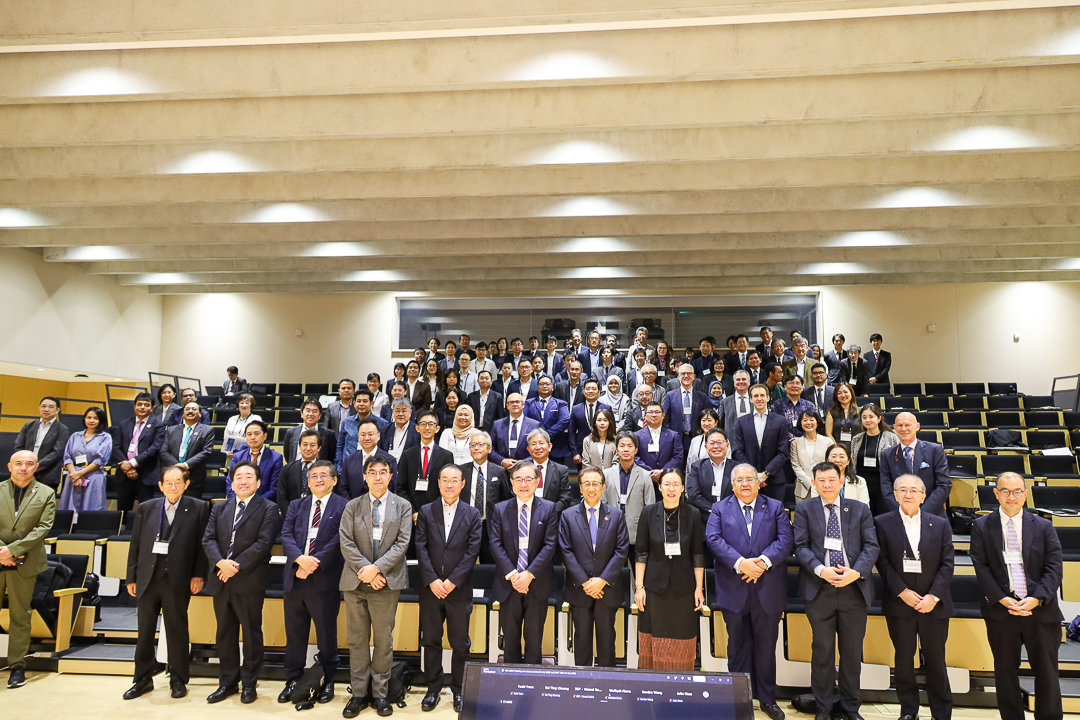
Government officials, financial regulators, researchers, industry leaders, and representatives of international organizations from across the ASEAN+3 region gathered at Hokkaido University to discuss how finance can contribute to sustainability, food security, and regional development.
The 46th ASEAN+3 Bond Market Forum (ABMF) Meeting and Related Events were held from July 6 to 10 under the theme "Sustainability, Food Security, and the Role of Finance," at Hokkaido University. Co-organized by Hokkaido University, the Asian Development Bank (ADB), and XBRL Asia, the event opened with Hokkaido University Day on July 6 at the Global Research Center for Food & Medical Innovation.
Hokkaido University Day at the 46th ASEAN+3 ABMF
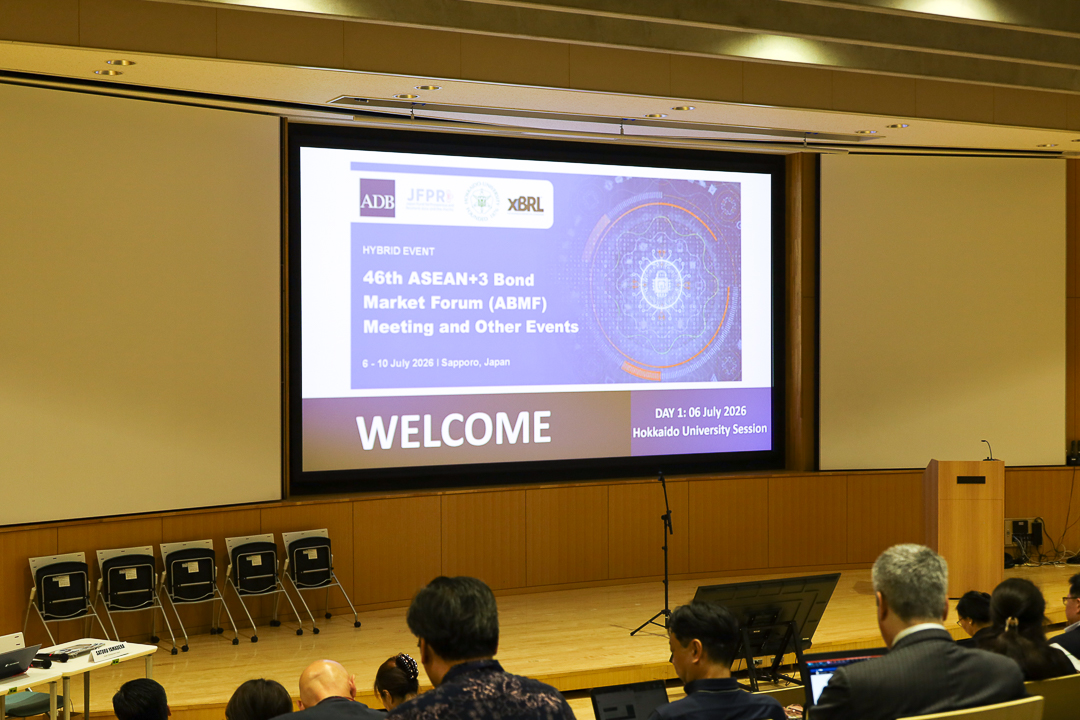
Established in 2010 under the Asian Bond Markets Initiative (ABMI), ABMF brings together government officials, financial regulators, market operators, financial institutions, and other experts to promote the standardization and harmonization of bond markets across the ASEAN+3 countries-China, Japan, and South Korea. The forum also serves as an international platform where policymakers, universities, international organizations, and the private sector exchange perspectives on the role of finance in achieving sustainable economic and social development.
The five-day program opened with Hokkaido University Day, which showcased the University's research strengths and regional innovation initiatives, setting the stage for discussions throughout the subsequent ABMF-related meetings.
The event opened with welcome remarks from Sapporo Mayor Katsuhiro Akimoto and Hokkaido Vice Governor Tsuyoshi Mitsuhashi. Mayor Akimoto welcomed participants to Sapporo and highlighted the city's designation as a special zone for finance and asset management to promote investments in GX and AI. Meanwhile, Vice Governor Mitsuhashi emphasized the importance of financial infrastructure for sustainable economic growth and introduced Hokkaido's significant renewable energy potential, food production, and data-driven industries.
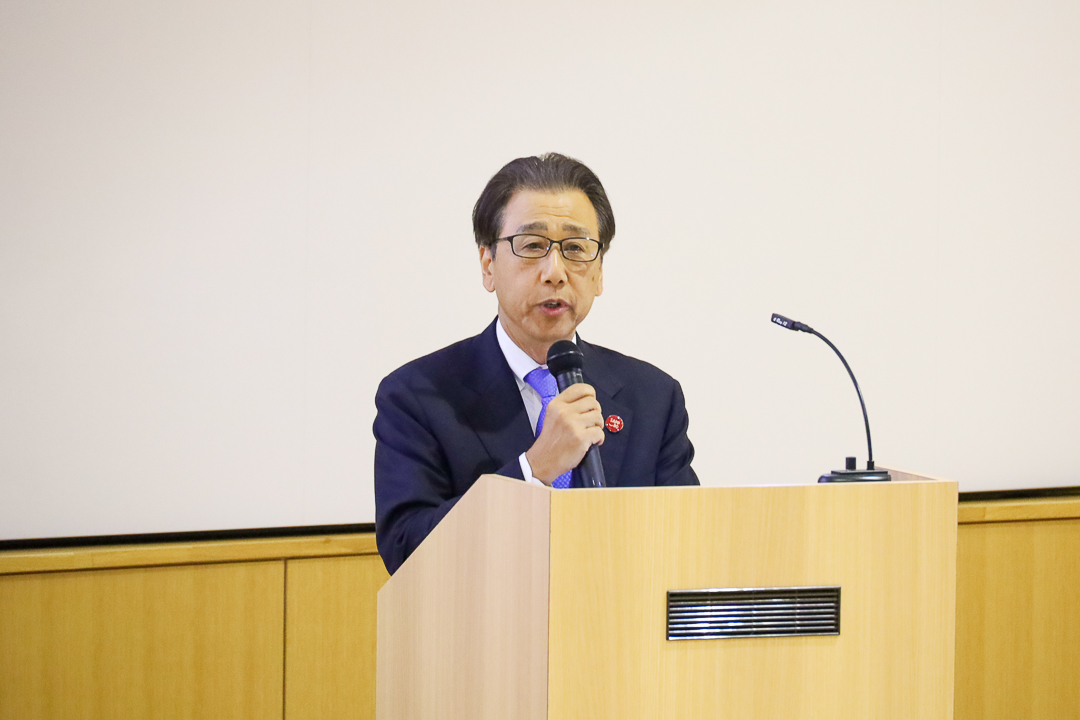
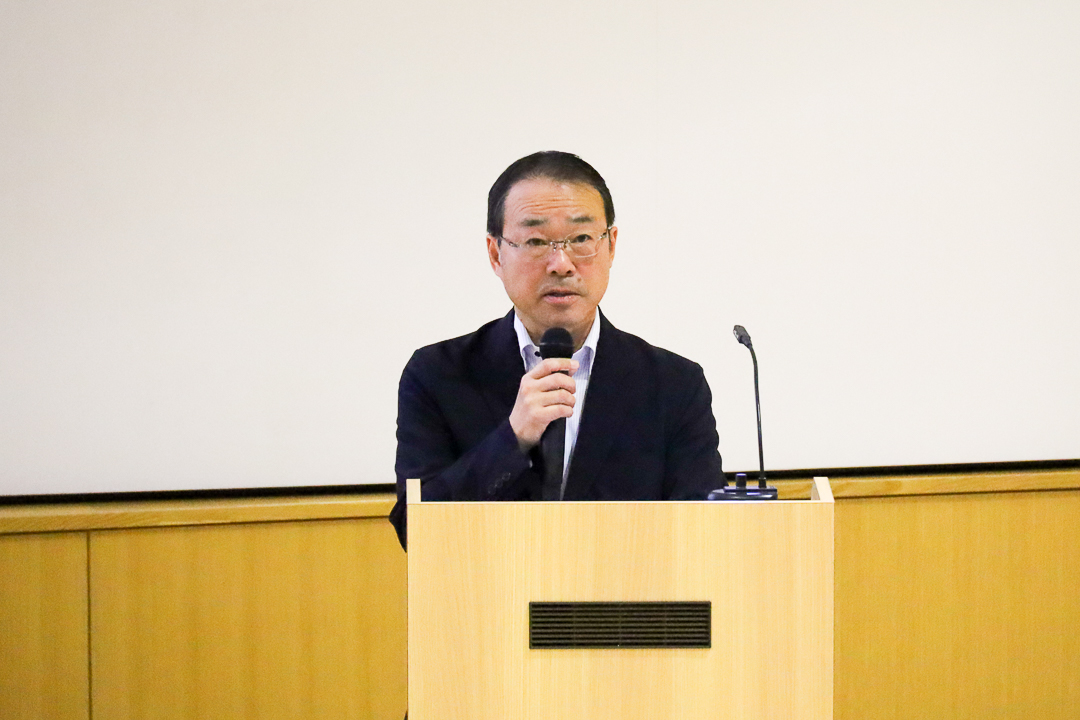
Left: Sapporo Mayor Katsuhiro Akimoto / Right: Hokkaido Vice Governor Tsuyoshi Mitsuhashi
Hokkaido University President Kiyohiro Houkin then delivered a keynote speech titled "The Future of Hokkaido and the Role that Hokkaido University Will Play." He introduced the University's history and research strengths and discussed its role in addressing challenges related to food and energy security.
He also highlighted developments in GX, AI, semiconductor technology, and sustainable food production. He further emphasized Hokkaido University's commitment to creating social impact through research excellence, interdisciplinary collaboration, and partnerships with industry and international stakeholders. He also stressed the importance of working with industry and local communities to help address challenges shared across Asia.
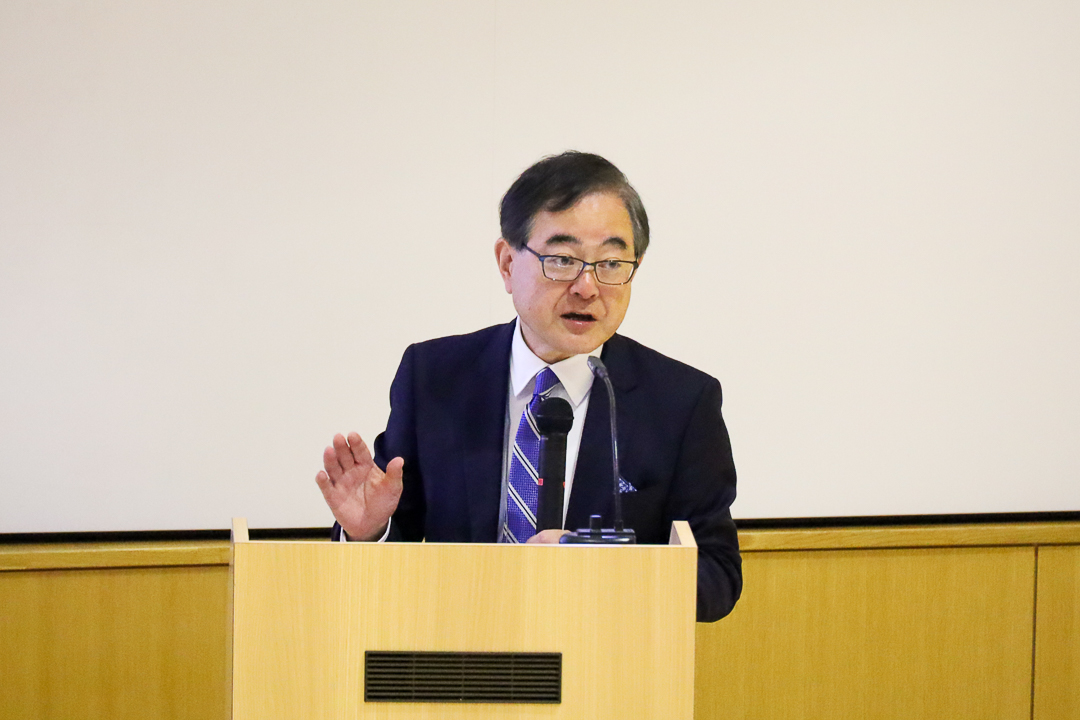
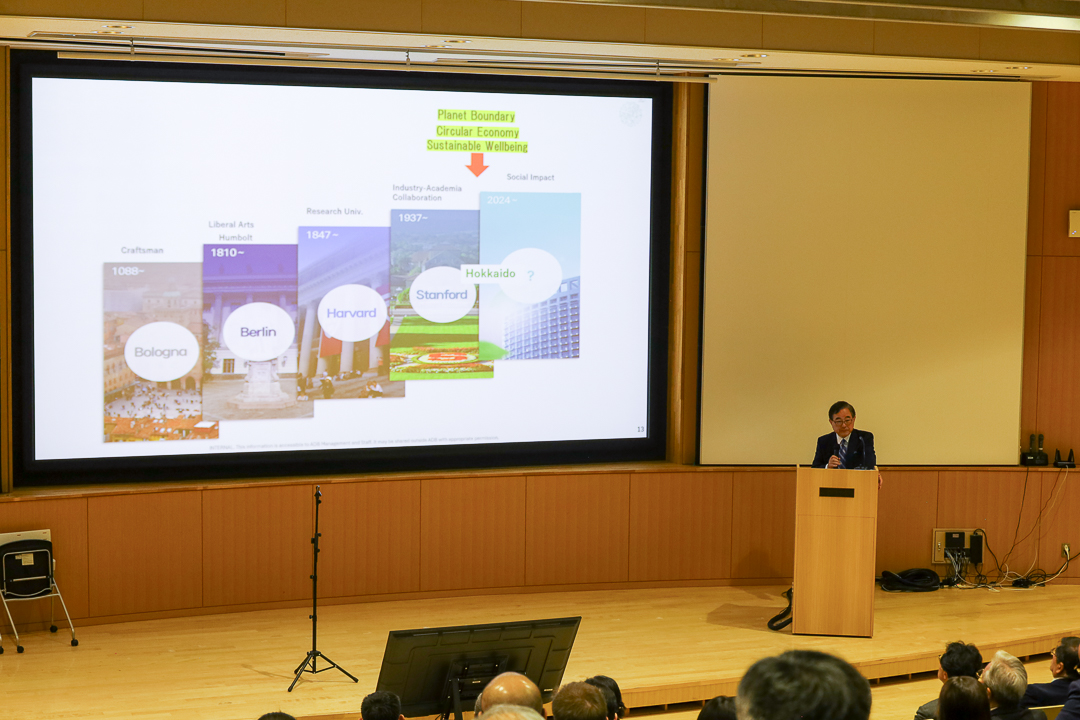
President Kiyohiro Houkin giving his keynote speech about Hokkaido University
The Hokkaido University Day continued with presentations and panel discussions on renewable energy, sustainable industries, and regional economic development. Two Hokkaido University professors also delivered presentations at the session. Professor Kazuei Ishii spoke about Hokkaido's future vision for renewable energy and environmental protection, while Professor Hiroyuki Kamiyama presented on industries and initiatives that can contribute to the sustainable development of regional communities and economies.
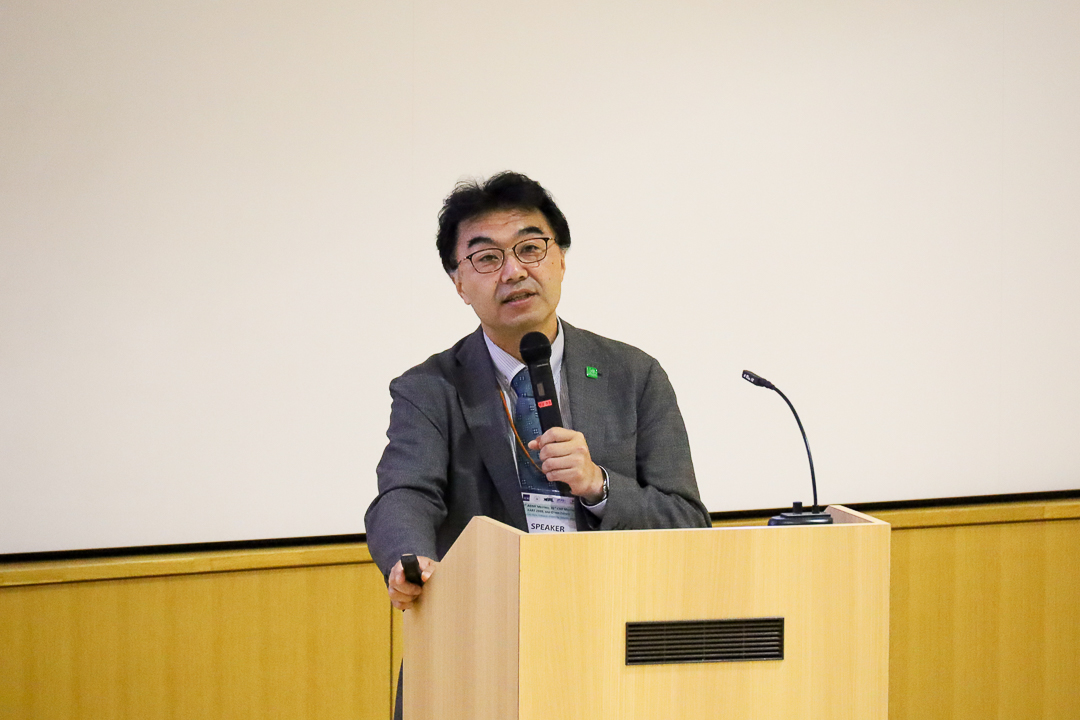
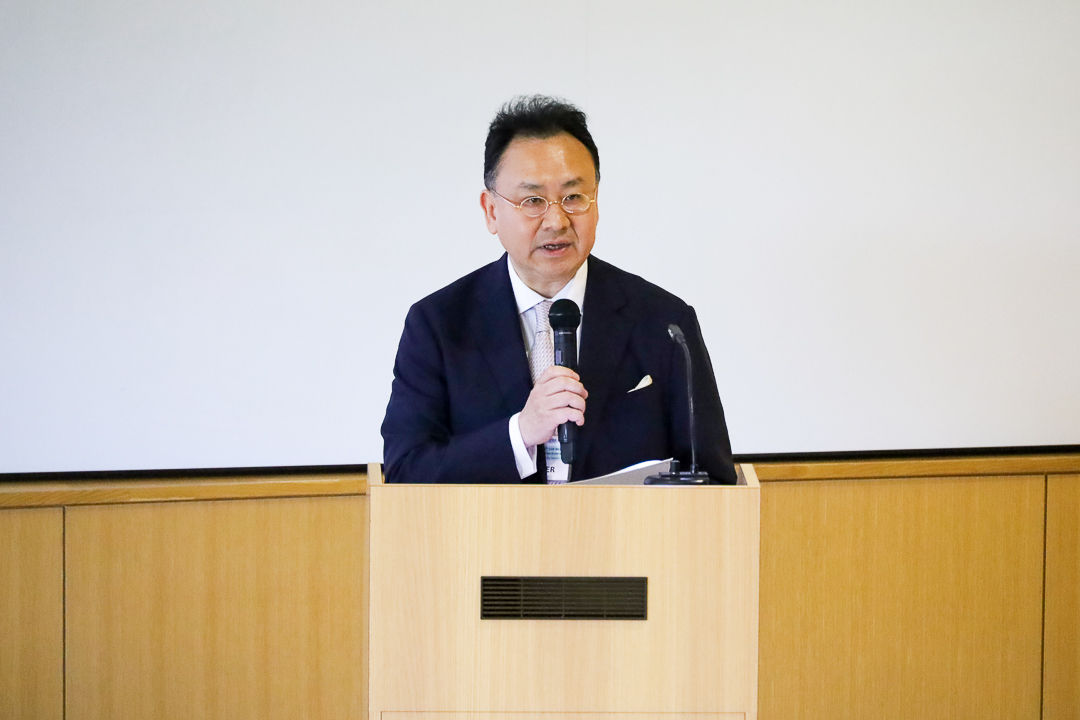
Left: Professor Kazuei Ishii / Right: Professor Hiroyuki Kamiyama
The forum also brought together speakers and participants from across Asia and beyond, including government officials, financial regulators, representatives of international organizations, universities, and private companies, who exchanged perspectives on building a sustainable future for Hokkaido.
One of the panel discussions explored the role of technology and innovation in creating sustainable industries in Hokkaido. The session featured PlanetSense as an example of a Hokkaido University startup while also introducing the initiatives of the University's Institute for Regenerative Agriculture, Forestry and Fisheries (IRAFF) in addressing food security and sustainability. The discussion also highlighted the importance of collaboration among researchers, startups, industry, and local communities in advancing the social implementation of research.
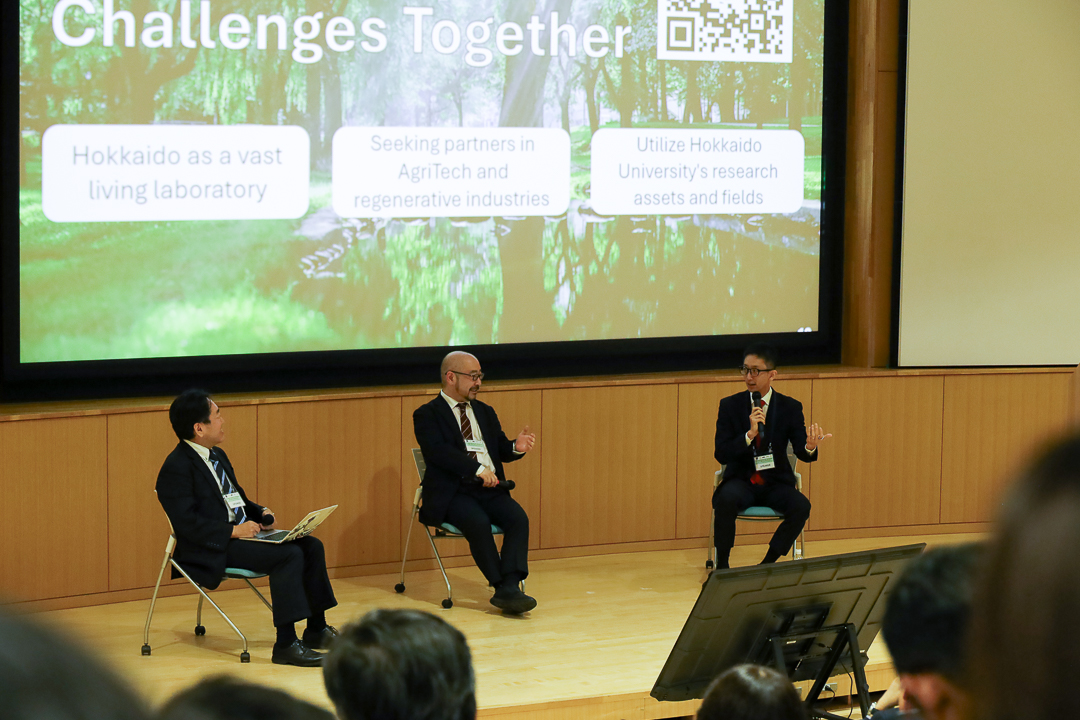
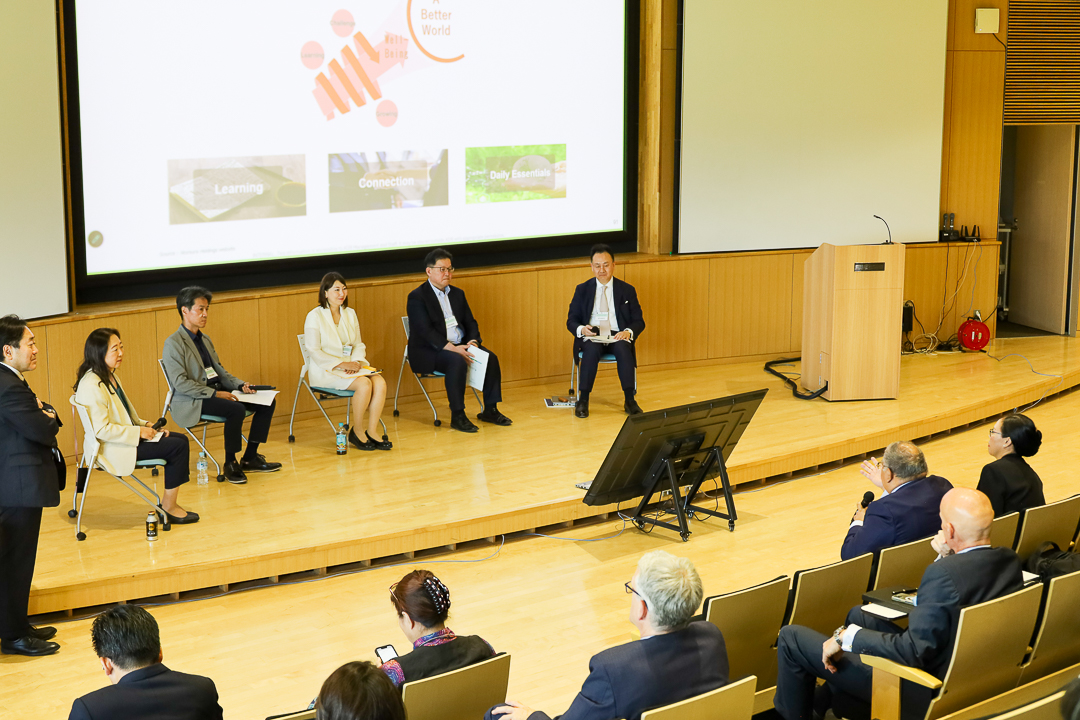
Panel discussions with representatives from the private sectors
By bringing together stakeholders from diverse sectors, the forum highlighted the importance of collaboration among research, industry, finance, and public policy in advancing sustainable regional development.
The five-day program continued with ABMF sub-forum sessions, the Asian Bond Markets Initiative (ABMI) Session, the 35th Cross-Border Settlement Infrastructure Forum (CSIF) Meeting, and the XBRL Asia Roundtable 2026. Building on the discussions initiated during Hokkaido University Day, these sessions further explored how finance can support sustainable development and regional growth from a variety of perspectives. Together, these discussions underscored the importance of collaboration among research institutions, industry, finance, and government, and laid the groundwork for future regional collaboration and joint initiatives across the ASEAN+3 region.
(Photos and text by Miriam Ilsa Arfani)


