
Senior Department of the Air Force leaders emphasized that warfighting readiness, modernization and investment in Airmen and Guardians remain central to maintaining deterrence and preparing for future conflict during a panel discussion at the Air and Space Forces Association's 2026 Warfare Symposium Feb. 24.
The panel, titled "Reinforcing Warfighting and Personnel Readiness," featured Under Secretary of the Air Force Matt Lohmeier; Deputy Chief of Space Operations for Operations Lt. Gen. Douglas Schiess; and Deputy Chief of Staff for Operations Lt. Gen. Case Cunningham.
The leaders discussed how the Air Force and Space Force are aligning resources, culture and operational priorities to ensure forces remain ready to fight tonight while building capabilities for tomorrow.
Lohmeier opened the discussion by stressing that every effort across the DAF must directly contribute to combat effectiveness.
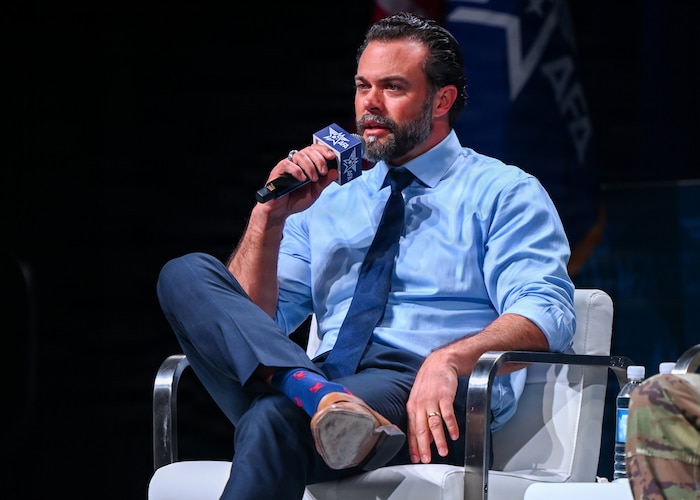
"Everything we are doing in the Department of the Air Force must be viewed through the lens of warfighting readiness and lethality," Lohmeier said, noting that modernization, readiness and people remain the department's enduring priorities.
Lohmeier said readiness and modernization should work together rather than compete for resources. Department leaders are restoring critical readiness funding, such as sustainment, maintenance and flying-hour programs, to keep forces prepared for current operations while developing future capabilities.
Lohmeier added that acquisition reform and closer collaboration with industry are helping accelerate capability delivery to warfighters by encouraging competition and enabling faster technological updates without restarting lengthy certification processes.
"We're incentivizing competition in ways we haven't before," Lohmeier said, describing efforts designed to deliver operational advantages more quickly to Airmen and Guardians.
Schiess highlighted the Space Force's role in achieving space superiority and enabling joint force operations, emphasizing that readiness in the space domain depends equally on technology, training and personnel development. Space superiority ensures U.S. forces can operate freely in space while denying adversaries the same advantage, Schiess said.
"We have to be able to do anything we want to in our domain, on our time frame, whenever our nation calls us," Schiess emphasized.
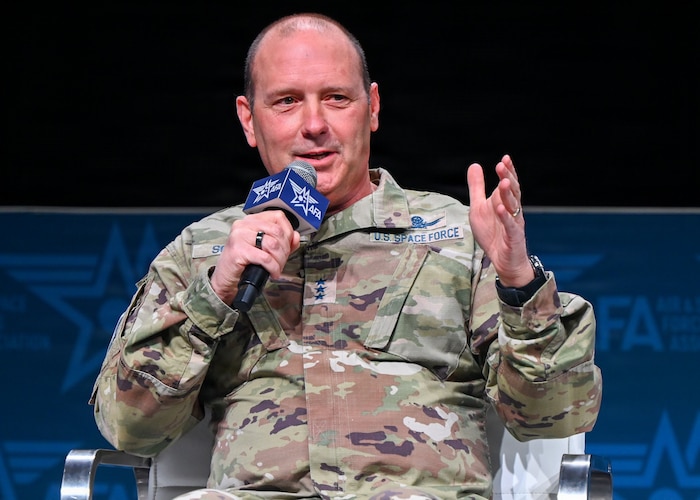
Schiess said the Space Force is evolving beyond legacy force generation models by implementing advanced training designed to prepare Guardians for contested environments. These efforts include expanded exercises and readiness cycles focused on high-end conflict scenarios rather than routine operations.
As mission demands grow, the service must expand its force structure, training pipelines and infrastructure while continuing close integration with Air Force partners, Schiess said.
"It's an incredible time to be a part of the Space Force," Schiess said, pointing to increased investment and new missions supporting joint operations.
Cunningham reinforced that readiness ultimately begins with people and leadership at the unit level, emphasizing the importance of empowering commanders and ensuring Airmen have the resources needed to succeed.
"Readiness is Airmen, by definition," Cunningham said, adding that leaders must clearly articulate risk, advocate for resources and maximize the capabilities available today across the Air Force.
Cunningham identified defending the homeland, deterring China and maintaining global responsiveness as guiding priorities shaping operational readiness decisions across the force.
Cunningham also highlighted modernization initiatives designed to connect today's operational force with emerging capabilities, ensuring new systems reach warfighters faster.
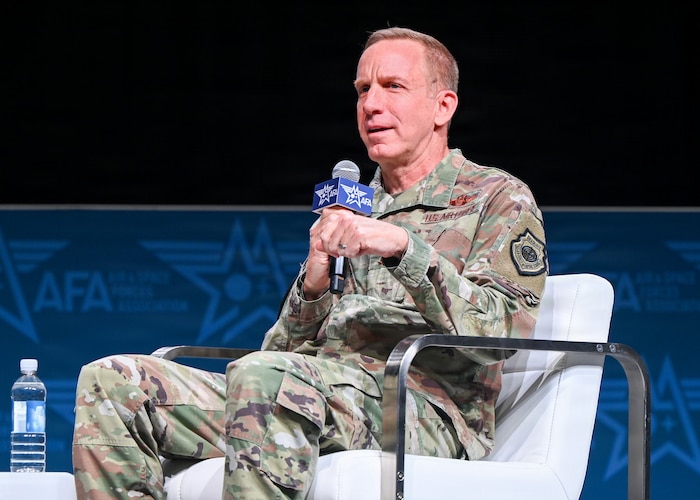
"The requirement for all of us to be as ready as we can be with the resources we have tonight will continue to be a drumbeat," Cunningham said.
Throughout the discussion, Lohmeier emphasized that culture and leadership remain foundational to sustaining readiness, noting that strong morale across the force reflects leaders who remain focused on mission execution and taking care of personnel.
"A mantra in and of itself is insufficient to change a culture," Lohmeier said. "You go beyond the mantra, and match word and deed, and you get the right leaders in the right places at the right time."
Closing the session, Lohmeier said the department is facing a pivotal moment marked by evolving threats and new opportunities to strengthen readiness alongside allies and partners.
"We've got once-in-a-generation opportunities to accelerate our progress," Lohmeier said.


