
From supply chain resilience to digital investment and sustainability, economies across the Asia-Pacific are using investment policy to recalibrate growth strategies in a more fragmented global economy.
Officials responsible for investment policy met in Guangzhou last week to examine how domestic and international investment frameworks are adapting to changes in trade patterns, production structures and investment flows.
The agenda reflected a growing emphasis on not only attracting capital, but also improving the quality, resilience and developmental impact of investment across the region.
Across APEC, economies are adjusting investment policy frameworks to support productivity, competitiveness and long-term development amid a more complex and uncertain global investment environment.
"In this context, the role of investment policy in supporting growth, competitiveness and long-term development has become increasingly central," said Mariana Pinto, Convenor of the Investment Experts Group, in a recorded message shared with participants at the meeting.
"Shifts in supply chains, the digitalization of economic activity and growing expectations around sustainability and resilience are influencing not only the direction, but also the quality of investment flows," she added.
Policy discussions focused on domestic investment policy design and implementation, including approaches to quality and sustainable investment, inclusive and responsible business conduct, investment policies for digital transformation and the use of investment screening mechanisms.
Economies also exchanged experiences on the effectiveness of investment incentives and evidence-based approaches to improving investment promotion outcomes.
A second track examined investment facilitation, promotion and institutional delivery, with economies sharing practical experiences on impact investing, foreign direct investment facilitation models, investment retention and aftercare policies, as well as the role of investment promotion agencies in upgrading and expanding existing investments.
Delegates also reviewed progress on implementing the updated Investment Facilitation Action Plan and explored capacity-building initiatives to strengthen policy delivery.
International investment policy and reform featured prominently, with discussions covering investment treaty reform, investor-state dispute settlement, dispute prevention and mitigation, and the evolving role of international organisations in supporting more predictable and coherent investment regimes.
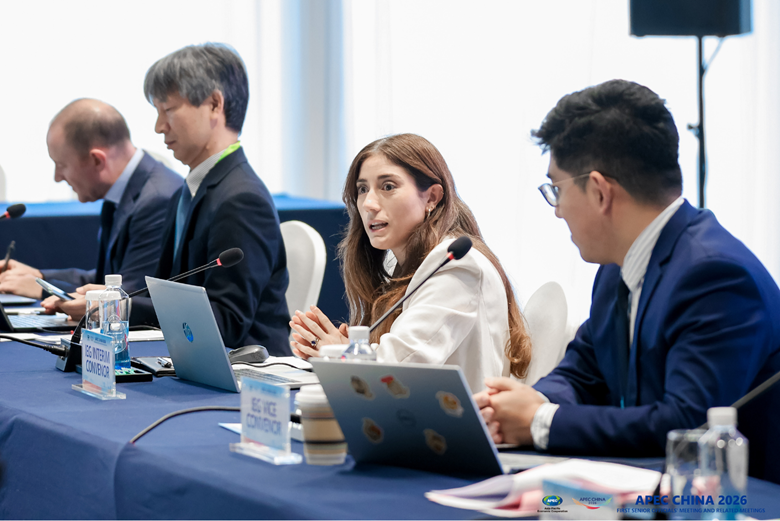
Reflecting on the discussions, Maite de Elorriaga, Interim Convenor of the Investment Experts' Group who led the meeting in Guangzhou, highlighted the substantive and constructive exchanges held over the two days.
She underscored the value of the dialogue among economies and with international organisations in identifying shared challenges, diverse approaches and practical policy lessons to support a forward-looking and resilient investment environment across the APEC region.


