
As Ethiopia accelerates the national rollout of its emerging Recognition of Prior Learning (RPL) system, the International Labour Organization (ILO), in collaboration with the Ministry of Labour and Skills (MoLS), has launched a four-day training for RPL assessors. The training forms a key step in operationalising the country's RPL Framework and Policy developed under the ILO Global Skills Programme (GSP) - Ethiopia component, supported by the Norwegian Agency for Development Cooperation (NoRAD).
The workshop brings together 35 practitioners from MoLS and regional assessment and certification bodies. Their role is central to the next phase of Ethiopia's RPL implementation, which will begin with pilot assessments in some selected priority occupations for economic growth and decent employment creation.

© ILO/Homa M. Ejeta
Strengthening national skills reforms
Ethiopia's commitment to expanding inclusive skills recognition is reflected in the country's recent TVT policy and strategy, which identifies RPL as a credible pathway for workers who have gained competencies through work experience, community learning, or self-learning. By certifying these skills, Ethiopia aims to improve employability, strengthen labour mobility, and reduce skills mismatches across sectors.
The assessor training directly supports this policy direction by building the technical capacity required for high-quality, reliable, and transparent RPL assessments.
Preparing practitioners for quality-assured implementation
Over four days, participants explored the structure and requirements of a quality RPL process, including evidence gathering, portfolio development, assessment tools and methods, assessment decision-making, assessment quality assurance mechanisms, and certification procedures. Sessions also clarified the roles of employers, applicants, assessors, government, and regulatory bodies in ensuring a fair, valid and credible recognition system.
The training equipped assessors with standardised tools to ensure fair and credible recognition of skills. Practical exercises helped participants apply the national RPL procedures to real assessment scenarios.
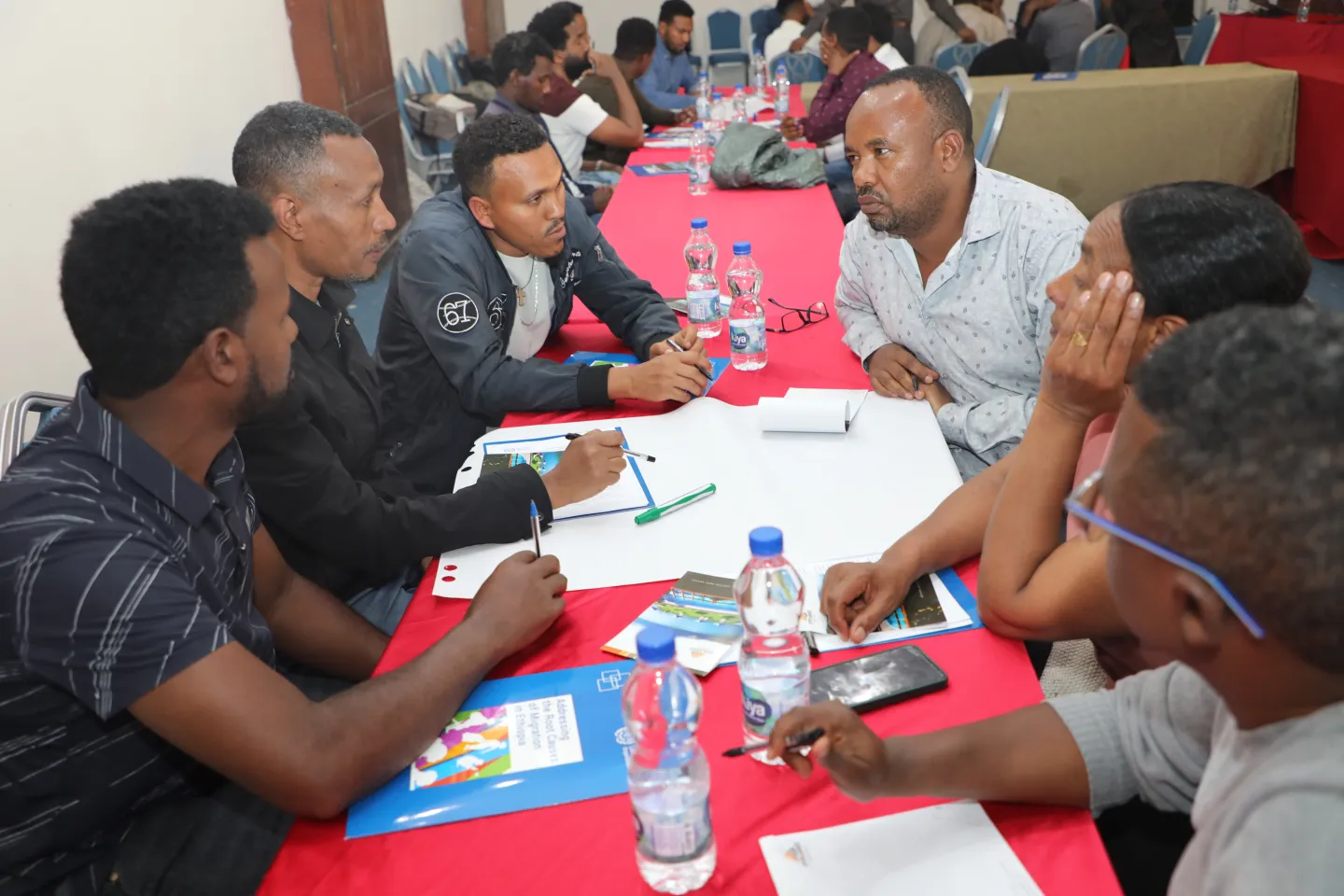
© ILO/Homa M. Ejeta
Expanding opportunities for skilled and competent but unqualified workers
Many workers across Ethiopia continue to face unemployment, lower wages, and reduced confidence because their skills remain unrecognised. According to Dr. Genet Haileyesus, Team Leader at The Addis Ababa Education and Training Quality Regulatory Authority, RPL provides a direct response to these barriers.
"Workers without skills recognition struggle with unemployment, lower wages, and lack of confidence. RPL will help address these issues. As an assessor, the new skills I gained here will help me recognise skilful workers, increasing their employment chances and ultimately helping reduce poverty," she noted.
Another participant, Solomon Sisay, an assessor from Addis Ababa, highlighted the importance of RPL for workers who have built expertise outside formal training systems.
"This training helped us understand RPL and how we can better serve unrecognised professionals. Assessing and recognising their skills opens doors to more economic opportunities and boosts their confidence in exercising their skills," he said.

© ILO/Homa M. Ejeta
Laying the foundation for a national RPL system
The training in Bishoftu marks another milestone in Ethiopia's journey toward an inclusive and market-driven skills ecosystem. By investing in assessor capacity and piloting RPL in key occupations, Ethiopia is building the infrastructure needed for a sustainable, nationwide system that recognises learning in all its forms.
The workshop runs until 12 December 2025, with continued collaboration between the ILO, MoLS, and regional partners to support the next steps of the RPL rollout.
About ILO's Global Skills Programme:
ILO's Global Skills Programme supports countries in building inclusive, demand-driven skills systems. It promotes lifelong learning to help individuals adapt to evolving labor markets. The programme emphasizes social dialogue, equitable access, and quality assurance in skills development. It aligns with the 2030 Agenda for Sustainable Development, aiming to enhance employability and productivity worldwide. The Global Skills Programme is funded by Norway, NoRAD (Norwegian Agency for Development Cooperation).


