
Talking to journalists earlier this week on his final day as the first UN Global Advocate for Persons with Disabilities in Conflict and Peacebuilding Situations, Giles Duley said he felt he had failed in his core mission. More importantly, he added, the system itself has failed.
At UN Headquarters in New York, where we met the world-renowned British photographer, writer, chef and NGO founder, staff stopped him after the press conference to thank him for his honesty and for elevating stories too often overlooked.
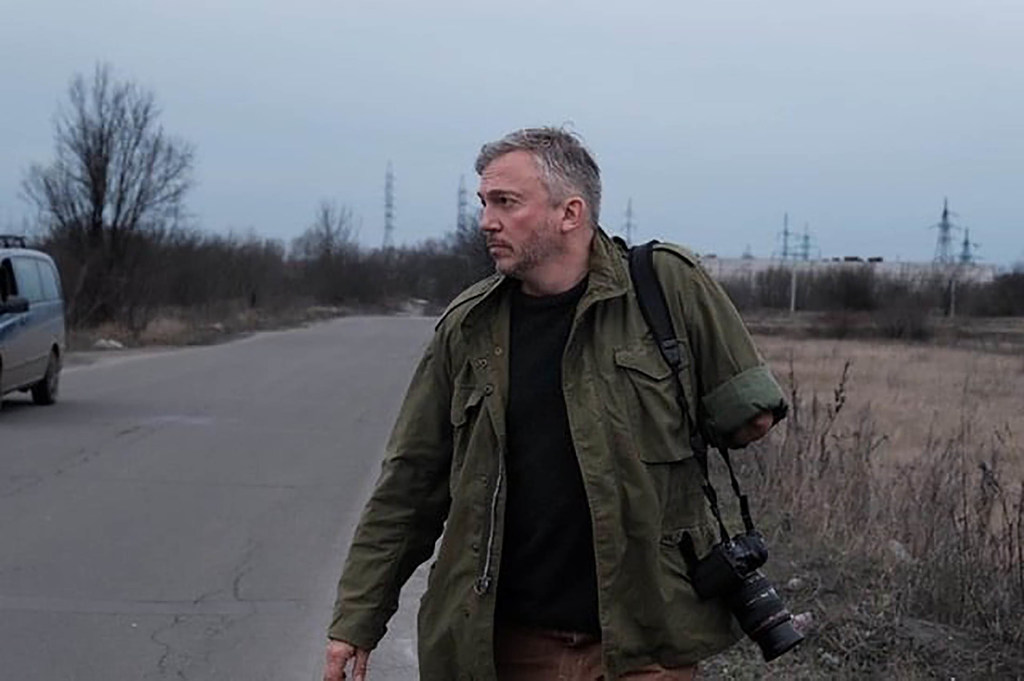
"The process to really truly support people with disabilities in conflict and peacebuilding situations has not even begun," he told UN News. "Every day of my life I am out on the frontlines - in war zones and humanitarian crises - and I see people living in terrible situations in homemade tents. I see people unable to access toilets. I see people unable to escape bombardments. I see people trapped in their homes, having to use baths as shelters because they can't get into underground shelters."
As Global Advocate , he said, his mission was to honour the responsibility entrusted to him those whose lives he has documented for decades. "When I photograph somebody in a war zone… they always say to me: share this story with the leaders. But the opportunities to do so were never fully realised."
'I wanted to be inspired - not to inspire others'
"I did not expect in my three years here for everything to change. What I hoped for was for people to listen - and that's where I feel I failed, and that's where I feel the system failed," he said.
"Too often when I was invited to talk, all people wanted me to do was tell my story. I was asked to inspire people."
Giles Duley began his career as a music photographer, shooting artists including Mariah Carey, Oasis and Lenny Kravitz. In 2000, his image of Marilyn Manson was listed among the 100 greatest rock photographs of all time. But he later shifted to documentary work. In 2011, while working in Afghanistan, he was severely injured by an IED, losing both legs and an arm. By 2012, he had returned to work.
"I shouldn't be here to inspire others," he said. "I want to be inspired by able-bodied people making the effort to truly impact the lives of those living with disability - to truly help them break down the barriers that create change."
Too often, he warned, people with disabilities are included symbolically, not substantively. "I have been to many conferences where on stage there will be somebody who is a landmine victim or a survivor of sexual violence… and again and again it's performative. Everybody clapping, everybody saying 'I'm really inspired'… but how often do those people then get involved in the conversation about true policy change?"
This week, Mr. Duley helped open Forward, NOT Fragmented , a UN exhibition on survivors, deminers and communities affected by explosive ordnance. Several of his photographs are now on display at Headquarters. He shared the stories behind a few of them.
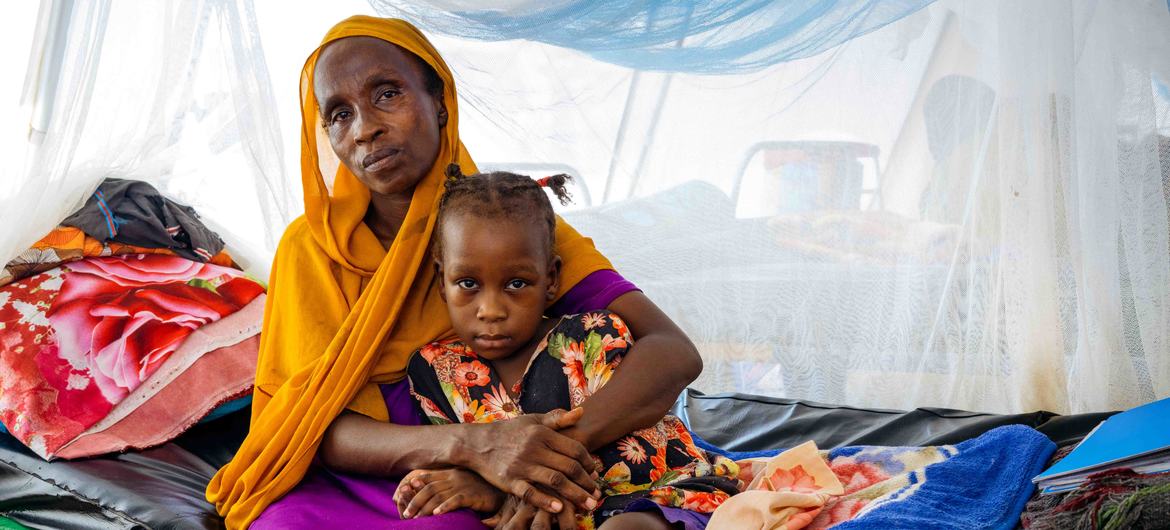
Chad: crawling to safety
One photograph shows a woman called Nawali, a teacher and activist from a village near the Sudan-Chad border. Disabled by polio as a child, she had built a fiercely independent life. But when her village was attacked, "they smashed her wheelchair, and she literally had to crawl to safety in Chad."
When Mr. Duley met her in a displacement camp, she was immobile and living in a tent. The woman who had once led a full professional life now had to crawl to the toilets - degrading and dangerous, with risks of assault.
"No agency had provided that wheelchair," he said. Staff told him she was not registered because "there were no experts to decide who had disabilities." He added dryly: "Possibly somebody dragging themselves by their hands past them maybe didn't need an expert."
Ukraine: 'We've been feeding her sweets'
In eastern Ukraine, he photographed Julia, a young woman with severe cerebral palsy. Early in the full-scale invasion, her parents were detained. Her mother repeatedly pleaded to be released, knowing her daughter could not feed herself.
When the mother finally returned home, soldiers "smiled sarcastically and said: 'Don't worry. We've been looking after her. We've been feeding her sweets.'"
Inside, she found Julia naked on the bed, covered in sweet wrappers. "Her teeth have fallen out. Her hair has fallen out… the stress has made her physically sick," Mr. Duley said. "This is the reality for people living with disabilities in conflict situations."
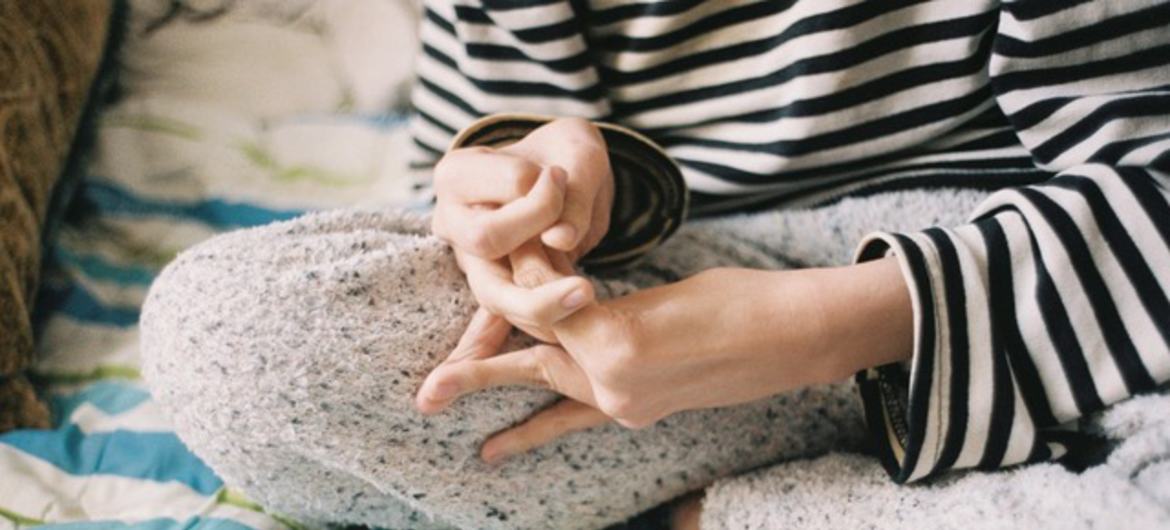
Gaza: A life interrupted
He also spoke of Amro, a boy from Gaza who lost his leg after being shot by a sniper during the 2018-19 border protests. More than 200 Palestinians were killed during the weekly demonstrations.
After surgery and a difficult evacuation, Amro remained inside his family's apartment for two years. "He didn't want to go outside… because he felt people would judge him," Mr. Duley recalled. "He had been forgotten."
Mr. Duley visited often, cooking with the boy and eventually persuading him to go for coffee along the beach. "Sometimes it's these very small gestures of kindness and time that can change someone's life."
After the 7 October Hamas-led attacks in southern Israel and the subsequent Gaza offensive, he heard from the family one last time: How can we escape? "I don't know what happened to that family," he said quietly.
'Stop seeing the disability first'
Despite decades of advocacy, Mr. Duley said, systemic inaction persists because of stigma and discomfort. After his own injury, "people often wouldn't even speak to me… A taxi driver might turn up and ask the person behind me where I want to go."
He has urged media and communications professionals to rethink how they portray disability. "Whenever they interview me, the first thing they want to talk about is what happened to me over 10 years ago. I would not in any other situation ask somebody about their worst experience from a decade ago… I want people to talk about my work."
People with disabilities, he said, often feel pressure to appear endlessly resilient. In humanitarian zones, he was frequently handed "injury lists" to guide his photography. "Before the person's name, often it would have a list… they're an amputee, they have a facial injury… I would rip that sheet up.
"Tell me about the family you meet that always makes you laugh. Tell me about the family that is always feeding you so much that you can't leave. Tell me about the family that keeps you awake at night. That list will be completely different to the original list."
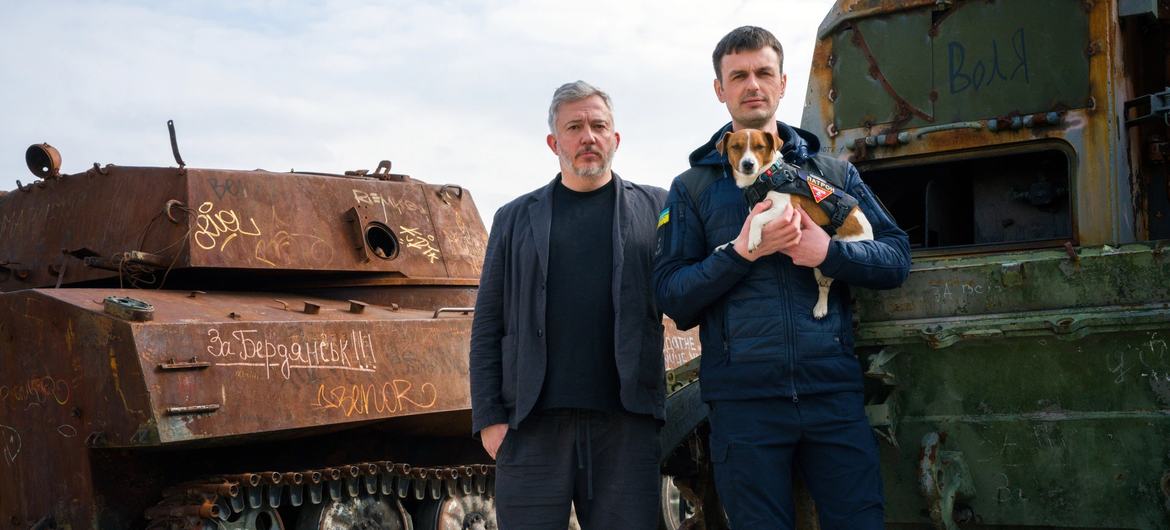
Forgotten in crisis
He emphasised that disability is not a monolithic experience. People with mental health conditions and invisible disabilities face distinct risks. And wheelchair accessibility, though vital, is only one part of true inclusion.
Women with disabilities, he said, face "greater challenges as, sadly, women do in most aspects of life": limited access to toilets, increased stigmatisation. Mothers caring for children with disabilities may not be able to leave home to access aid.
My dream is simply that everybody has the same opportunity that I had
"In crisis, in war, in humanitarian disaster, those people become more vulnerable and often more forgotten," he said. "It's simply about understanding their needs - that will enable them to have the same rights."
Equal opportunities
His final message to world leaders draws on his own recovery. "I had amazing support… and I now live the life I could dream of. I travel, I do the work I'm passionate about, I live independently," he said. But that, he insisted, "should be the right of everybody with disability: we just need to be seen as somebody that needs a different set of support to enable self-empowerment.
"My dream is simply that everybody has the same opportunity that I had."
He recalled returning to Afghanistan after his injury, where he photographed a seven-year-old boy who had stepped on a landmine. "I remember looking at him and thinking: why should a boy on his way to school have to go through what I go through every day of my life?
"If my work means that one child…has the opportunities to live in peace or to rebuild their life after war, my life will have meant something."


