With only six months left on his Australian visa, James Unsworth boarded a Greyhound bus and headed south, not knowing the journey would shape the next decade of his life.
The UK-born explorer had found himself in Australia after completing a Bachelor of Geography and Ocean Science at the University of Plymouth.
"I came up to Airlie Beach for what was supposed to be a couple of nights. And then nine years later, I'm still here." James said.
Like many travellers, James was finding his groove.
"At the time, I was travelling and sort of seeing where the wind took me.
"I was trying a few boats out, but nothing quite clicked… And then I got a call from Ocean Rafting, and they said they'd love to get me in for a trial the next day. Meanwhile, I'm sat in Cairns.
"That afternoon I got on the overnight Greyhound into Airlie, had a shower in the lagoon and went to work for my trial shift."
James boarded a yellow inflatable fast boat bound for the stunning seascapes of the Whitsunday coast with ecotourism certified company, Ocean Rafting. After his first adrenaline-filled day, he was hooked.
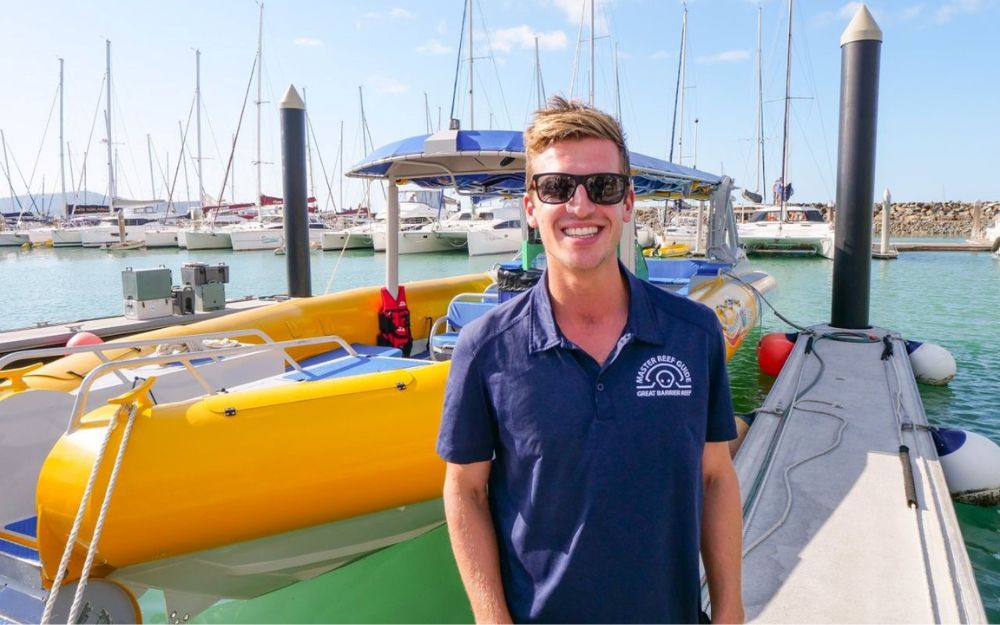
"You do your first trip out and you're having your lunch break on Whitehaven Beach and you're taking people around the Great Barrier Reef on a snorkel tour. This is my day one at work. Like, this is crazy!
"It was never my plan to be a tour guide, but I think my passion I had for the ocean just led me through the career I've had."
That passion carried James through eight years on the Reef, guiding visitors through stunning coral gardens in sparkling turquoise waters and introducing them to a world many had never seen before.
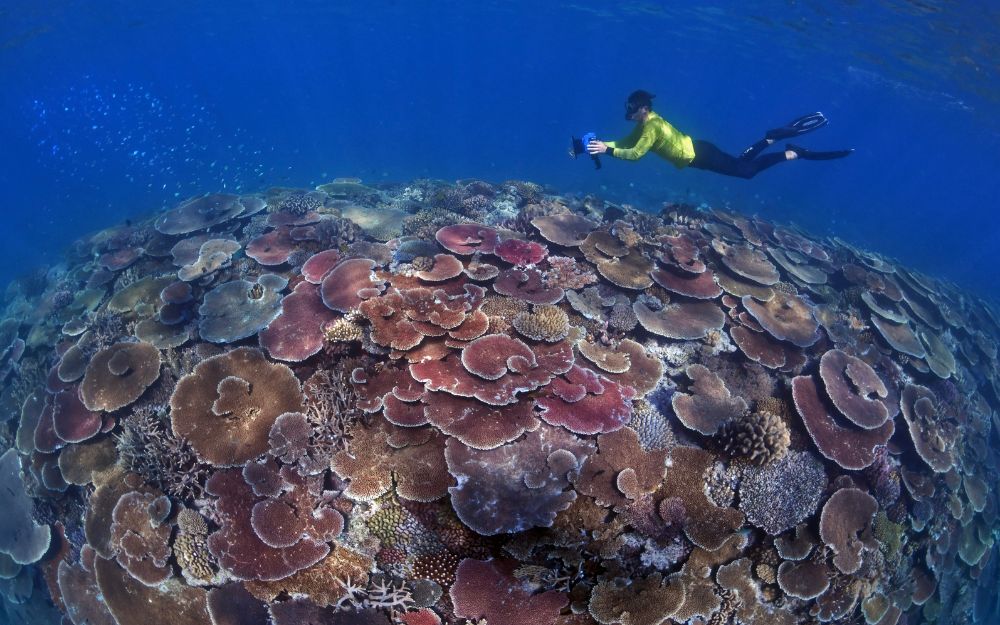
"One of the really special parts of tourism is knowing you've potentially made a lasting impression on someone - I think that's really cool.
"You can actually see that moment where it blows their mind - that never got old."
Before long, James was selected to become a Master Reef Guide, a program that recognises experienced communicators within the tourism industry.
"Master Reef Guides are there to be the frontline messengers inspiring people to do a little bit more for the Reef and connecting them with their environment."
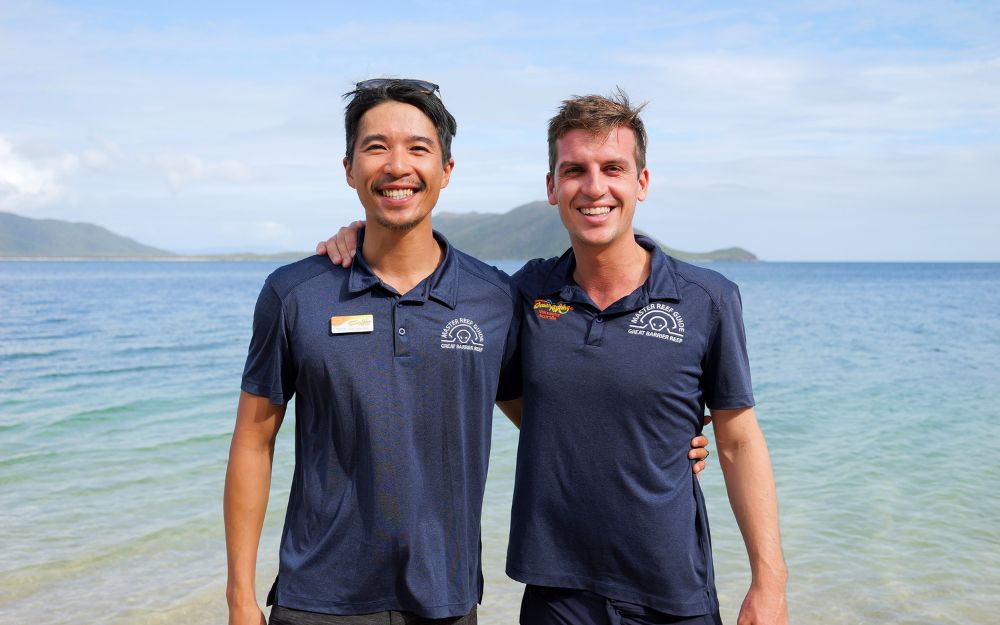
The role opened new doors and deepened his involvement in the environmental side of the tourism industry.
"I had a lot of opportunities from being a Master Reef Guide, and it certainly shaped my role at Ocean Rafting into the environmental manager role, which led to running the Tourism Reef Protection Initiative, and the development of Reef Seeker."
When COVID-19 slowed tourism across the globe, the sudden pause gave James time to reflect on what else could be done.
With fewer visitors travelling to the Reef, he turned his attention to education.
With extra time on his hands, he developed Reef Seeker, a program that brings education and tourism together by giving school children the chance to become citizen scientists, learning how Reef monitoring works and using Reef Authority survey methods.
"Reef Seeker uses Eye on the Reef rapid monitoring to get kids out collecting data which actually comes back to the Reef Authority.
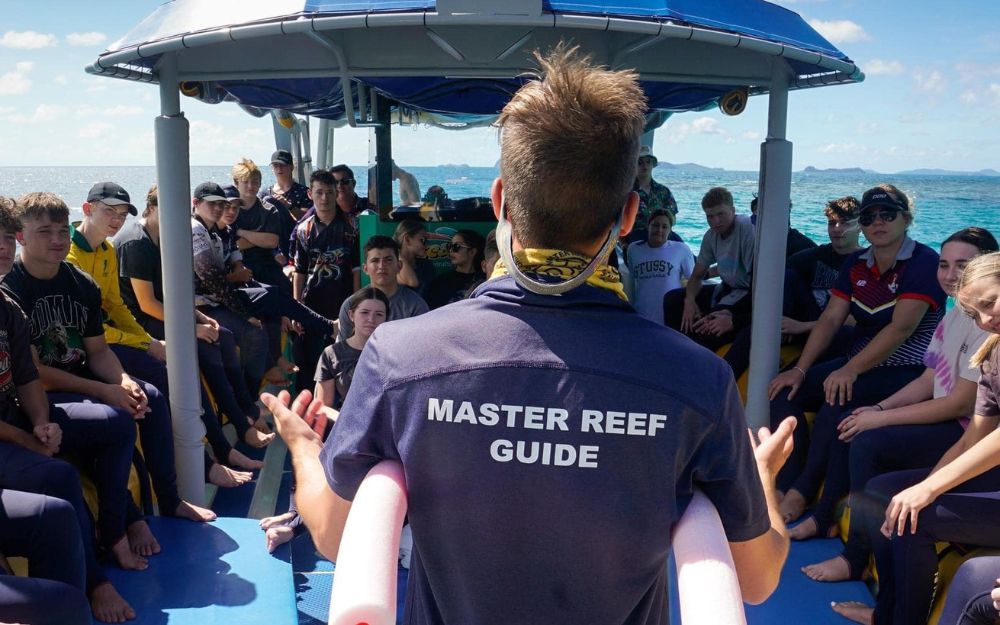
"So, the idea is you get them out on the Reef and it's a focused session in the water. They have slates which show the critters they're looking for, and what those species mean for the Reef.
"It connects them to the Reef in a more meaningful way."
Recognising the impact of connection and collaboration, James soon turned his attention to his next pursuit.
"When thinking about what I wanted to do long term, I thought well I really want to protect this place.
"I've built my life around it, built a home around it. And to me, there was no better place to be able to have some influence than the Reef Authority."
James now works for the Reef Authority as a Project Manager, where he uses his first-hand industry experience to help tourism operators deliver meaningful conservation actions across the Great Barrier Reef.
"I run the Site Stewardship program, which is a framework designed to guide the tourism industry towards world-leading reef practices at their primary site - the site they showcase to guests.
"Through the program, we develop detailed plans, which is a process of deepening the operators understanding of their site and informing targeted stewardship actions such as monitoring and predation control to help manage these high value locations.
"It's about making sure operators have a positive impact on the Reef."
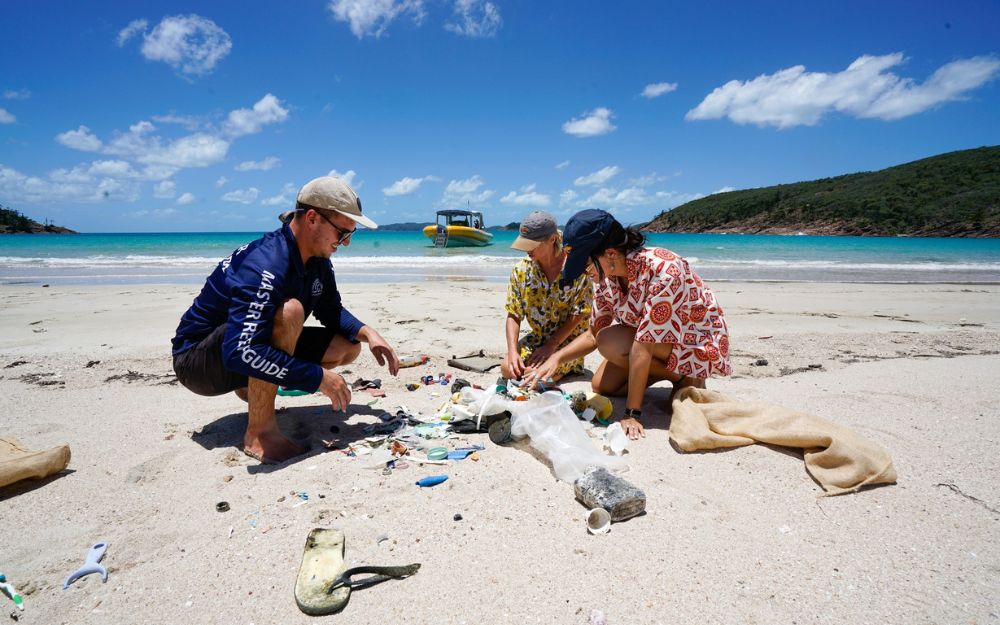
For James, tourism and conservation are closely linked.
"Tourism previously has perhaps had this impression that it has a negative impact on the Reef, and I completely disagree with that.
"Tourism plays a really important role in educating the average person about what's happening on the Reef, and more importantly it builds a connection with the Reef.
"By building that connection, people want to protect the Great Barrier Reef."
Nearly a decade after stepping off that overnight bus, the Reef is no longer just a place he visited in his travels.
It is where he built a life, and where he now works to ensure others can experience the same sense of wonder that first brought him back.