
3 min read
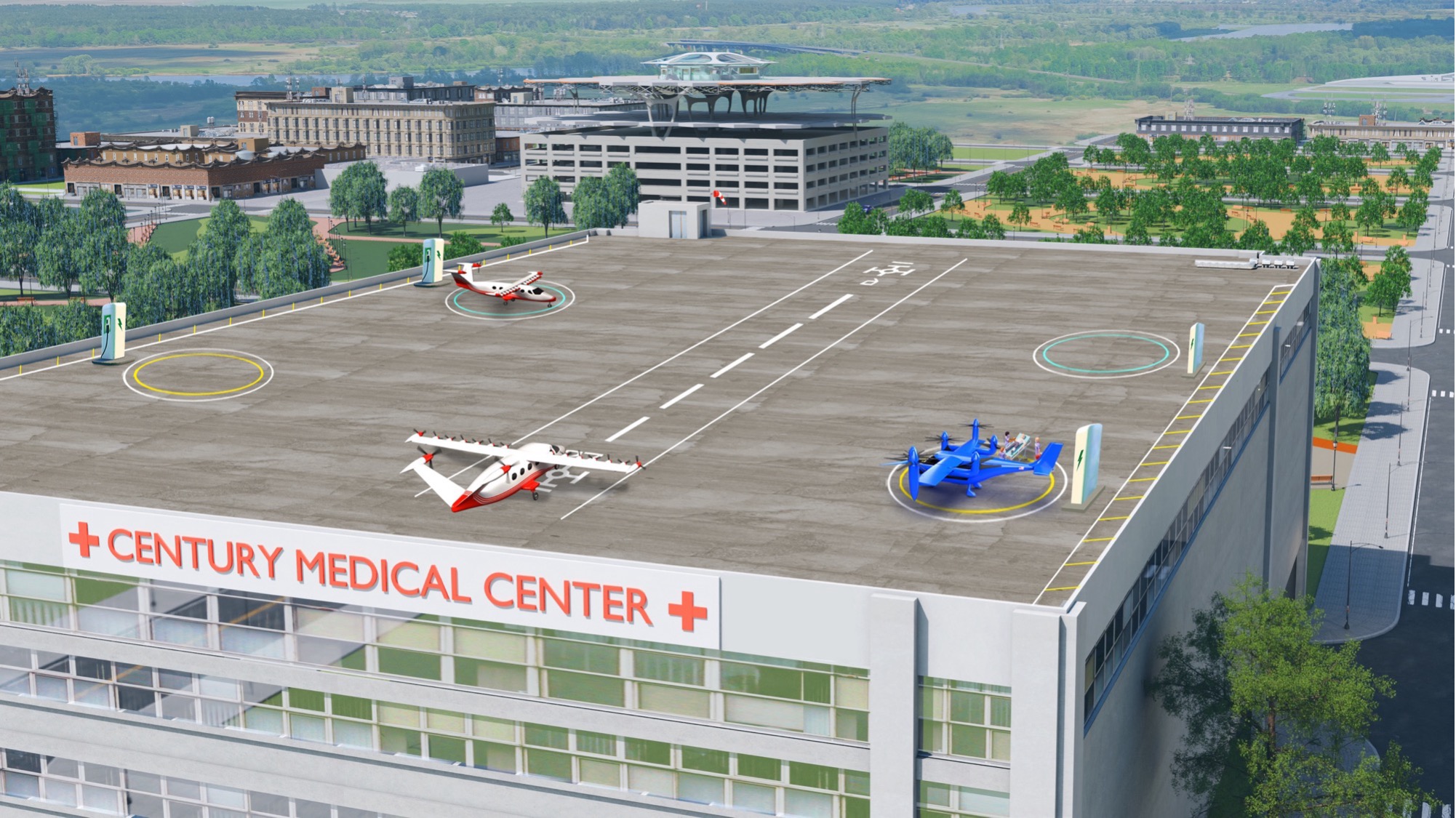
New kinds of aircraft taking to the skies could mean unfamiliar sounds overhead - and where you're hearing them might matter, according to new NASA research.
NASA aeronautics has worked for years to enable new air transportation options for people and goods, and to find ways to make sure they can be safely and effectively integrated into U.S. communities. That's why the agency continues to study how people respond to aircraft noise.
In this case, NASA's work focused on air taxis, shorthand for a variety of aircraft intended to carry people short distances for everything from personal travel to medical treatment. Researchers investigated whether residents in loud cities would respond differently to air taxi sounds than those in quieter suburban settings.
From late August through September 2025, 359 participants in the Los Angeles, New York City, and Dallas-Fort Worth areas took part in NASA's Varied Advanced Air Mobility Noise and Geographic Area Response Difference (VANGARD) test.
Researchers played 67 unique sounds simulating aircraft, including NASA-owned industry concept designs. To ensure unbiased feedback, the research team withheld aircraft manufacturer names. Participants were also not shown images of the aircraft they were hearing.
Initial results reveal that residents living in noisy areas reported being more bothered by the air taxi sounds than those in quieter areas. The VANGARD team members are currently analyzing the data to better understand these findings, but so far, they're hypothesizing that people in loud environments may simply be more sensitive to additional noise.
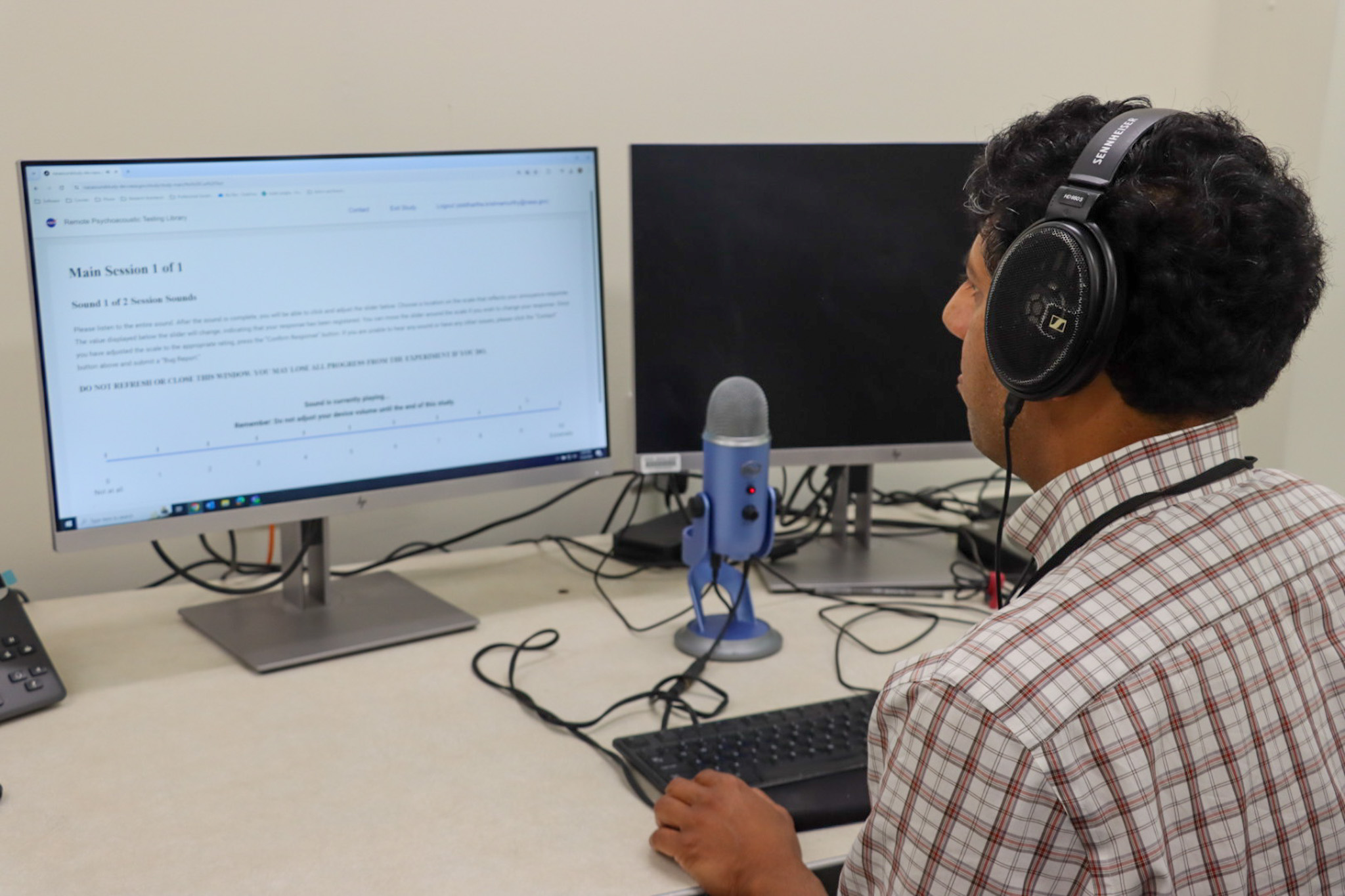
"With air taxis coming soon, we need to understand how people will react to a variety of future aircraft sounds," said Sidd Krishnamurthy, lead researcher at NASA's Langley Research Center in Hampton, Virginia. "This test filled a critical gap, and its results will improve how we predict human reactions to noise, guiding the design and operation of future aircraft."
During the study, participants listened to individual aircraft flyover sounds and rated their annoyance levels. The participants also provided their zip codes, allowing the researchers to sort their locations into high and low background noise levels. "We wanted to know if people in low or high background noise zones would be more annoyed by the air taxi sounds, and to what extent, even without their usual background sounds present during the test," Krishnamurthy said.
Most participants listened from their home locations, with their own audio devices. But to complement that testing, a control group of 20 people listened in-person at NASA Langley in June, using tablets and headphones with fixed audio settings.
Results showed that the control group responded similarly to those who tested from home.
Many factors influence how humans respond to aircraft noise. This study was not designed to answer every question - for example, it did not look at the potential effects of high background noise masking air taxi noise - but it provided the VANGARD team with initial insights.
The results from this study, and any follow-on efforts, will guide the design and operation of future advanced air mobility aircraft to help designers and regulators determine how and where these aircraft may fly.
This research was led under the Revolutionary Vertical Lift Technology project and contributes to NASA's advanced air mobility research. The project falls under the Advanced Air Vehicles Program within NASA's Aeronautics Research Mission Directorate.


