
Armenia might be small in size, but its culture and history are anything but.
The South Caucasus nation has a fascinating and ancient story, with its own language and even a unique alphabet that was created more than 1600 years ago.
Armenia's music, dance, art and storytelling have been carried across generations and across the Armenian diaspora.
Here in South Australia, some members of the diaspora came directly from Armenia, while others come from families that lived for generations in different parts of the world. Some have also moved through several countries before making Australia home.
Their migration stories are different, but they share a connection to Armenian culture, heritage and iden
 tity.
tity.
In 2025 the Armenian community marked 60 years of cultural life in South Australia.
The Armenian Cultural Association has helped keep Armenian culture visible across those decades, the association's president and public officer Elena Gasparyan said.
"Our work goes beyond the festival performance," Ms Gasparyan said.
"We teach Armenian dance and miniature painting in watercolour, organise cultural celebrations, and bring Armenian film and music to Adelaide audiences.
"These activities allow us to pass on our history and culture while sharing them with the wider South Australian community."
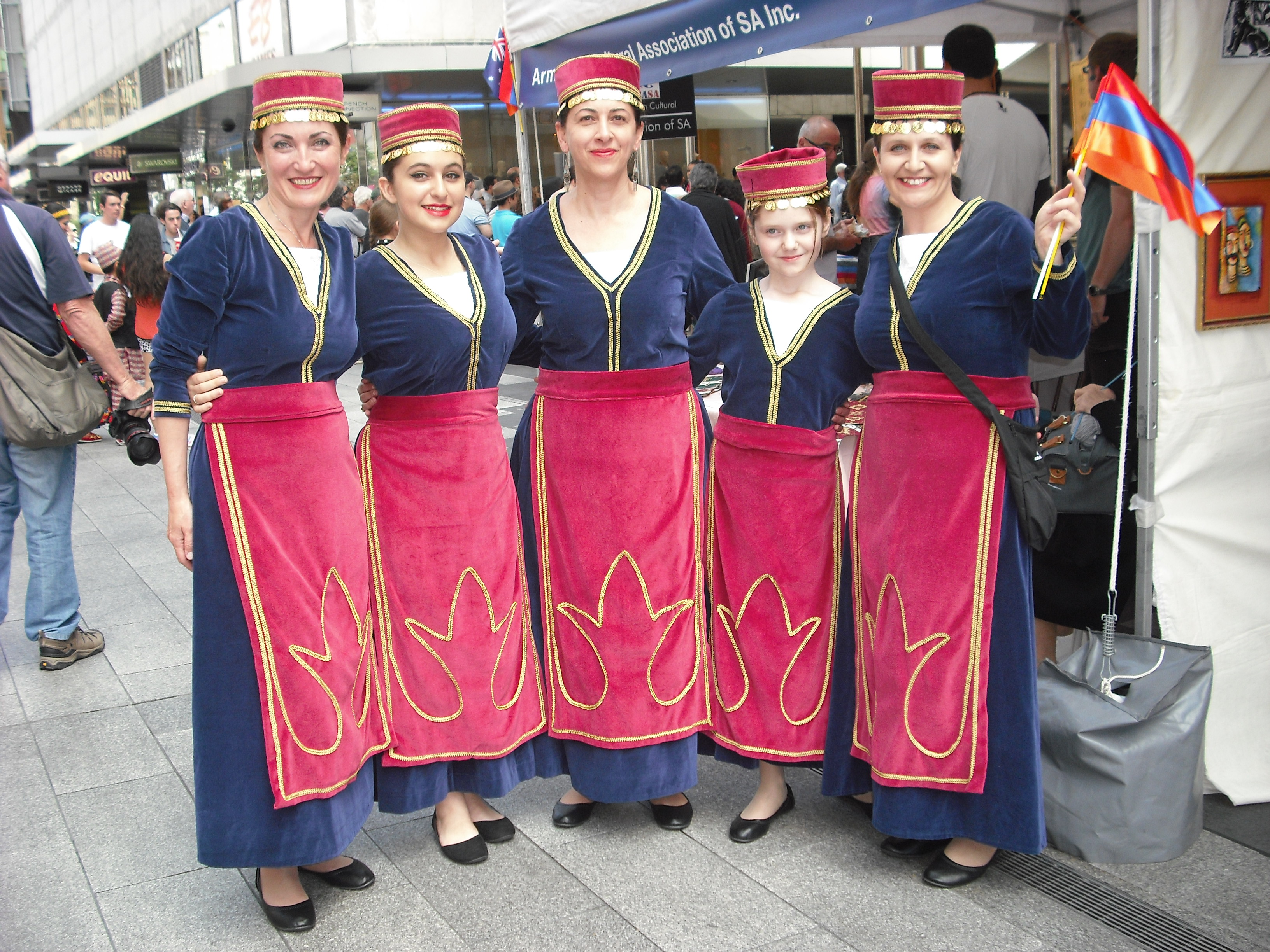
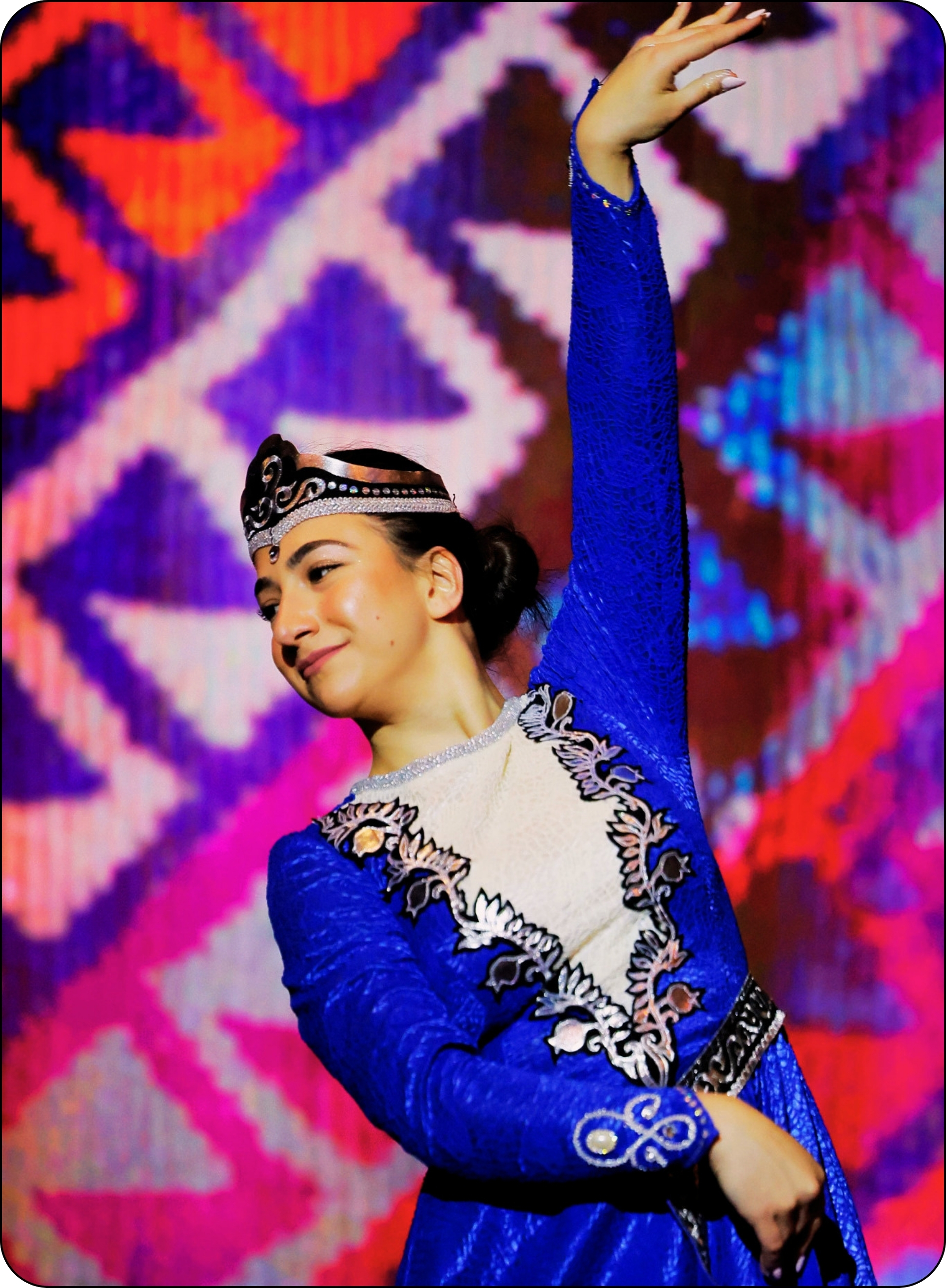
At this year's Multicultural Festival the Armenian dance group will perform three traditional dances: Lorke, Nazanq and Papuri.
Lorke is joyful and associated with weddings and celebrations, Nazanq is a graceful women's dance and Papuri is a group dance expressing strength and unity.
The performers include children and adults wearing traditional costumes made in Australia and incorporating decorative pieces brought from Armenia.
The dance group began in 2014 as part of a theatre production and has continued performing at events across South Australia.
"Our story is both Armenian and South Australian," Ms Gasparyan said.
"We want younger generations to know the language, art and traditions of Armenia, and we want other South Australians to have the chance to experience them. The festival gives us a place to share that part of who we are."
Armenian Cultural Association secretary and dance teacher Anna Amirkhanyan said that the group had many wonderful memories from previous Multicultural Festivals.
"It is a special celebration where people can experience cultural expressions from around the world through music, dance, food and crafts, all in one day," she said.
"The preparation is also a special part of the experience, bringing months of joy and laughter as we practise together and create our costumes. These are moments that stay with us for years.
"We look forward to bringing the energy and joy of our traditional dances to the South Australian audience and meeting our friends from other communities along the way.
"For us, this year is especially meaningful, as we will be sharing the stage with the younger generation. There is a special feeling of pride in standing on a stage in the heart of South Australia, representing Armenia and introducing others to our heritage."
For more information on this year's Multicultural Festival visit the event's website (external site) .


