
A remote island in the southern Great Barrier Reef Marine Park that supports thousands of seabirds and nesting turtles has been declared rat-free following an intensive eradication effort.
North West Island, located about 75 kilometres north-east of Gladstone and part of Capricornia Cays National Park, is one of the most important seabird and turtle rookeries in the Great Barrier Reef World Heritage Area.
The invasive black rats were first detected on the 120-hectare island in November 2022 after campground hosts alerted the Reef Authority's field management partner Queensland Parks and Wildlife Service (QPWS).
Remote cameras and Black Trakka ink monitoring stations deployed by rangers later confirmed the rats had spread across the island.
QPWS Senior Ranger Damon Shearer said invasive rodents pose a serious threat on remote islands.
"Rats on an island can go from two rats to 1,000 rats within a year," he said.
"They build up in big numbers very quickly because they have no predators out there."
Black rats are omnivorous and can prey on seabirds, their eggs and chicks, as well as turtle eggs and hatchlings. They also damage vegetation by feeding on plants and seeds, disrupting the island's sensitive ecosystem.
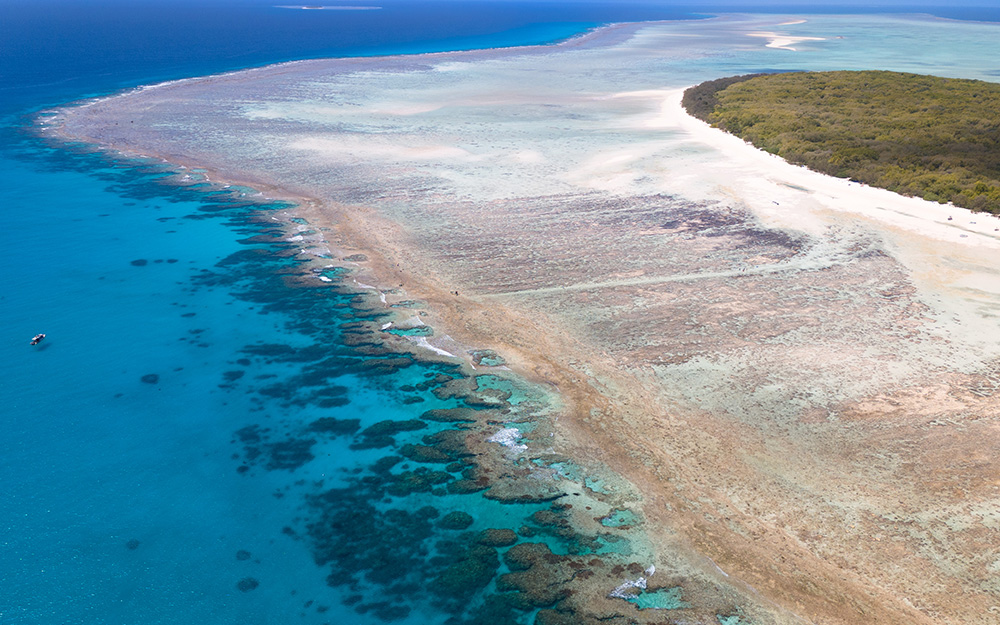
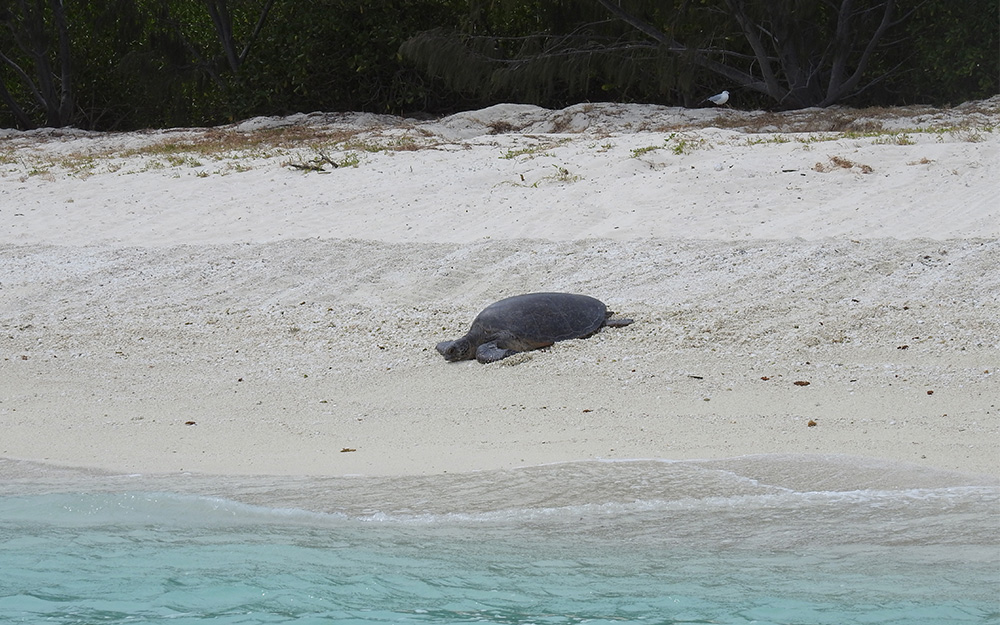
North West Island in the southern Great Barrier Reef Marine Park is an important nesting site for seabirds and turtles.
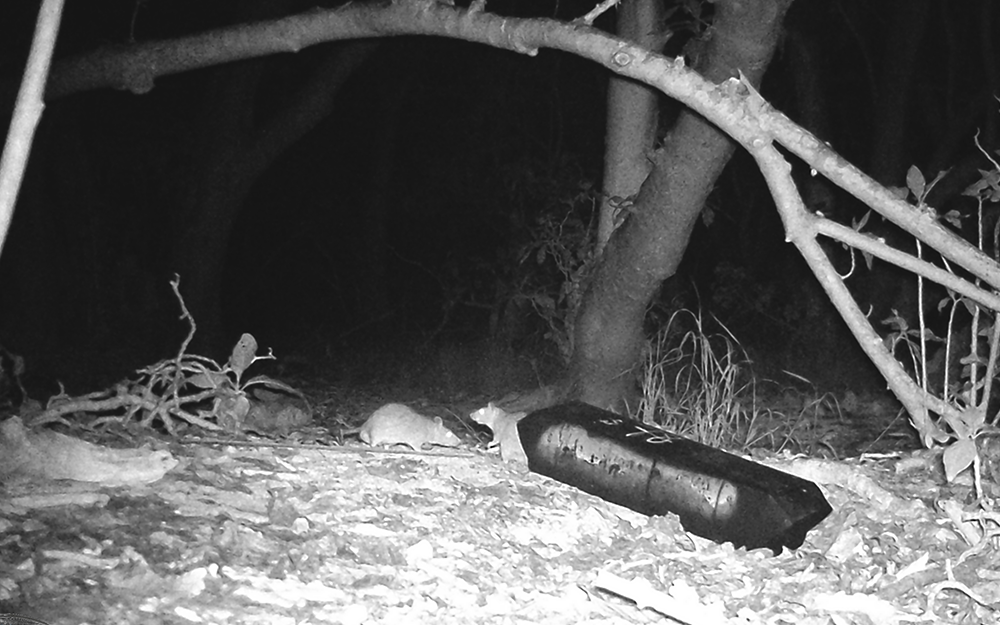
Queensland Parks and Wildlife Service rangers deployed cameras and monitoring stations to track invasive rats across the island.
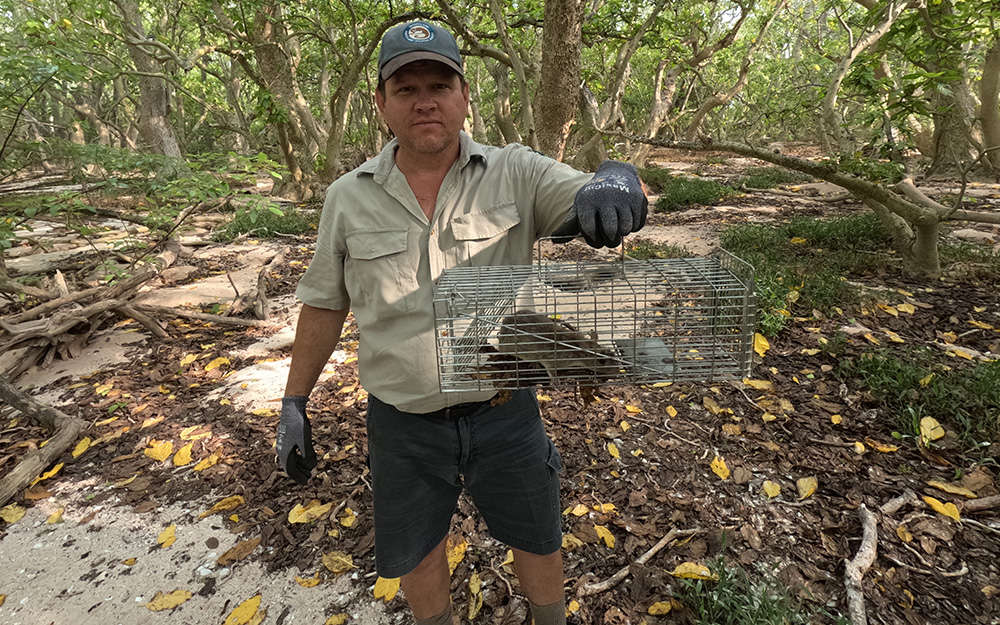
Baiting was used to treat the island as part of the rat eradication program.
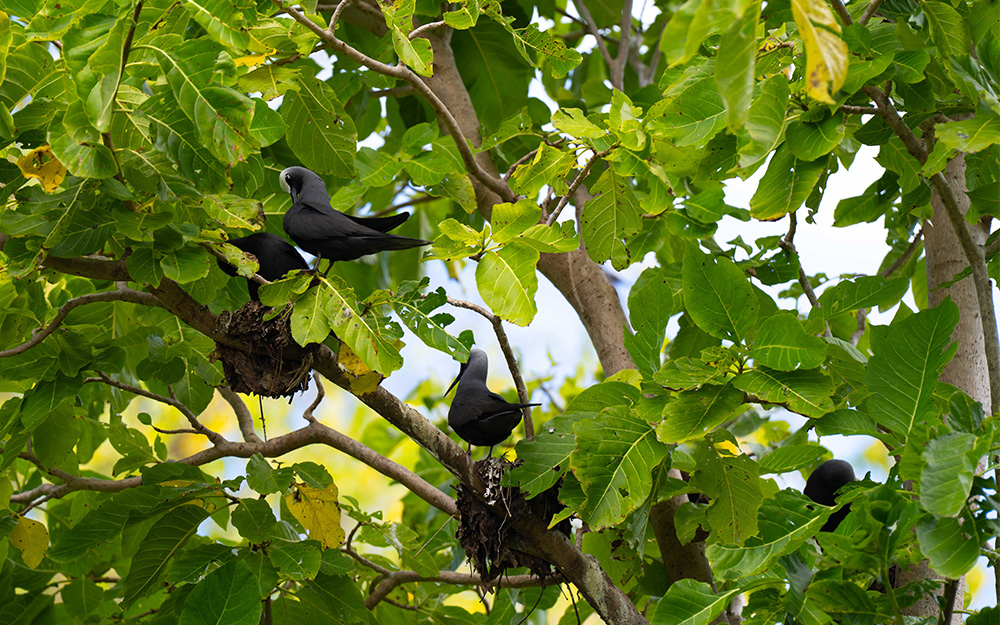
North West Island supports thousands of nesting seabirds and turtles each year.
Rangers and Traditional Owner partners worked together to monitor the island following the eradication program.
'''
Due to North West Island's exceptional environmental values and its popularity as a remote, nature-based destination, removing the pests became a priority for QPWS and the Gidarjil Land and Sea Rangers.
Because of the island's size and terrain, aerial baiting by helicopter was used as the primary treatment method, supported by ground-based bait stations, trapping and monitoring cameras to reduce impacts on native wildlife.
The eradication program took 18 months, with experienced rangers regularly adjusting their approach as the rats' behaviour changed.
Following the program, intensive monitoring using cameras and tracking stations continued for a further 12 months.
No evidence of rats has been detected during that time, allowing the island to be declared rat-free.
Ranger Shearer said the outcome was a significant milestone for protecting the island's wildlife.
"Twelve months of monitoring has shown no evidence of black rats, and our rangers and Gidarjil Land and Sea Rangers are proud of the hard work that went into protecting the island," he said.
With school holidays approaching, visitors are being asked to carefully check their boats, camping equipment and supplies before travelling to ensure the island remains pest-free. Watch QPWS's video below for other biosecurity tips.
This environmental offsets project was delivered by the Reef Authority and QPWS through the Reef Joint Field Management Program.
Funding was provided through the Australian Government's Reef Trust by Australia Pacific LNG, QGC and Santos GLNG, coordinated by the Reef Authority.
This story originally appeared on the Department of the Environment, Tourism, Science and Innovation's media release published 9 March 2026: https://www.detsi.qld.gov.au/our-department/news-media/mediareleases/black-rats-eradicated-from-north-west-island


