
Concerns have been raised about the "coercive" repatriation from Tanzania of Burundian refugees, many of whom do not want to return to their home country.
As of the end of November 2025, there were over 140,000 Burundian refugees in neighbouring Tanzania, who have fled over years of civil unrest in Burundi.
While thousands continue to be "voluntarily repatriated", an official with the UN refugee agency ( UNHCR ) says thousands may still need international protection in Tanzania.
Up to 17,000 say they are unable to return over fears for their safety or danger of political persecution. They include members of the political opposition and former military personnel.
"There are increasing concerns from refugees on forced returns and coercive measures," said UNHCR's Bahia Egeh, who is based in Tanzania. "We also continue to advocate against any coercive measures for the refugees in the camps."
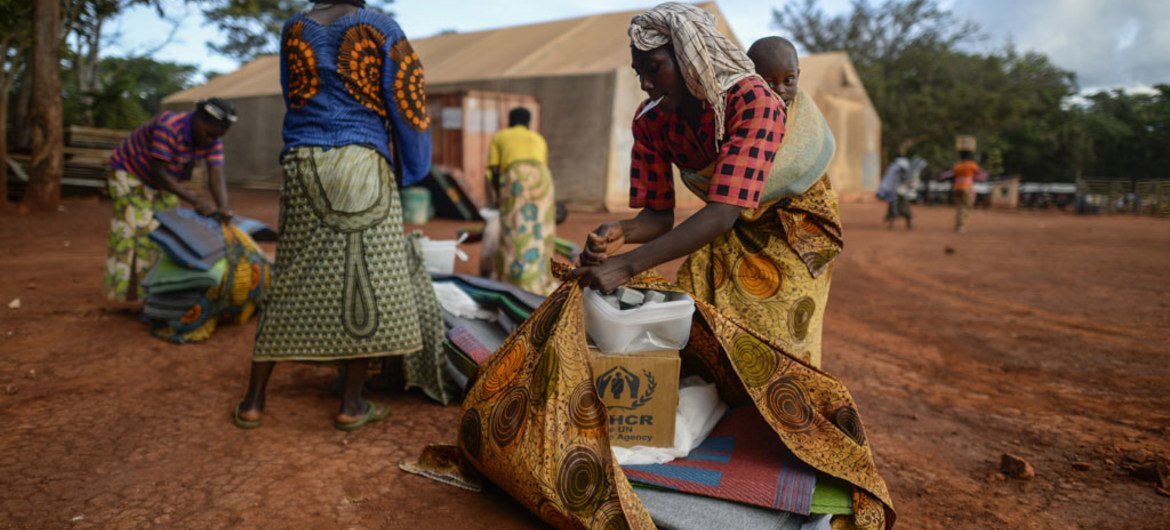
Adding to these concerns are reports that during the repatriation process in Tanzania, refugee shelters are being "demolished" and some Burundi refugees are being subject to "mistreatment", UNHCR revealed on Tuesday.
UNHCR's official position on forced repatriations, known as refoulement, is clear and grounded in international refugee law: refugees and asylum-seekers must not be returned to a place where their lives or freedom would be at risk.
History of displacement
Many refugees in Tanzania have been refugees before, fleeing from the Burundian civil war in the 1990s and early 2000s, returning to Burundi, and then fleeing again in 2015 during a period of political unrest.
There are currently two refugee camps in the North-Western Kigoma region of the East African country, Nduta and Nyarugusu, which is the larger of the two.
Many refugees are seeking to relocate to Nyarugusu after it was announced the Nduta camp is due to close in March.
Ms. Egeh said that the conditions in these camps are "challenging for the refugees" amid a reduction in UNHCR funding that has impacted services.
UNHCR assisted voluntary returns of around 390,000 refugees from Tanzania between 2002 to 2009, while some 162,000 Burundian nationals were granted Tanzanian citizenship in 2014.
What is happening now?
In 2017, it was deemed safe for Burundian refugees to return home.
UNHCR made a tripartite agreement with the Burundi and Tanzania governments to voluntarily repatriate. Progress was initially good, however the COVID pandemic led to a decrease in repatriations for a few years.
In recent months, repatriation efforts have been ramped up after a target of 3,000 refugees a week was agreed in late 2025 as part of an updated tripartite agreement.
In this way, UNHCR shifted from facilitating to promoting and being more vocal with their support for voluntary returns to Burundi.
Uptick in 2026
In the first two months of 2026, more than 28,000 Burundian refugees have returned from Tanzania.
With 8,000 returning in the past week - well exceedingly the weekly target - the total number of repatriations since the 2017 agreement is now over 180,000 refugees.
However, in a statement on Tuesday, UNHCR expressed concern that during these accelerated efforts "refugee shelters have been demolished, forcing people to take temporary refuge in already overcrowded departure centres and further straining conditions on the ground. Some refugees have also reportedly been subjected to mistreatment."
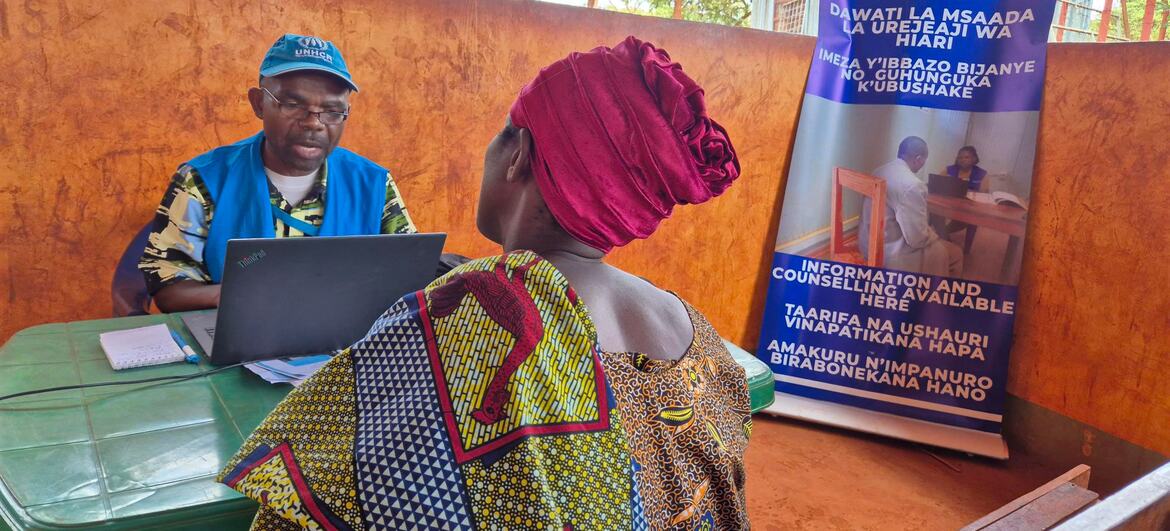
Ms. Egeh said "we continue to advocate with the Government to adhere to the tripartite agreement. This was agreed by all three parties that it should be in safety and dignity and respect the protection principles."
An important part of the tripartite agreement is that people need to be treated with respect - returns must be based on free and informed choice rather than coercion.
To support at risk refugees, Ms Egeth said that UNHCR have a dedicated protection help desk where they can assess the willingness of refugees to return. This will ensure that "people who still need international protection in Tanzania are not part of the convoy that's going."
Funding cuts, reduced services
"When I arrived two years ago, there were 10 health facilities. But over the last couple of years, due to funding, due to the decrease in resources coming in, today there are actually two facilities out of the 10 that are open in Nyarugusu camp."
According to the statement from UNHCR "Capacity is also severely overstretched in Burundi's reception and transit centres. Increased return pressures, reduced resources and limited staffing are straining operations on both sides of the border."
Ms Egeth emphasised that for the refugees, some of whom have been displaced since the 1990s, the most effective way of support is to fund "the resettlement efforts" in Burundi. This will help bring a sustainable return and end the cycle of movement, so people can "start rebuilding their lives" after years of insecurity and uncertainty.
UNHCR remains committed to protecting refugees who don't want to go home and supporting refugees that do.
"We will continue to support the governments of Burundi and Tanzania to uphold their commitments according to the Tripartite arrangements around voluntary repatriation, and particularly in ensuring that refugees and their needs remain front and centre at every step of the repatriation process."


