The UN has long been at the forefront of efforts to involve young people in decision-making, and the last decade has seen significant progress, thanks to the adoption of a Security Council Resolution on Youth, Peace and Security which led to widespread changes in the ways that the voices of young people are not just heard, but also incorporated in peace plans and policies.
In 2021, after the Taliban takeover, Nila Ibrahimi and her family fled Afghanistan. Having been a vocal rights advocate since the age of thirteen, when she led a viral campaign that successfully overturned a government ban preventing Afghan girls over the age of 12 from singing in public, she knew that she risked being a target of the new regime.
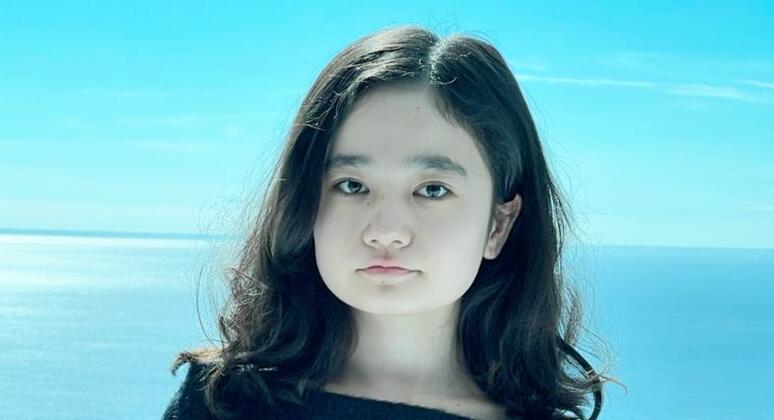
After spending time in hiding, she now lives in Canada, but she hasn't left activism behind. From her new home, she started HerStory, an organisation dedicated to documenting the experiences of girls both inside Afghanistan and across the diaspora.
"I do my best to tell the stories of girls who have been banned from going to school. I was able to graduate but my friends are still stuck in time in the ninth grade. It's emotional work, but I think that if it motivates just one person to do something, then I think that I have done enough".
Active partners in peace
Ms. Ibrahimi was speaking to UN News at an event held on 15 December to mark the tenth anniversary of Security Council Resolution 2250, which formally recognises young people as active partners in maintaining and promoting international peace and security.
Around half the people on the planet are under 30, which makes them the generation with the greatest stake in our common future. Nevertheless, they are often excluded from the spaces where solutions to our most intractable issues are shaped.