
UN teams are racing to protect families in Gaza from the coming rainy season, but restricted access to land and shortages of critical supplies are hampering the effort, UN Spokesperson Stéphane Dujarric said on Wednesday.
Since Monday, partners have assessed three possible sites for temporary shelters for people choosing to leave flood-prone areas or war-damaged buildings at risk of collapse.
They are also examining more than 450 existing displacement sites at high risk of flooding - home to about a fifth of Gaza's population.
Land and access
Explosive ordnance must be cleared from the new sites before voluntary relocation can happen at scale, Mr. Dujarric said, along with levelling sandy ground and installing drainage, water and lighting.
"The main obstacle is restrictions on access to 65 per cent of Gaza's land", he said, adding that the remaining 35 per cent is already overcrowded.
More Israeli approvals are needed to import machinery, spare parts and engine oil, while funding for fuel and shelter is also urgently required.
Meanwhile, health partners are training local medical staff to manage non-communicable diseases, but medicine shortages are limiting early detection and treatment.
"Life-threatening gaps remain in specialized cancer care, including shortages of essential chemotherapy and radiotherapy supplies."
Women searching for Mexico's disappeared face deadly violence
Women searching for people forcibly disappeared in Mexico continue to face deadly violence and often themselves become victims, independent UN human rights experts warned on Wednesday, urging the State to protect them.
Recent attacks in Sinaloa highlight the risks. On 29 August, human rights defender Elisa Altagracia Bonilla was reported disappeared, and Alma Rosa Rojo Medina, founder of the collective Voces Unidas por la Vida, was attacked alongside her daughter and two children.
On 1 September, members of the collective Corazones Unidos por una Misma Causa were struck by a vehicle during a peaceful demonstration in Mazatlán.
The same collective has been repeatedly targeted: one member, Rubí Gómez-Tagle, was murdered this year, and another, María de los Ángeles Valenzuela, disappeared in October 2025.
Government missing in action
"The work of these women constitutes a fundamental extension of their rights, the right to truth, justice and reparations…They are carrying out a task that is primarily the State's responsibility. The State must fully assume this responsibility and not shift the burden onto the families," the experts said.
The violence occurs amid near-total impunity, they added, calling it "a tragic example of the State's failure to fulfil its obligations to protect human rights defenders".
The independent experts - who are not UN staff and receive no salary for their work - welcomed the General Assembly's decision to designate 19 December the International Day in Recognition of Women Searchers for Disappeared Persons, and urged Mexico to publicly recognise the importance of these women's work.
They have previously raised their concerns with the Government, including in an April 2026 letter about the killing of Ms. Gómez-Tagle, to which it replied .
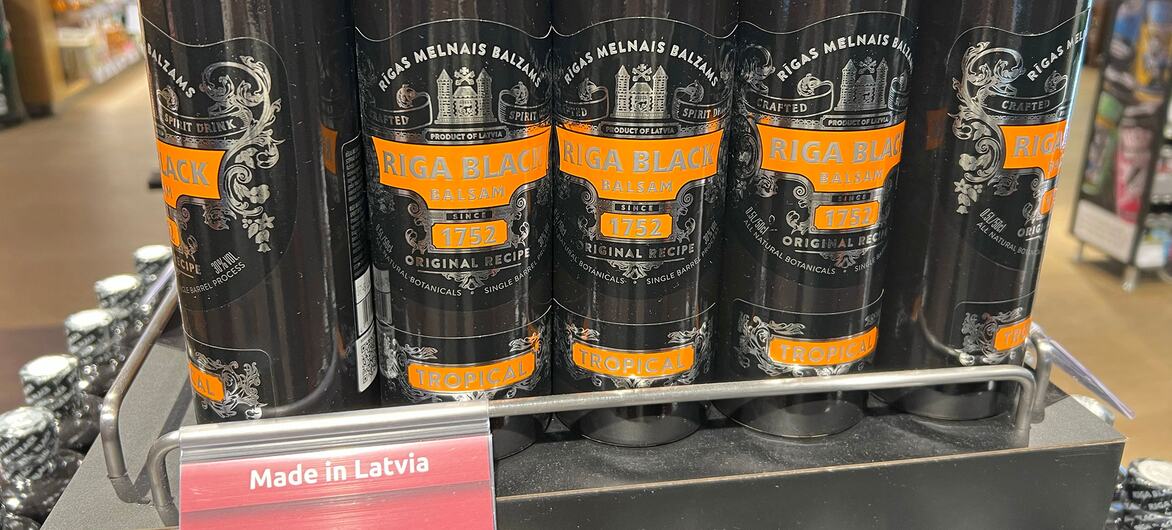
New alcohol policy gives booze the boot in Latvia
To Latvia finally, where simple public health measures to reduce alcohol consumption have been linked to a "significant decline in deaths", just months after they took effect.
According to the UN World Health Organization ( WHO ), deaths that were wholly As put by heavy drinking decreased by 27 per cent, after the new restrictions came into effect.
Mortality from alcohol poisoning, liver disease and acute pancreatitis that are all associated with regular drinking "fell significantly", WHO noted, after evaluating data submitted by the Latvian health authorities.
'Alcohol is everywhere'
Karina Zalite, head of WHO's Country Office in Latvia, welcomed the Government's measures to make alcohol less available, including reducing times when it can be bought, ending instant deliveries when it is purchased online and restricting promotions and sales in gambling venues:
"Alcohol is everywhere in our lives," she noted.
"It's at celebrations, in sport, at the checkout counters and stores. It's easy to forget what it really is, an addictive substance and one linked to at least seven types of cancer."
According to WHO, cancers associated with drinking include bowel cancer and breast cancer. Alcohol use is responsible for approximately 800,000 deaths across Europe every year.


