
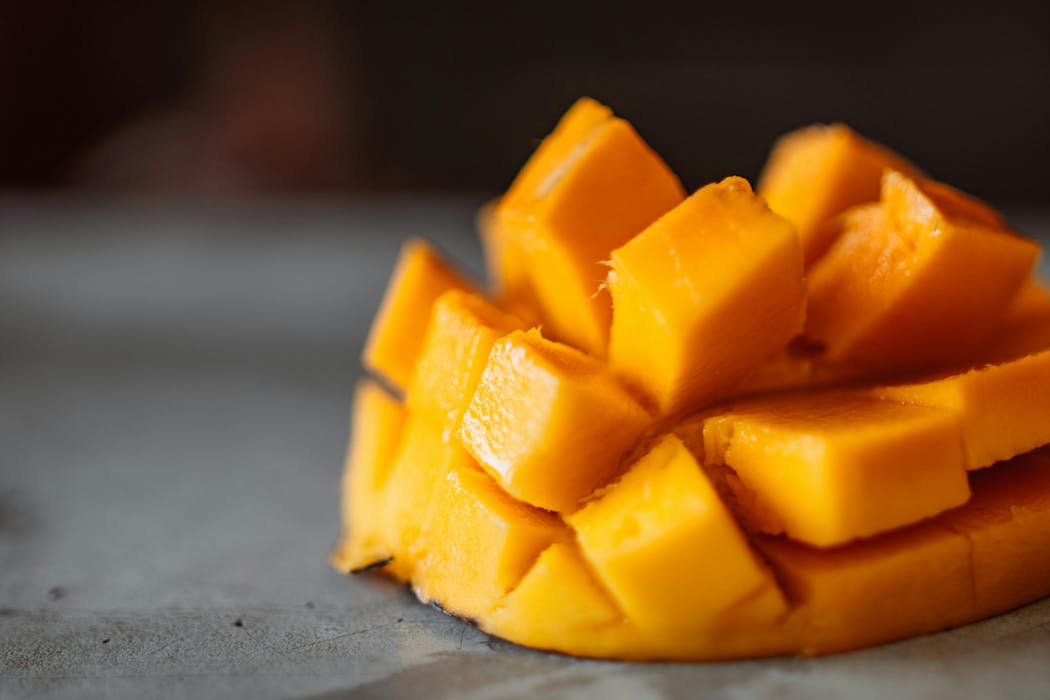
It's mango season. They're cheap, delicious, in the shops or you can buy trays at roadside stalls.
Author
- Margaret Murray
Senior Lecturer, Nutrition, Swinburne University of Technology
But what can you actually do with a trayful?
Sure, smoothies are great, but what if you want to try something else?
I've collected mango recipes from super simple to those for more confident cooks. These versatile recipes range from nutritious main meals to delicious sweet treats.
Try out these top five sweet and savoury mango recipes this summer.
Well done for choosing mangoes
Mangoes are not only a delicious summer treat, they are packed full of essential vitamins and minerals .
Eating just one mango provides roughly:
12-16% of an adult's daily potassium requirement
45-58% of their vitamin A
24% of their folate
158% of their vitamin C .
Choosing seasonal produce, such as mangoes in summer, not only helps to increase diversity in your eating habits, but can also help save you money at the checkout.
5 recipes to try
Fresh prawn mango avocado summer salad is an alternative to the classic "prawn on the barbie". This high-protein, high-fibre salad works perfectly as a side dish or a light meal. However, the sodium content is high, so I'd suggest reducing the salt by half, especially for those watching their blood pressure. With lots of options for variations, this is an easy recipe to make your own way, including serving it with couscous or rice.
Thai mango chicken curry is another great way to get mangoes (pureed and diced) into your meal. This gluten-free, dairy-free recipe is high in iron, potassium and vitamin C. However, it's also high in sodium and saturated fat. I suggest filling half of your plate with this delicious curry and the other half with your favourite veggies to balance out the meal.
Toasted muesli, mango and yoghurt breakfast parfait works for breakfast, dessert or a snack at any time of day. This nutrient-dense recipe provides fibre, protein, calcium and lots of other vitamins and minerals. You can layer the ingredients in a glass and serve the parfait at a party, or make it just for one. This recipe is easy to tailor to whatever ingredients you have at hand. For example, you could swap the toasted muesli for granola, nuts or seeds, or go for untoasted muesli or rolled oats for a slightly leaner option.
Mango melba is a twist on a classic Aussie summer dessert that you can cook in a pan or on the barbecue. This recipe perfectly showcases summer fruits as the centrepiece of the dish. Including fruit, such as mangoes, in desserts is a great way to add flavour and nutritional value to boost your daily vitamin and mineral intake. The mangoes and raspberries in this recipe are packed full of vitamin C and other antioxidants.
Mango ice cream is a perfect sweet treat for summer. To get the best flavour, make this with Kensington Pride, Honey Gold or Pearl varieties, rather than Calypso. This recipe is high in saturated fat and sugar, so it should be enjoyed in small quantities as a special treat. Of course, you are still getting the vitamin A, vitamin C and potassium from the mango.
Can you have too much of a good thing?
Adults are recommended to eat two serves of fruit a day. For children and adolescents the recommended intake ranges from half to two serves of fruit a day, depending on the age.
Half a mango is equivalent to one serve of fruit, so eating one whole mango would fulfil an adult's daily fruit needs.
For people with irritable bowel syndrome (IBS), the fructose (a type of sugar) in mangoes may contribute to symptoms such as bloating, stomach pains, constipation or diarrhoea. If you have IBS, you should seek advice from a dietitian on how to manage your diet.
In rare cases , contact with mangoes can cause a skin rash known as dermatitis. If you are affected by mango dermatitis it is best to avoid handling mangoes. However, you may still be able to eat the flesh if someone else prepares it.
Otherwise, enjoy this seasonal fruit over summer and try out one of these delicious recipes.

Margaret Murray does not work for, consult, own shares in or receive funding from any company or organisation that would benefit from this article, and has disclosed no relevant affiliations beyond their academic appointment.


