
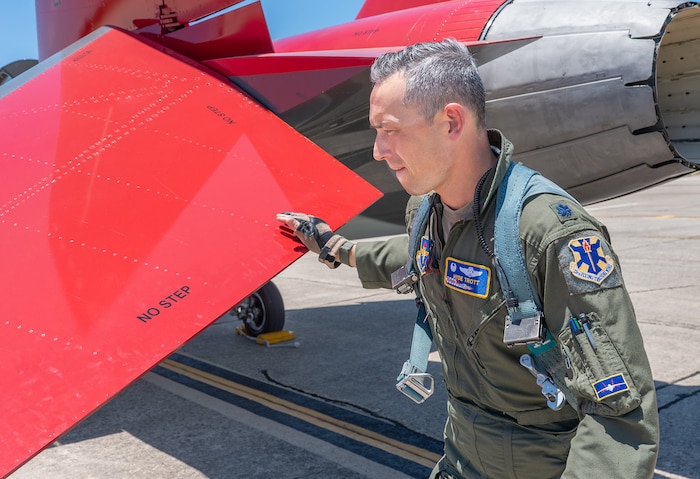
In a historic milestone for future fifth- and sixth-generation fighter and bomber pilot production, two leaders from the 99th Flying Training Squadron have unlocked the unit's operational independence by becoming the first Air Education and Training Command pilots qualified on the T-7A Red Hawk.
As the Air Force transitions to the T-7A-ushering in a modern era of pilot training with advanced avionics and systems-the team at the 99th FTS is leading the charge toward achieving initial squadron stand-up and overall Initial Operational Capability, or IOC, by building the first cadre of T-7A instructor pilots.
"As the first T-7A squadron in the Air Force, this moment marks a critical step in the overall process of fielding the new trainer fleet," said Lt. Col. Michael Trott, 99th FTS commander, who is also one of the first two T-7A-qualified pilots. "This milestone permits us to fly the aircraft on our own without a T-7 instructor pilot from Boeing or Developmental Test, allowing us to build the instructor cadre vital to producing the highly capable aviators needed for tomorrow's high-end fight."
For Trott and Lt. Col. Phillip Bourquin, 99th FTS director of operations, who also qualified on the T-7A, the path to qualification relied heavily on "Type-1" sorties. These specific flights are the foundation for the T-7 initial cadre aircrew.
According to Trott, Type-1 sorties are dedicated to the initial training and qualification of pilots in a brand-new airframe. Unlike standard training missions, they focus intensely on the fundamentals of the new aircraft: takeoffs, landings, enroute navigation, instrument approaches and overall system familiarization. This rigorous process ensures the first generation of instructors intimately understands the aircraft's handling and capabilities before teaching others.
As members of the initial cadre for a new aircraft, the two are also now the first T-7A AETC instructor pilots. However, they plan to build their experience before passing on their knowledge.
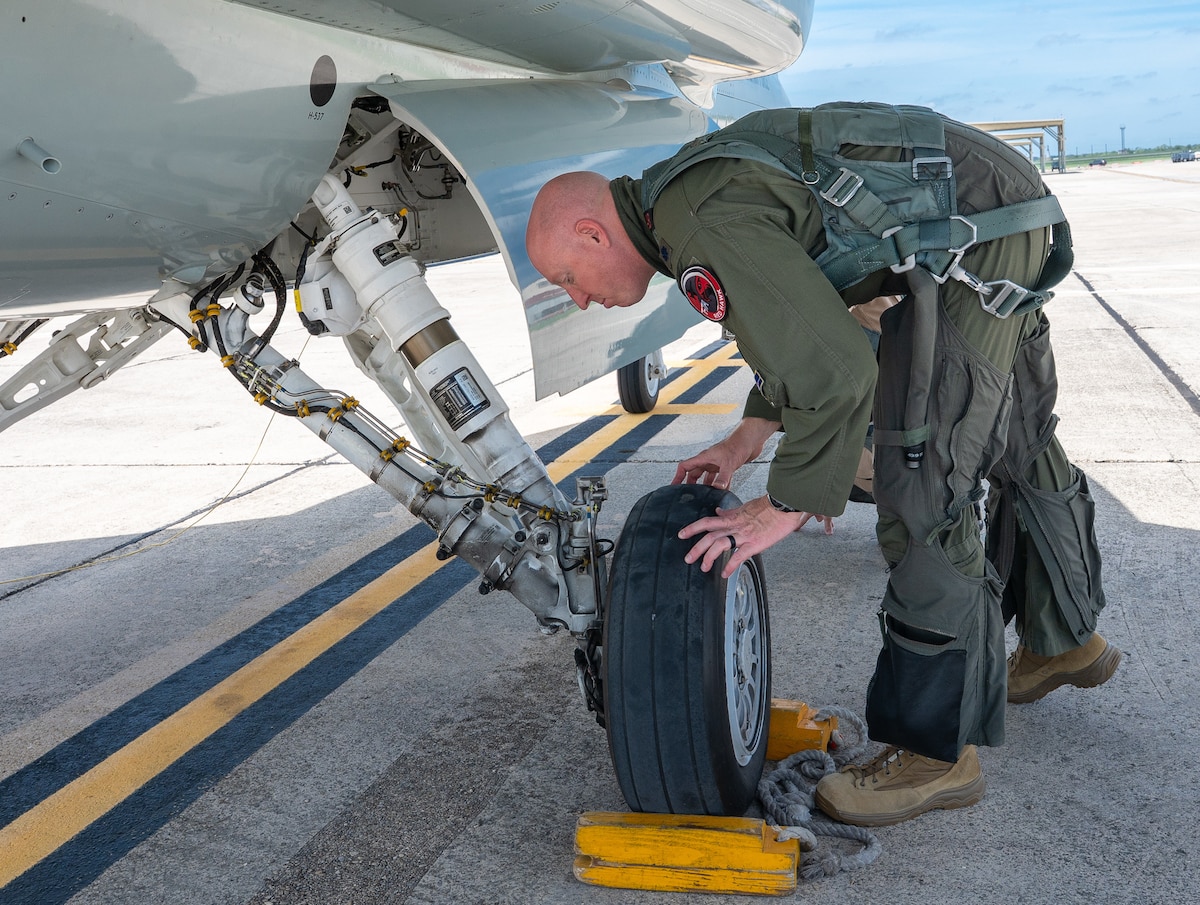
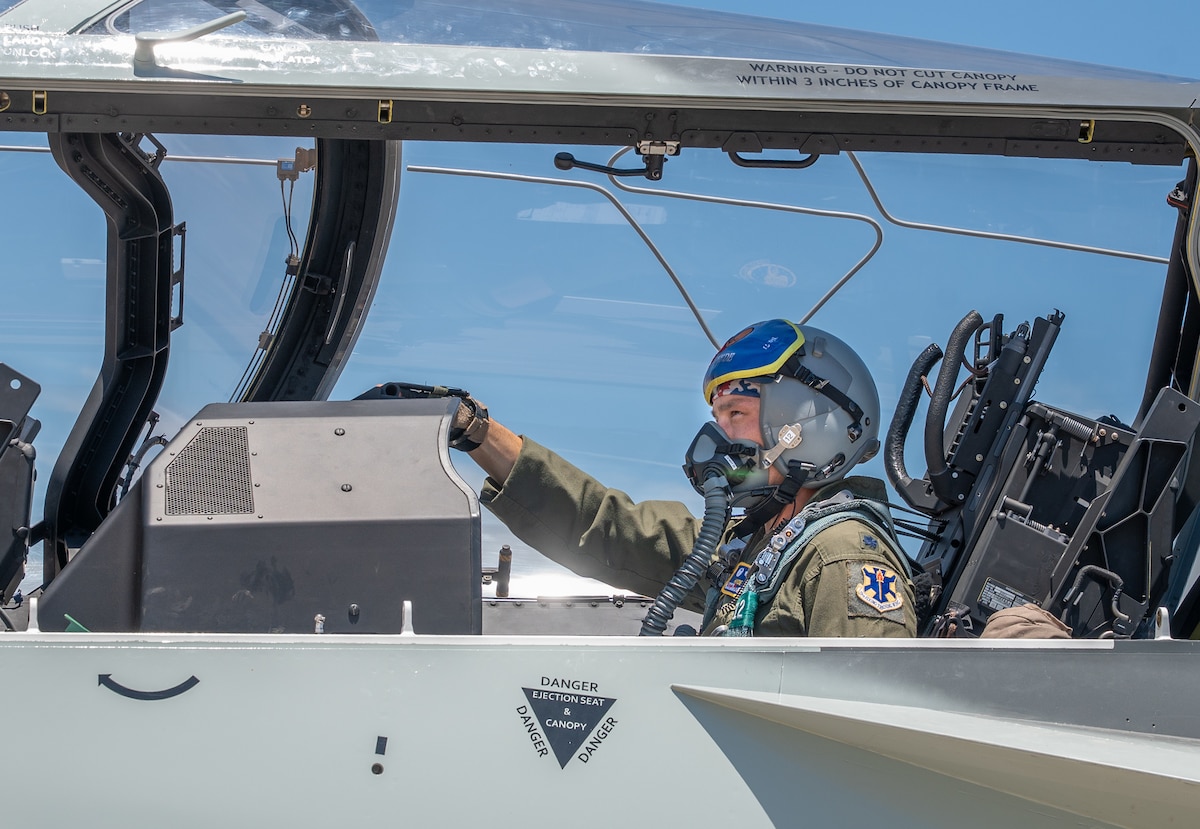
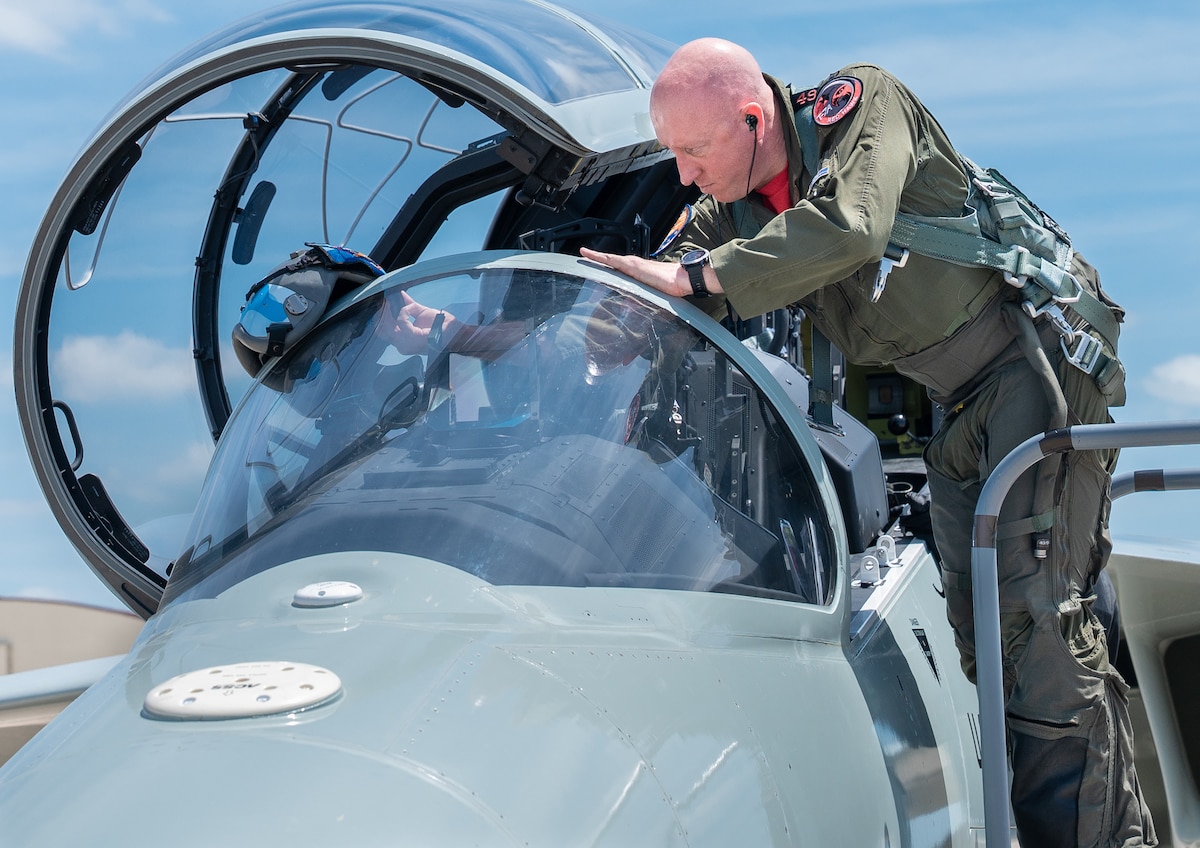
"We do intend to fly some seasoning sorties before instructing others," Trott added.
For Trott, this achievement represents far more than personal qualification; it is a testament to the hard work of the entire 99th FTS as they build the foundation for the T-7A program.
"We are looking forward to getting the rest of our initial cadre flying," Trott said. "They have been putting in enormous amounts of work and effort into the T-7 program, and we are excited to have them qualified in the aircraft as soon as possible."
While the squadron awaits its next T-7A delivery in August, the current aircraft will remain highly active.
The 99th FTS aims to fly the jet regularly each month, sharing the aircraft in coordination with Type 1 maintenance training demands, ensuring ground crews become just as proficient as the pilots.
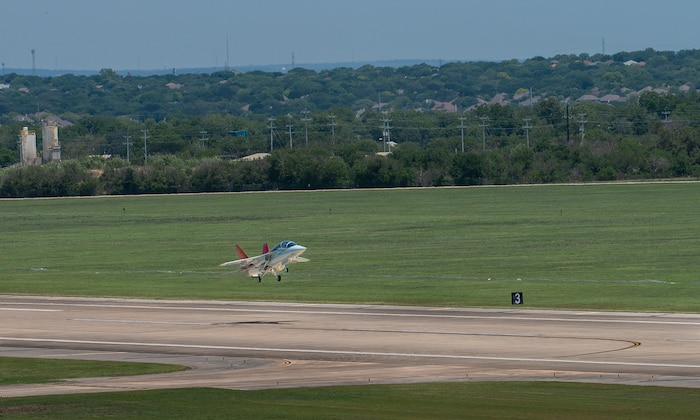
For Trott and Bourquin, these flights will serve as currency sorties while simultaneously getting the next group of initial cadre aircrew into the cockpit.
While the initial cadre is actively flying, standard T-7 Pilot Instructor Training is still on the horizon.
The 99th FTS does not plan to instruct standard PIT until the squadron achieves IOC, which is targeted for August 2027, Trott said. Training new 99th FTS IPs who are outside of the initial cadre will require the completion of a dedicated T-7 PIT syllabus.
Currently in its draft phase and expected to be finalized this fall, the syllabus is anticipated to take approximately four months to complete.


