
Australian Centre for International Agricultural Research (ACIAR) and Vietnam's Ministry of Agriculture and Environment (MAE) have announced a 10-year research collaboration strategy (2026 - 2035) and agreed in-principle to invest A$3.3 million, together with additional in-kind contributions in two new research projects, during the high-level visit of Vietnam's General Secretary and President, HE To Lam, to Australia from 9 to 12 August.
The new 10-year strategy aims to strengthen ACIAR and MAE's collaboration to support Vietnam's ongoing transition to a more efficient, responsible and high-quality agricultural economy, while advancing its Net Zero commitment and broader sustainable development goals. It focuses on more efficient use of natural resources, environmental protection, digital transformation and climate resilience in the agricultural sector.
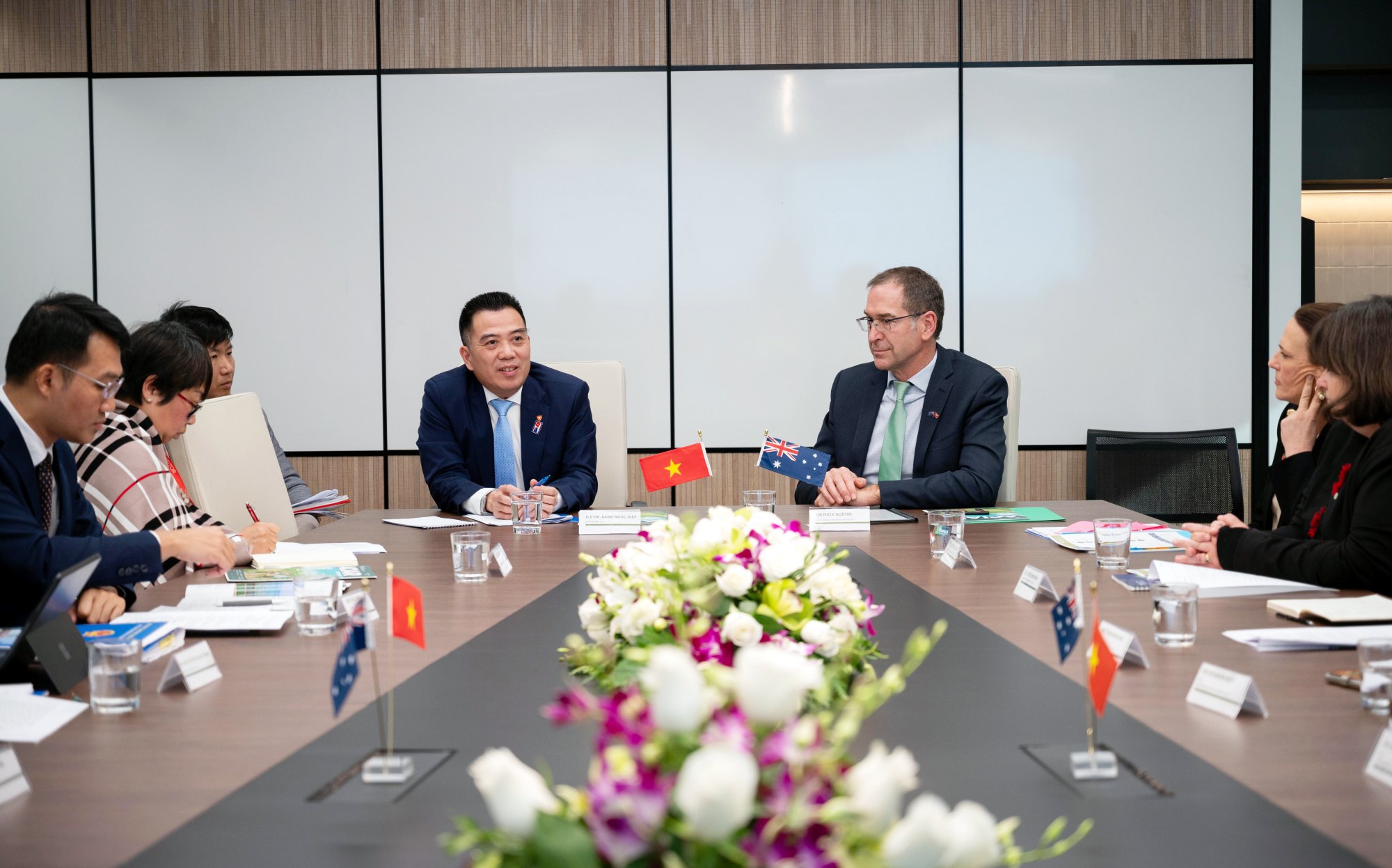
'We are pleased to work with the Ministry of Agriculture and Environment towards a shared vision for 2035. Through deeper cooperation in strategic agricultural research and innovation, Viet Nam and Australia will advance sustainable development, green transformation, carbon neutrality and resilience to global challenges,' said Dr Nick Austin, ACIAR's Acting Chief Executive Officer.
Since 1993, the long-standing and effective research partnership between ACIAR and Vietnam has contributed to the growing bilateral relationship between Australia and Vietnam. Through ACIAR, Australia has supported Vietnam to strengthen research capacity, technology, farming systems and value chains. These outcomes have contributed to Vietnam's progress in restructuring and increasing value of the agriculture sector, enhancing farmers' livelihood and adapting to climate change.
During his meeting with ACIAR in Canberra on 11 August, Mr Dang Ngoc Diep, Vice Minister of Agriculture and Environment highly appreciated the partnership with ACIAR. He emphasised that MAE and ACIAR's collaboration in the next 10 years will continue to build on 3 decades of effective partnerships, under the framework of the Australia-Vietnam Comprehensive Strategic Partnership. It will focus on delivering practical, effective and sustainable research outcomes.
As Vietnam enters a new phase of development, a partnership grounded in science and innovation will be key to advancing green growth and low-emission development while maintaining food security and global competitiveness.
The two new research projects are a concrete realisation of the shared commitments set out in the strategy, helping strengthen capacity, livelihoods, local enterprises and social inclusion in Khanh Hoa Province and the Red River Basin.
Both projects build on earlier ACIAR investment in Vietnam and the Southeast Asia region, drawing on the robust partnership between Australia and Vietnam's networks of scientists, government agencies, universities and local communities.
The first project, 'Fish Tech Plus: Growing capacity of Mekong subregion countries to implement technical fisheries solutions into river development programs' (A$ 480.000 for Vietnam), will commence this month. It will strengthen institutional and community capacity for sustainable and inclusive river development in the Mekong subregion through research, education, and demonstration of fish-friendly infrastructure that enhances climate resilience, safeguards fisheries-based livelihoods, and promotes gender equality, disability, and social inclusion.
The second planned project, 'Supporting development of the mabé pearl sector in Khánh Hòa Province of Vietnam' (A$ 2.8 million), is expected to commence in January 2027. It will support research, training and market development to help smallholder farmers improve their livelihoods through participating in an emerging aquaculture value chain.
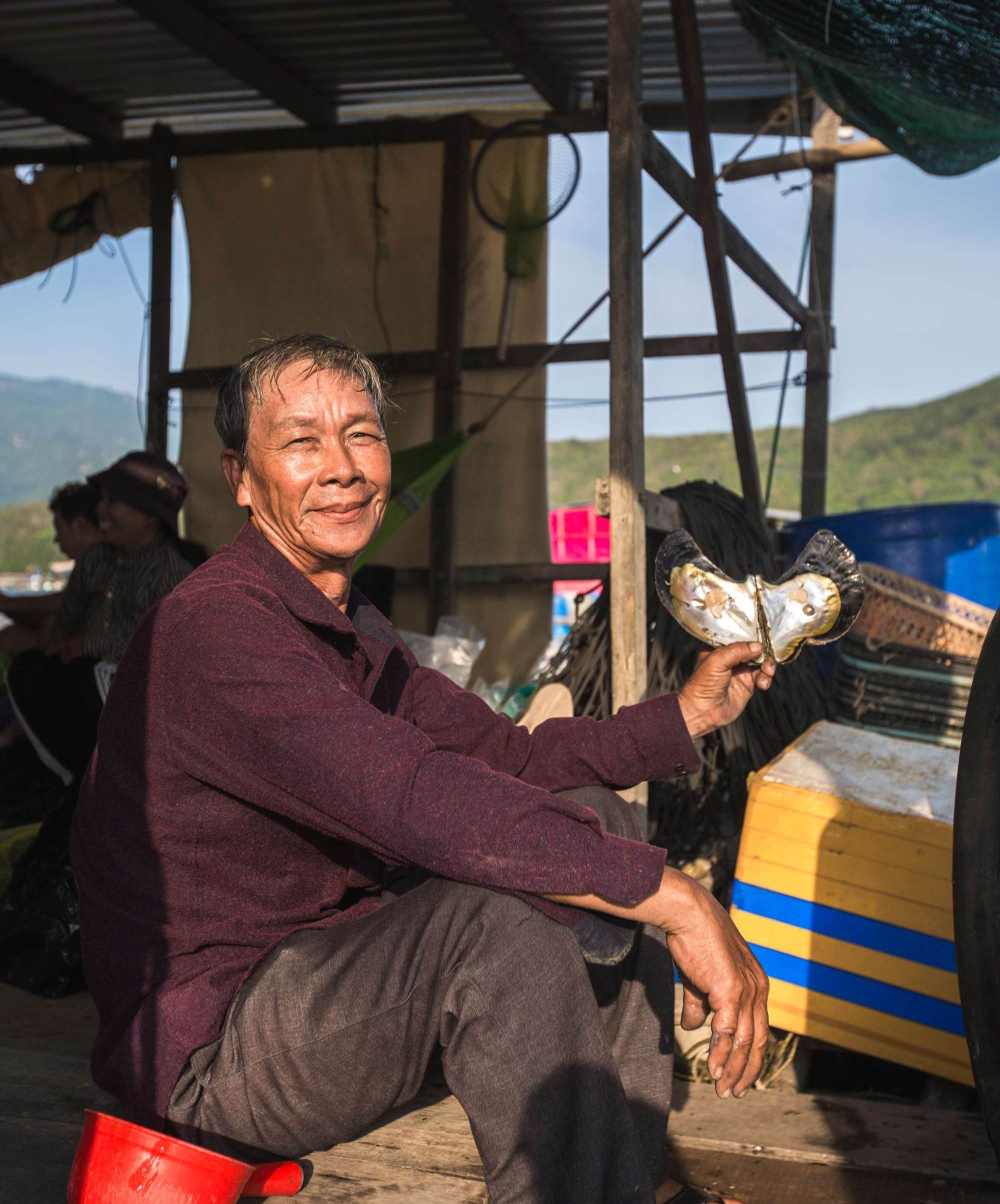
The project will improve hatchery, nursery and grow-out systems, strengthen post-harvest processing skills, develop value-added pearl and shell products, and improve market knowledge and access. It will also examine environmental sustainability and climate-related risks to guide responsible sector expansion. By testing technologies and markets, the project will establish a foundation for expanding mabé pearl livelihoods to other coastal areas of Vietnam.
These partnerships reflect the mutual commitment to practical research that creates livelihood opportunities in the Blue Economy, strengthens local capability, and supports more inclusive participation, including opportunities for women and persons with disabilities.
By linking Australian and Vietnamese expertise with government, university, private sector and community partners, the projects will support sustainable livelihoods and better-informed decisions on coastal and river resource management in Vietnam.
Through these projects, Australia and Vietnam will also support knowledge generation, technology transfer and regional cooperation across Southeast Asia region.


