
A coordinated effort spanning air, land and sea has delivered the first Virginia-class submarine training systems to HMAS Stirling, marking a significant milestone in Australia's journey towards operating conventionally armed, nuclear-powered submarines under AUKUS.
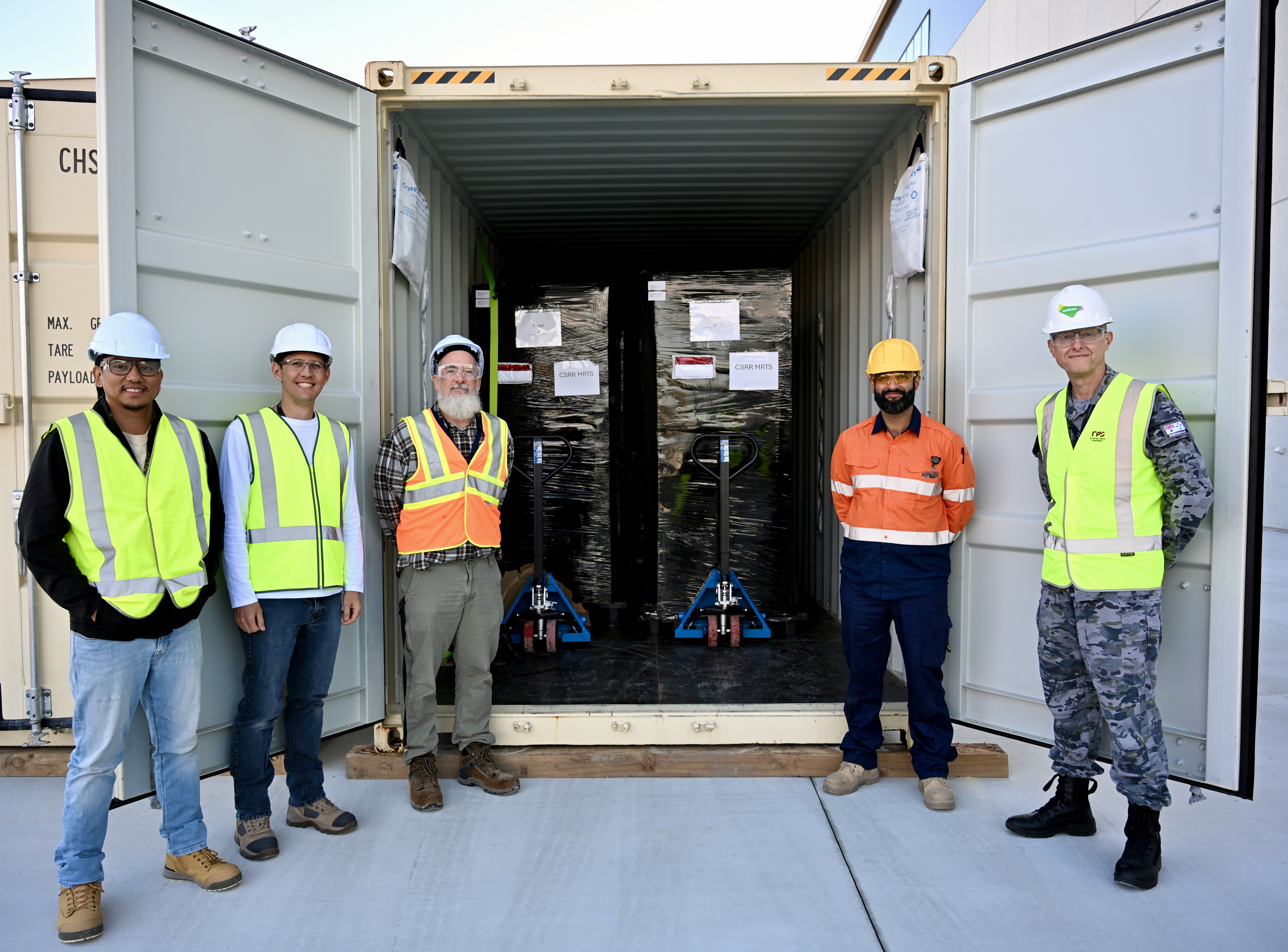
The delivery forms part of the Training Support Equipment Initial Operating Support package that will underpin the future SSN Training Centre-West, supporting the development of the skilled SSN-qualified submariners that supports both Submarine Rotational Force-West (SRF-West) and Australia's future Virginia-class submarine capability.
Capability delivered
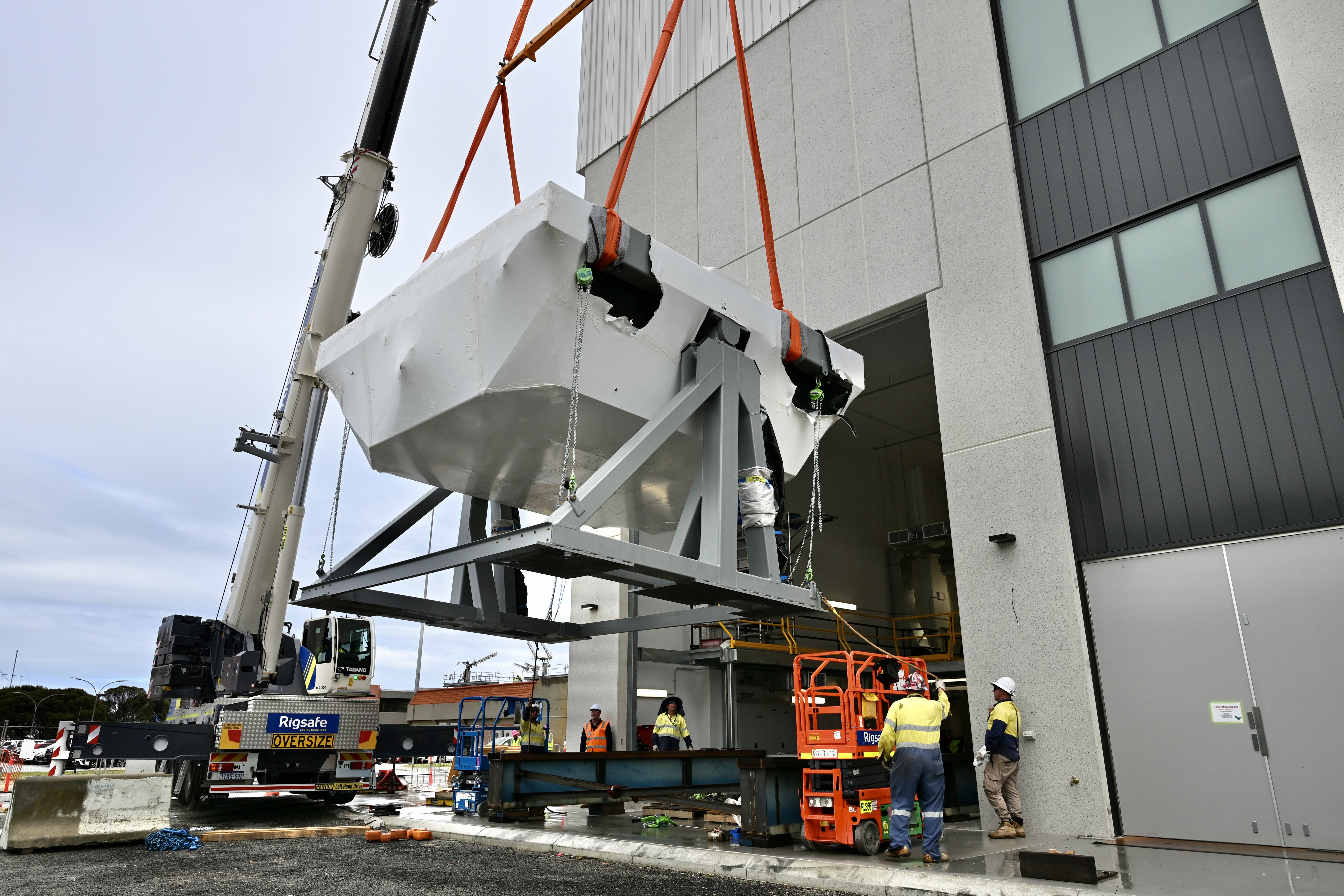
While the initial shipments included more than a dozen training devices, the centrepiece of the delivery is the Virginia Ship Control Operations Trainer (VSCOT). Replicating the ship control station aboard a Virginia-class submarine, the advanced simulator allows personnel to train in a realistic and controlled environment, building proficiency in submarine manoeuvring, operational procedures and emergency response.
Together with the broader training suite, VSCOT will support individual and team-based training for Australia's future conventionally armed, nuclear-powered submarine workforce.
'The delivery of Australia's first sovereign Virginia-class submarine training capability is a tangible demonstration of the AUKUS Optimal Pathway in action,' said Alexandra Kelton, Deputy Director-General Strategy at the Australian Submarine Agency.
'It brings together infrastructure, workforce and high-end capability to ensure Australia is developing the skilled people and enduring foundations needed for the Royal Australian Navy to operate and sustain conventionally armed, nuclear-powered submarines for generations to come.'
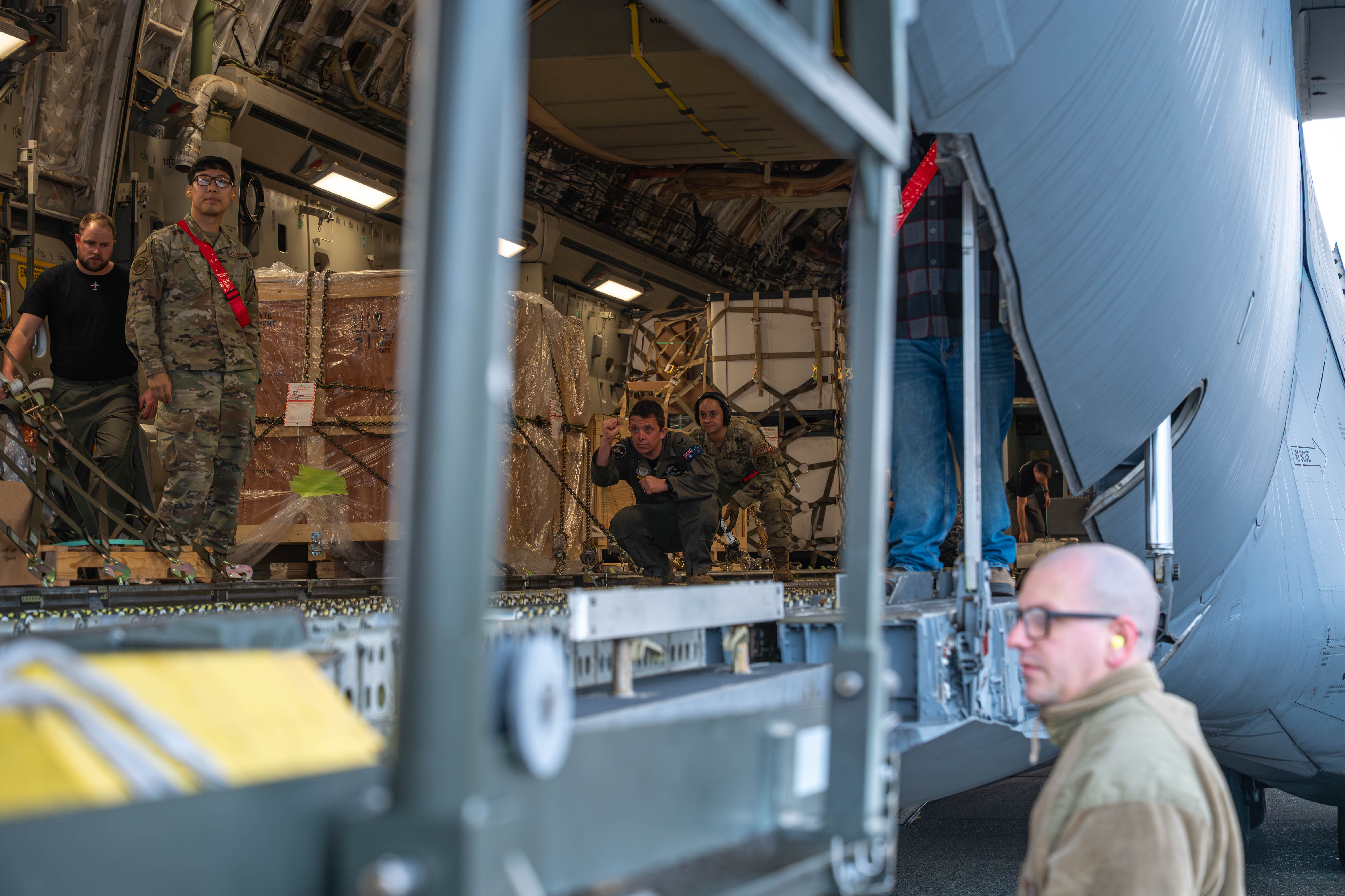
The training systems arrived in Australia through a complex logistics operation involving maritime shipping, heavy-lift cranes, road transport and strategic airlift before arriving at HMAS Stirling for installation.
World-class training facility
Rear Admiral Dave Mann, Head Virginia Division at the Australian Submarine Agency, said the capability would support submariners at every stage of their professional development.
'These systems provide a safe, secure and highly realistic environment where submariners can develop and refine their skills. The training can be tailored to individuals or teams, paused when required for coaching and debriefing, and repeated as often as necessary.
'That flexibility allows personnel to build competence and confidence before applying those skills in an operational setting.'
The facility will also strengthen integration between Australia and its AUKUS partners.
'One of the most important aspects of this capability is that it reinforces a common standard across the AUKUS partners. Australians and Americans will be able to train together, learn together, and develop the skills required to operate as a highly integrated team.'
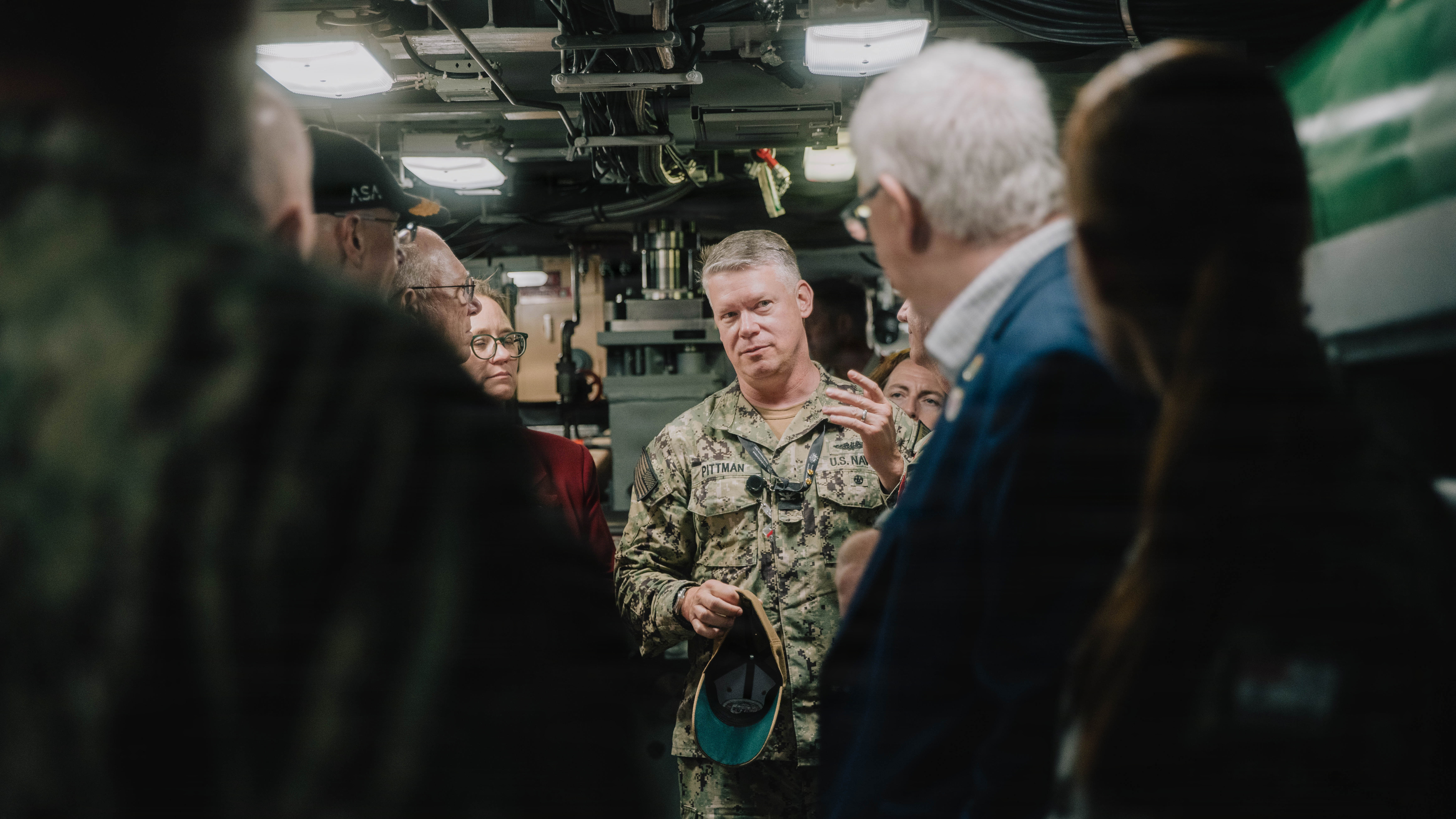
Captain Jason Pittman, the senior U.S. Navy officer supporting submarine operations at HMAS Stirling and Commodore of Submarine Squadron 3, U.S. Pacific Fleet, said the training centre would create opportunities for both nations to learn from one another.
'This is not just about Australia learning how to operate Virginia-class submarines. This is about our two navies sharing best practices and best ways to operate in this region of the world based on our collective understanding of how to drive our different boats,' said Captain Pittman.
'The Australian submarine force is already highly proficient, and we've worked together closely for decades.
'While the United States is bringing its experience in nuclear-powered submarines and Virginia-class operations, Australia brings a wealth of expertise in operating submarines in this region. I think we're going to see some fantastic collaboration in tactics, techniques and procedures.'
Training for every stage
The training capability being established at HMAS Stirling will support the entire training lifecycle of a SSN submariner.
'You'll be able to bring in new recruits and develop them from the very beginning of their career. People will be able to walk through the front door with no prior experience and emerge fully qualified,' said Captain Pittman.
The facility will also support continued learning and advanced qualifications throughout a submariner's career, allowing personnel to maintain their skills, build proficiency and develop higher levels of expertise as they progress.
'It's not just about initial training. It's about creating a pathway for professional development that will continue for years to come,' added Captain Pittman, who also highlighted the unique aspects of the facility being developed.
'Combined with the training capabilities that already exist at HMAS Stirling, it creates a truly world-class training environment.'
Rear Admiral Mann also highlighted the uniqueness of the facility and said the training centre provided tangible evidence that capability was being delivered now.
'This facility is something people can see and understand. It is physical evidence that real work is taking place. The infrastructure exists, the systems are arriving, the workforce is growing and we're continuing to make progress towards the milestones that have been set.'
Deep trust between partners
The delivery of this training equipment to HMAS Stirling isn't just a first under AUKUS.
Most of the training systems being delivered to HMAS Stirling are being transferred outside the United States for the first time, underscoring the extraordinary level of trust, cooperation and strategic alignment between Australia and the United States.
'People often refer to Virginia-class submarines as the 'crown jewels' of the United States Navy. Bringing these training systems to Australia is a demonstration of our trust in Australia's security, stewardship and professionalism,' said Captain Pittman.
'It's the first time systems like these, which are integral to the training of a nuclear-powered submarine crew, have been delivered outside the United States. The fact we're installing them here at HMAS Stirling reflects our confidence in Australia's ability to safeguard this information and use it effectively.
'As a young officer, I never would have imagined pulling into Australia and stepping into a training system identical to those we use in the United States. Yet here it is, becoming a reality only a short time after the AUKUS agreement was signed. It's a very impressive achievement.'
Australians at the forefront
Rear Admiral Mann said the achievement would not have been possible without the hundreds of Australians helping bring the project to life.
'Behind every milestone are the hundreds of Australian tradespeople, engineers and project specialists who are helping turn plans into reality. Their work has been critical in ensuring the facility is ready for integration and capable of supporting this next phase of Australia's submarine journey.'
Installation of the equipment at the SSN Training Centre-West is continuing at HMAS Stirling and is due for completion next year. As work progresses, the arrival of the training systems provides a visible demonstration of AUKUS in action, helping establish the infrastructure, workforce and training foundations required to support Australia's future conventionally armed, nuclear-powered submarine capability for decades to come.


