
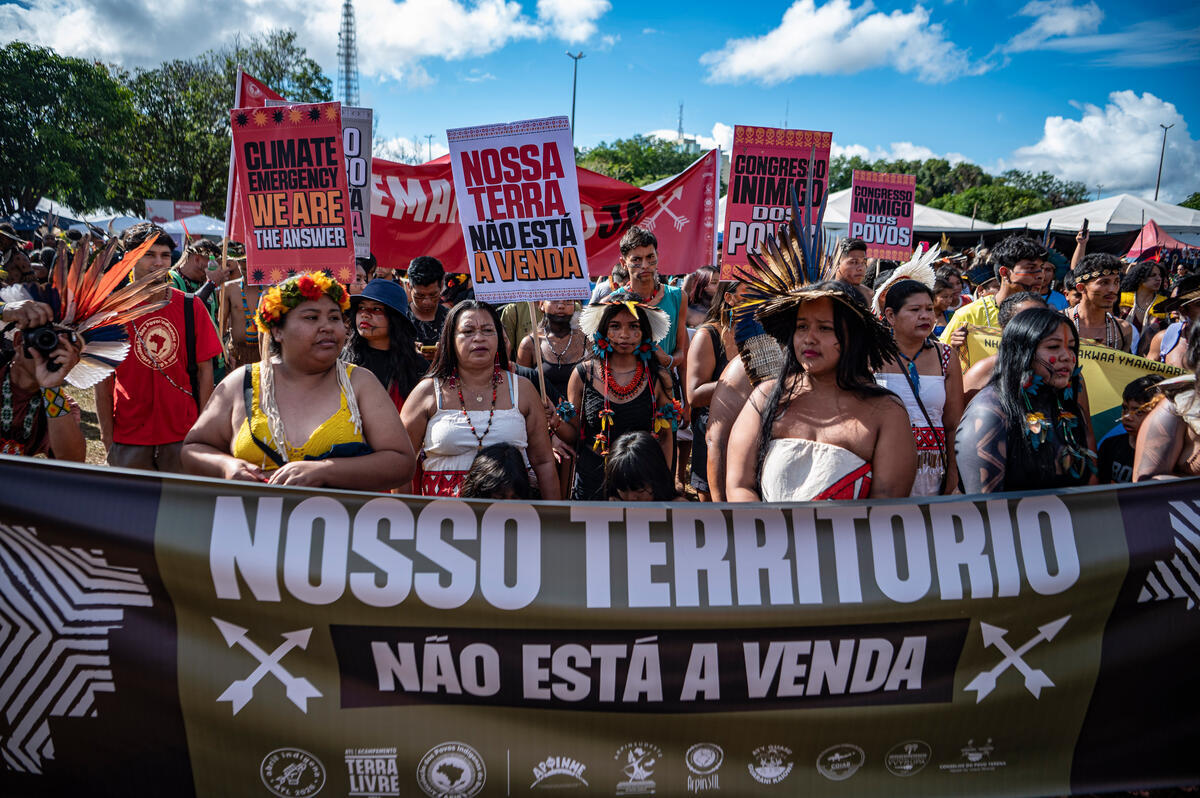
From 5 to 11 April 2026, thousands of Indigenous Peoples from across Brazil gathered in Brasilia, the capital of the country, for the 22nd Free Land Camp (ATL). This event is the largest Indigenous mobilisation in Brazil and one of the biggest in the world. It united diverse communities under a powerful message: "Our future is not for sale: the answer is us."
For over 20 years, the Free Land Camp has become an important space for political organisation among Indigenous Peoples. Thousands gather to build alliances, make their presence visible through marches, daily assemblies on territorial rights, and ceremonies that ground the mobilisation in ancestral knowledge. Across the camp, Indigenous media teams produce their own coverage, while spaces for dialogue bring forward discussions on gender, women's leadership and LGBTQ+ Indigenous rights. Art, music and collective expression weave through it all, making the Free Land Camp a political force as much as a cultural one.
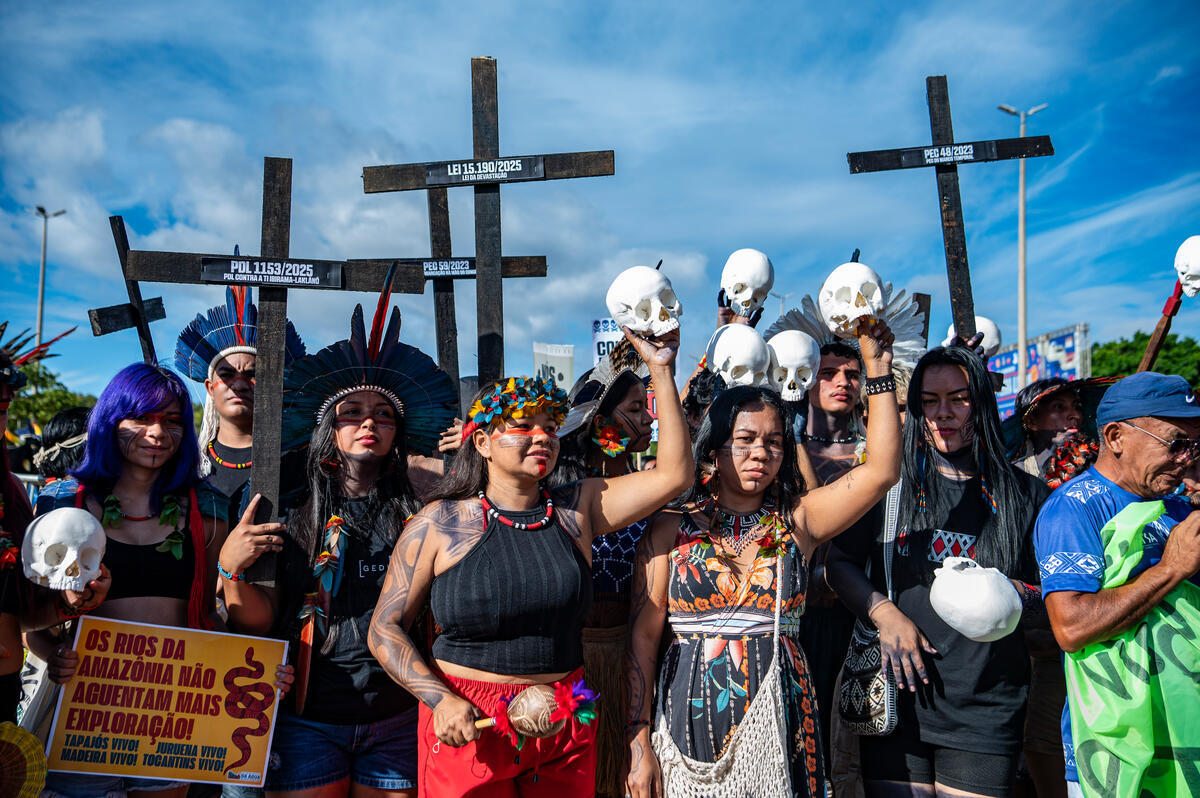
The centre of Free Land Camp
The discussions at this year's Free Land Camp reflected the urgency of the moment. Key issues included the demarcation of Indigenous lands, the rise of illegal mining and other harmful activities, the climate crisis and the defense of democracy. These topics are interconnected, exposing an economic model that prioritises extraction of the planet's natural resources over the protection of vital ecosystems and short-term profits over long-term stability of climate and biodiversity.
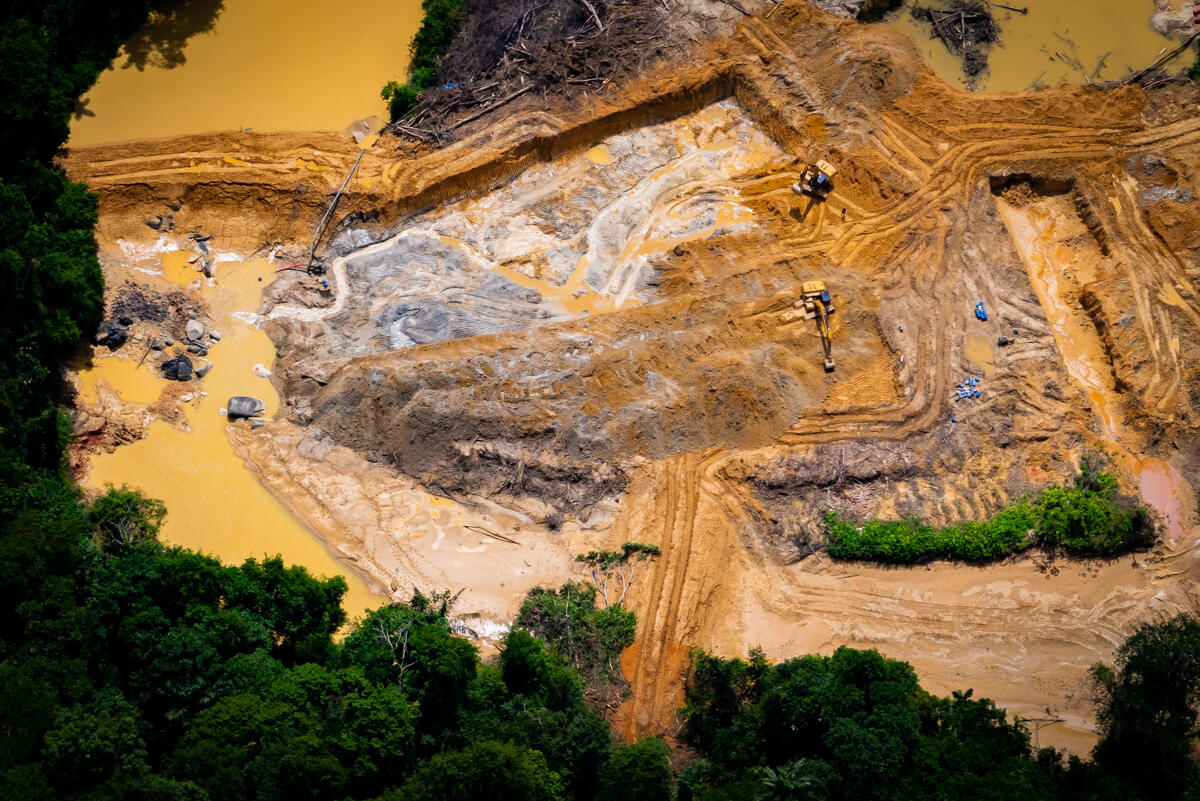
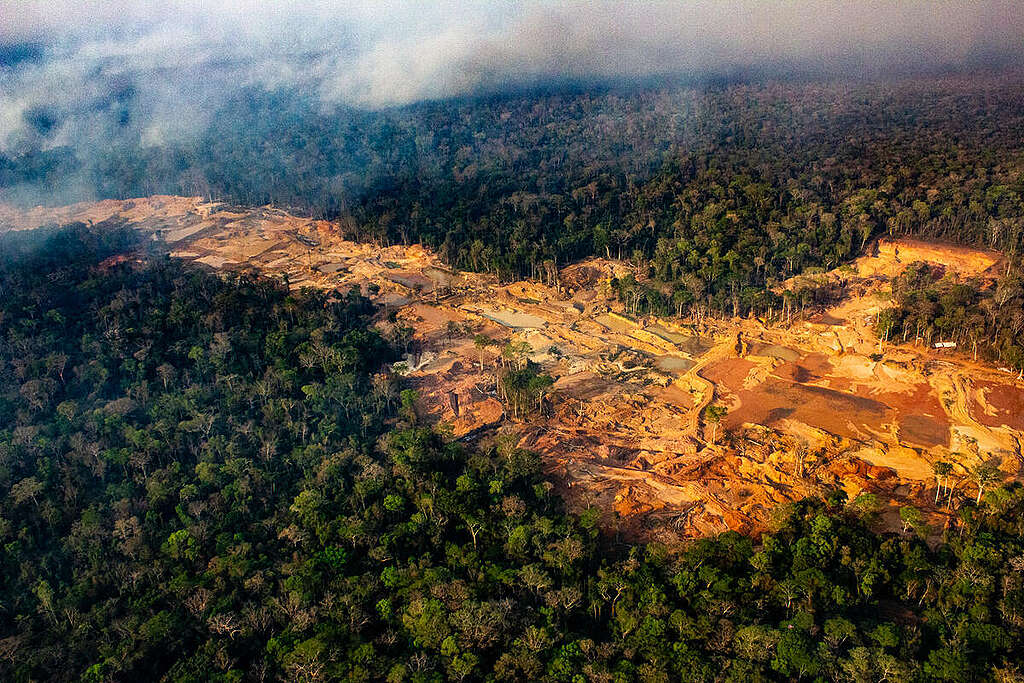
In Brazil, illegal gold mining in Indigenous territories is a clear example of this destructive model. The activity has serious impacts to the environment, causing deforestation and poisoning rivers, a vital source of food and transportation for Indigenous People. The presence of non-Indigenous Peoples in the land also causes conflict and directly threatens the way of life of those living in the territory. The forces driving this expansion are not just local; they are linked to a global demand for resources.
A decisive year for tropical forests
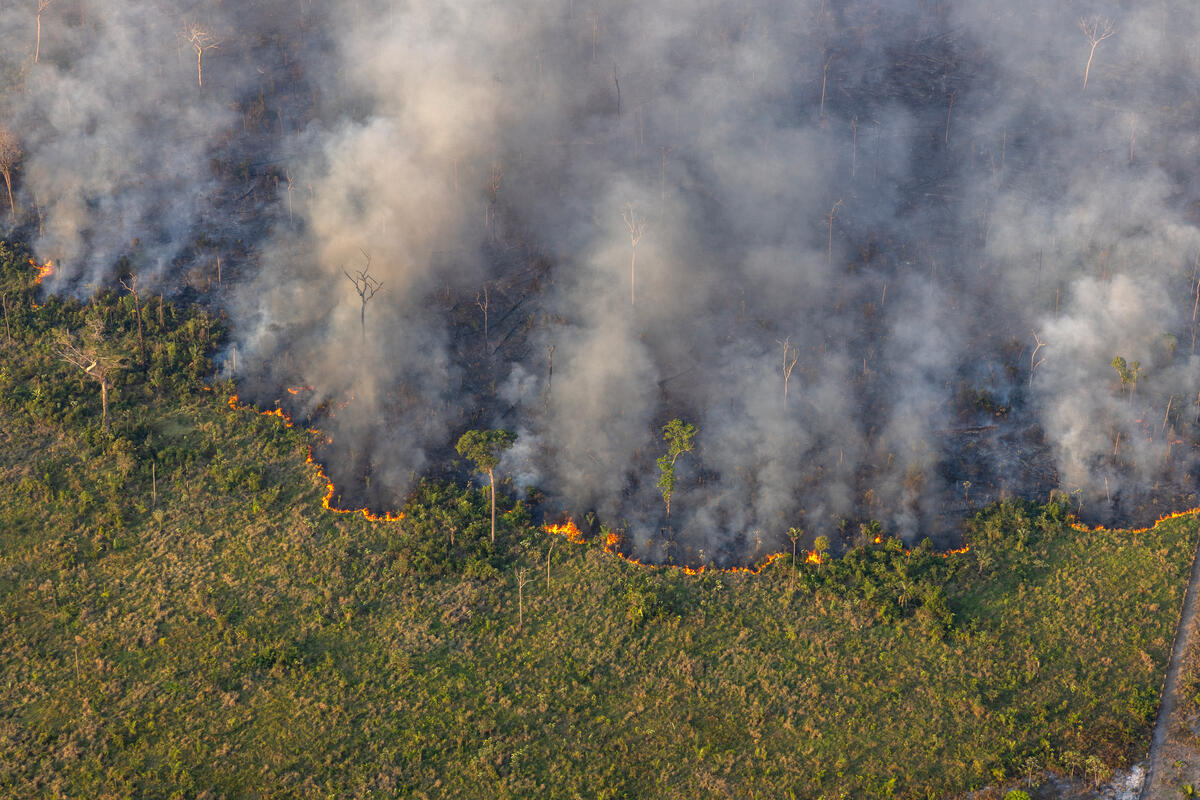
The 2026 edition of the Free Land Camp takes place at a pivotal moment for tropical forests. Across the Amazon, the Congo Basin and Southeast Asia, pressure is intensifying as extractive industries like illegal gold and nickel mining, agribusiness and large-scale infrastructure continue to expand, often enabled by government support or persistent inaction.
This escalation is not only accelerating forest destruction. It is reshaping the climate and impacting millions of people. According to a 2025 study, tropical deforestation between 2001 and 2020 exposed some 345 million people around the world to local warming, significantly intensifying heat stress and, in some cases, leading to death. The study estimates that up to 28 thousand deaths each year across the tropics are already linked to these changes.
This reality stands in sharp contrast to the commitments countries have made under the Convention on Biological Diversity (CBD). Through the Kunming-Montreal Global Biodiversity Framework, agreed in 2022, governments have pledged to halt biodiversity loss, protect at least 30 percent of land and oceans by 2030, and restore degraded ecosystems. Yet these commitments remain largely disconnected from the decisions that continue to drive deforestation and ecosystem destruction on the ground.
What is at stake is the survival of some of the world's most biodiverse regions and the incredible fauna and flora that live there, the stability of the climate and the planet as a whole, and the lives of millions across the world. The pathways to address these crises are not abstract: they are already being practiced in territories managed and defended by Indigenous Peoples and Local Communities (IPLCs), through forms of governance that sustain forests and biodiversity.
What the Free Land Camp and Indigenous resistance across the world show is that the question is no longer whether solutions to the climate and biodiversity crises exist, but whether global systems are willing to support and scale those who have been protecting forests for generations.
From the margins to decision-making
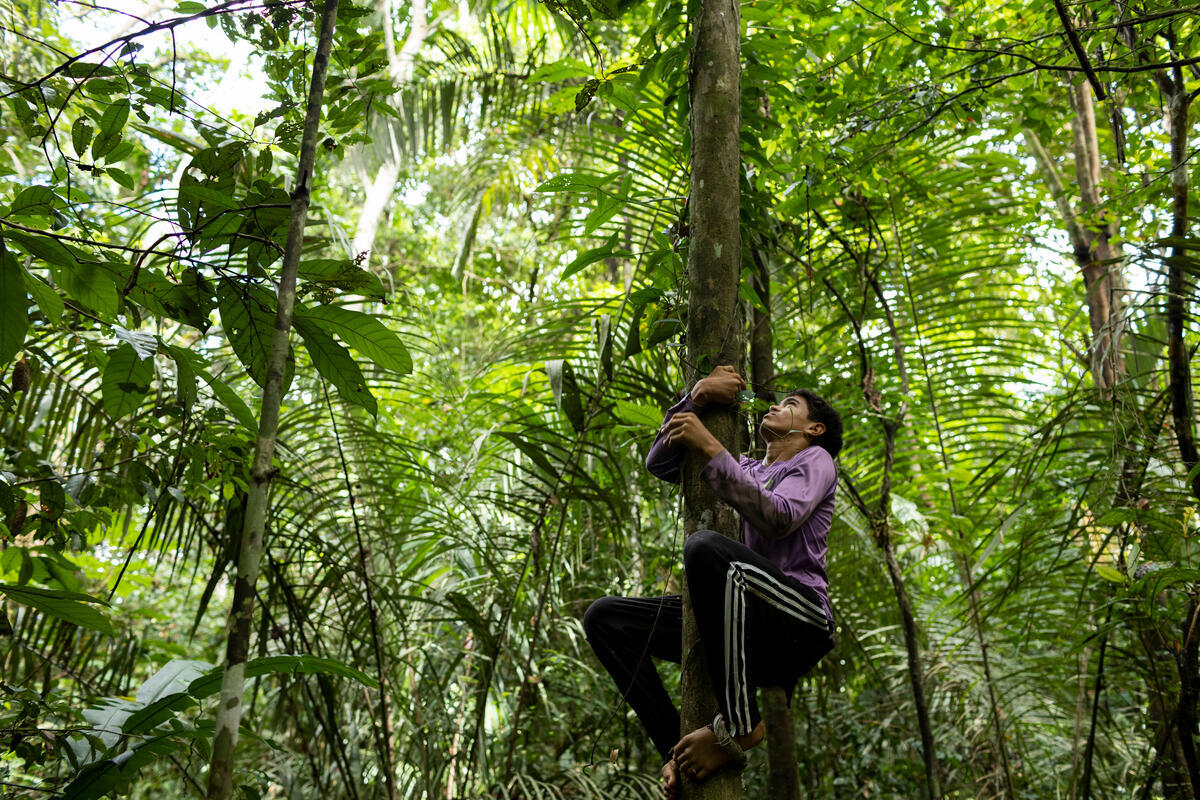
Despite their vital role in protecting forests, Indigenous Peoples and Local Communities (IPLCs) are often treated as secondary stakeholders in decisions about their territories. Their participation is limited, and access to financial resources is often stretched across multilateral spaces and national decision-making processes.
Changing this situation requires more than just inclusion. It means securing Indigenous and community land rights, recognising IPLCs as decision-makers and stewards of their territories, and ensuring they have direct access to funding that supports their livelihoods. Indigenous Peoples' way of life has sustained forests for generations and continues to do so despite increasing pressures. In a year that will shape the future of global biodiversity action, the direction is clear: the systems that have kept forests standing must be the ones that guide what comes next. We demand the immediate legal recognition of Indigenous territories and an end to illegal gold mining in critical biomes like the Amazon rainforest.
Ask political leaders to act on their promises to stop Amazon destruction.
Jaqueline Sordi is a Comms & Media Specialist for the Tropical Forest Campaign with Greenpeace International.


