
Wednesday 4 March
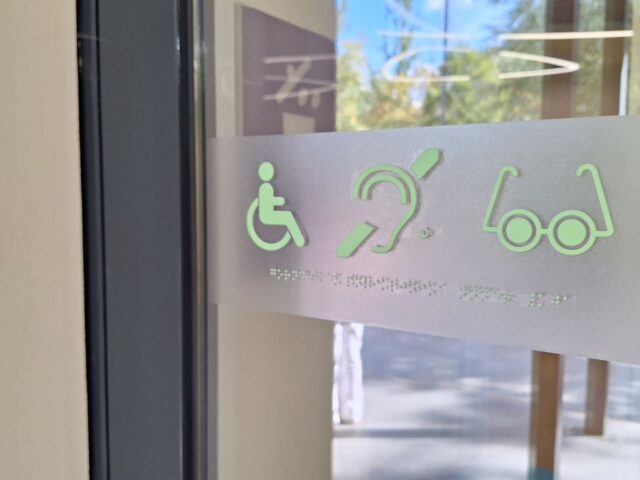
What does it mean to be "fully accessible"?
The term "fully accessible" is used in different settings. It can be used to describe Specialist Disability Accommodation, events, or buildings. In my own experience, when I have enquired about my own accessibility requirements in university lectures, events, or buildings I need to enter for job interviews or medical appointments, I have often been told that the events or spaces are "fully accessible".
However, I have never entered a space that is fully accessible because it's simply not possible to create true universal accessibility. To be fully accessible, you would need to meet the needs of every person, with or without disability.
Why doesn't fully accessible design exist?
We are all individuals with unique requirements and barriers. For example, I get migraines from bright lights and I have had colleagues who cannot see well in low light, or who cannot lipread or sign easily in low light. I also can get POTS flare ups from warm temperatures and have attended events with people who can get POTS flare ups from the temperature being set too cold.
Beyond conflicting access needs, a lot of times people don't understand what accessibility may involve beyond ensuring wheelchair accessibility. I live in Victoria and I am often frustrated by how poorly the built world is designed for people who use mobility aids where I live.
I'm so pleased when I do find new places that are fully wheelchair accessible, but I notice that these places might not be accessible for people with other types of disabilities, like people with low vision, hearing loss, or individuals who struggle with overwhelming sensory stimulation.
What can you do to make accessibility more universal?
Because people with disability have such varying needs, it can be difficult to make events, spaces, and buildings as accessible as possible and to meet everyone's needs at the same time. Universal design can be a great framework to start with. Universal design involves creating an environment that can be used by as many people as possible. Even with universal design, some people and their accessibility needs can be left out.
Beyond good design practices, I think mindsets and ways of demonstrating being "safe" and "accessible" are really helpful in making sure people who might have less common accessibility requirements feel like they can reach out to find out ways they may be able to participate.
It can also be really helpful to explain what you might expect to experience in a space. For example, you can give detail about seating, lighting, noise, smells, and temperature in event descriptions. Not only does this help people decide whether something might be suitable, it can make it feel safer to reach out and ask questions if you know an organisation or event organiser cares and is thinking outside the box.
In my experience, there is no quick fix or simple solution to making accessibility for all. I think the most important thing to do is to keep trying to make improvements, be open to thinking outside the box and supporting different needs, being approachable, and providing information so people can make informed decisions about the way they participate in society.


