
Geneva, Switzerland - On the International Day of the World's Indigenous Peoples, UNITAR and the CIFAL Global Network recognize the contributions, rights and knowledge systems of Indigenous Peoples, as well as their essential role in advancing sustainable development. Spanning over 90 countries and representing more than 476 million individuals, Indigenous communities embody rich cultural heritage, ancestral languages, and profound ecological wisdom.
The annual observance also draws attention to continuing challenges, including infringements of land rights, political marginalization and disproportionate exposure to the effects of climate change.
The United Nations Declaration on the Rights of Indigenous Peoples (UNDRIP) provides an international framework for protecting the individual and collective rights of Indigenous Peoples. Together with the 2030 Agenda for Sustainable Development, it underlines the importance of self-determination, participation and inclusion in decisions affecting Indigenous communities.
Connecting UNDRIP and the Sustainable Development Goals
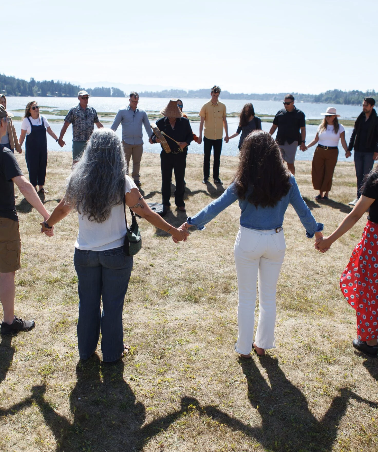
Established in 2021 at the University of Victoria in Canada, CIFAL Victoria advances both the Sustainable Development Goals (SDGs) and UNDRIP through educational initiatives and research partnerships.
Its work recognizes the importance of Indigenous knowledge systems in areas such as biodiversity conservation, natural-resource management and climate adaptation. It also highlights the relationship between respecting Indigenous rights and achieving several SDGs, including SDG 10 on reduced inequalities and SDG 16 on peace, justice and strong institutions.
Principles such as self-determination and free, prior and informed consent are particularly important when policies, research or development initiatives affect Indigenous Peoples, their territories or their resources.
CIFAL Victoria works with initiatives such as the Balance Co-Lab, which brings together Indigenous organizations and university-based researchers. The collaboration supports decision-making and impact assessment informed by Indigenous knowledges, values and governance systems.
Grounded in interconnectedness, respect and reciprocity, the initiative aims to support community self-determination and well-being. CIFAL Victoria also collaborates with research bodies on climate change and natural-resource management, with an emphasis on the participation of Indigenous community leaders in environmental decision-making.
Supporting locally grounded action
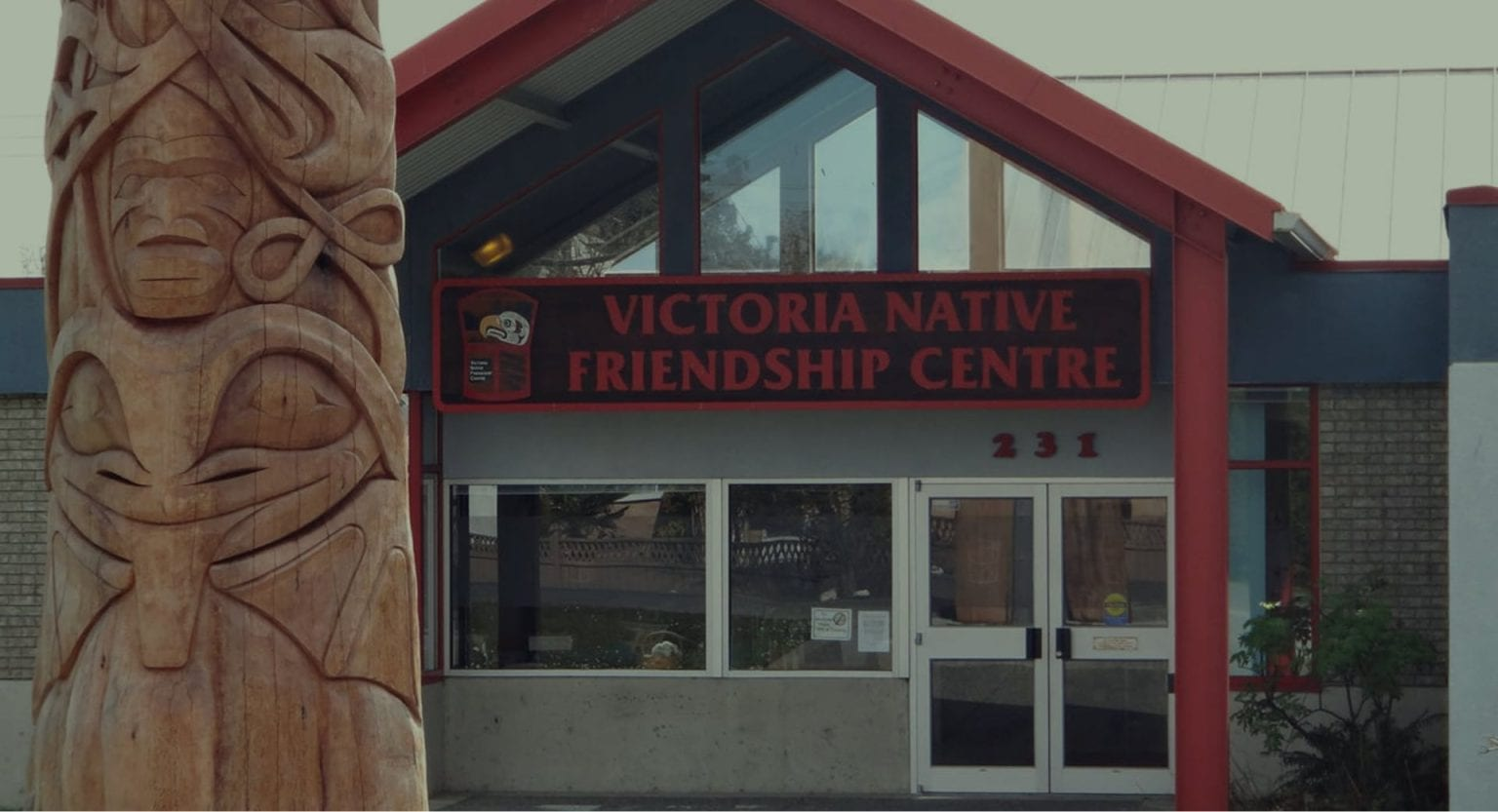
Across the CIFAL Global Network, locally focused initiatives connect Indigenous priorities with regional governance and sustainable development. The work described by the Network includes integrating Indigenous water ethics into municipal water management and aligning traditional approaches to land management with local climate-action planning.
Other efforts support Indigenous youth in developing skills related to sustainable business, digital resilience and ecotourism. These initiatives reflect the importance of adapting capacity development to local contexts and developing partnerships in collaboration with the communities concerned.
Indigenous Peoples hold diverse cultures, languages, governance systems and bodies of knowledge. Their experiences and priorities cannot be represented through a single perspective. Meaningful cooperation therefore requires listening to the Peoples and communities concerned and respecting their right to participate in decisions that affect them.
Looking Ahead: Building Sustainable Futures Together
The International Day of the World's Indigenous Peoples 2026 serves as an urgent reminder that a sustainable, equitable future is unachievable if built on the exclusion of ancestral wisdom. Through the dedicated efforts of CIFAL Victoria, UNITAR, and the CIFAL Global Network, international commitments are being converted into daily, practical action.
By respecting self-determination, honouring traditional knowledge, and forging genuine partnerships rooted in reciprocity, the International Community moves closer to a world where every Indigenous community thrives with dignity, equity, and peace.


