

Offering a unique and supportive pathway into employment for people with intellectual disability, Flinders University will lead a national first in 2026, with the launch of a new Diploma of Employment Pathways.
Combining university study, career planning, employability skills, and work placement, the one-year diploma provides students with tailored support, and opportunities to engage with community and industry partners, building a pathway to the workforce.
Developed by Flinders academics and building on more than two decades of inclusive education research and teaching through Flinders' Up the Hill Project, the program represents a major step forward in higher education in Australia.
Dr Fiona Rillotta, Senior Lecturer in Disability and Community Inclusion in the College of Nursing and Health Sciences and leader of the Up the Hill Project, says the initiative marks a turning point in access and opportunity.
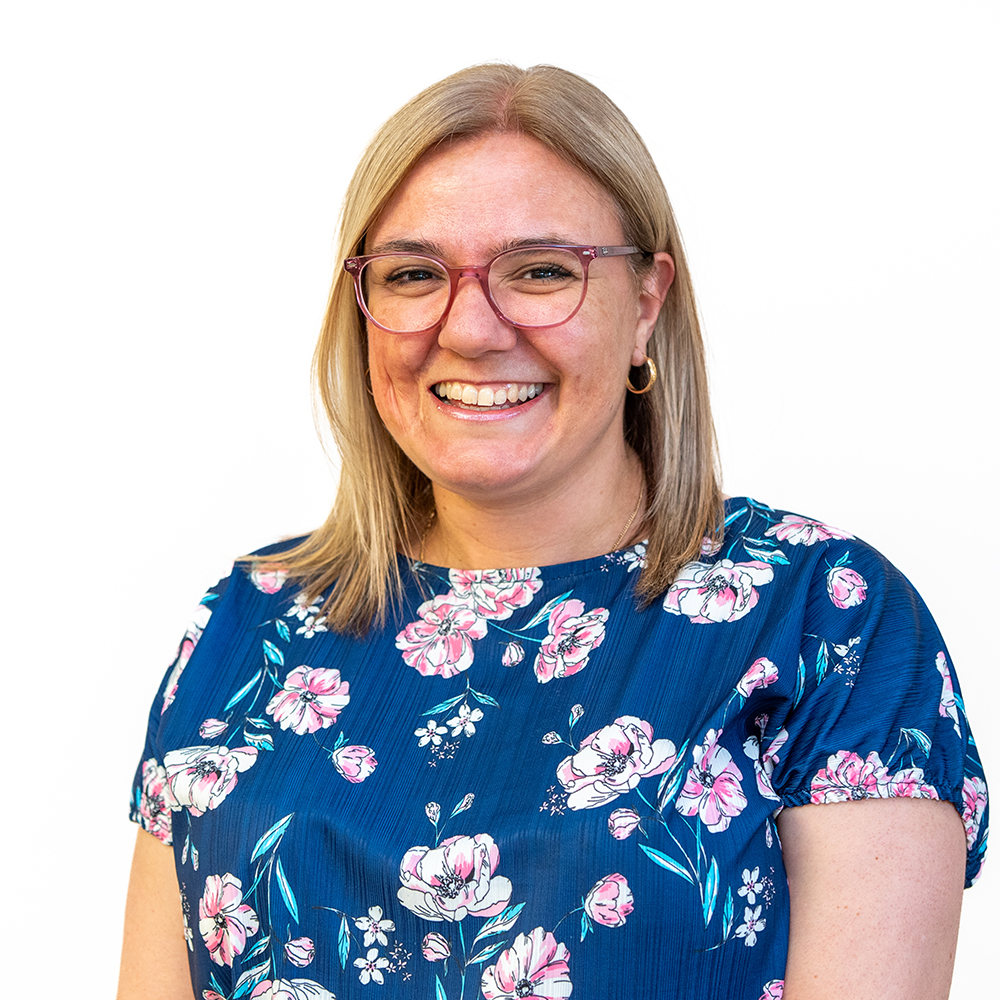
"This is Australia's first university diploma designed specifically for people with intellectual disability," says Dr Rillotta. "It will provide solid employment pathways, not just helping students get a job, but supporting them to build a career.
"Lifelong learning and access to education are human rights, and everyone should be afforded the opportunity to continue their post-school education. Through this diploma, we're showing that people with intellectual disability can succeed at university and contribute their skills and perspectives in the workforce."
Informed by lived experience advisors, the diploma offers a blend of existing university topics alongside new subjects tailored to developing skills for learning and work. Entry will be inclusive, assessed through a portfolio and interview process, rather than ATAR scores.
The diploma builds on the success of Flinders' long-running Up the Hill Project, which for 26 years has supported people with intellectual disability to participate in university life but didn't lead to a distinct qualification.
"In recent years, we've had students complete topics in areas such as nursing, anatomy and exercise science, showing what's possible when inclusive learning is supported," says Dr Rillotta. "Now, we're taking the next step by offering a qualification that can lead directly to meaningful employment in the student's area of interest."
For a number of years, Dr Rillotta has led detailed analysis of the Up the Hill Project, examining why people with intellectual disability might choose to go to university, as well as outcomes for and perspectives of students, staff and peers. The research has prompted continuous improvement in the program as well as the university, and provided an avenue for the voices of participants to be heard.
The analysis shows that people with intellectual disability can achieve great results, and that systems can make changes to benefit everyone.
"University education will result in employment outcomes - not just getting a job but building a career - but Australia is lagging behind in providing evidence to support crucial educational developments for people with intellectual disability," says Dr Rillotta.
"This diploma is not only for our students, but also about creating an evidenced-backed model that can be adopted by other universities across Australia to make higher education genuinely inclusive."
The first intake of students in 2026 will include school leavers, previous Up the Hill Project participants seeking a qualification, and candidates referred through partners such as Community Bridging Services (CBS) and the South Australian Council on Intellectual Disability (SACID).
"We are excited about this turning point, because through this new diploma, we will work towards broader implementation - with more universities across Australia being more inclusive of students with intellectual disability who wish to pursue further study and employment pathways," says Dr Rillotta.


