
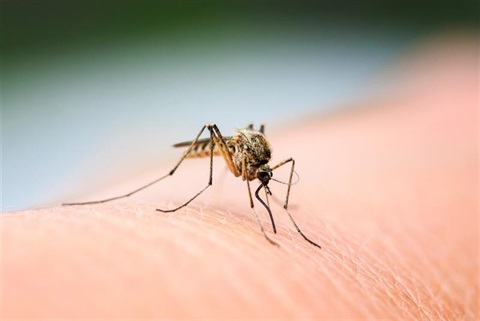
Rockhampton Regional Council is reminding residents that heavy rainfall, flooding and hot weather brings an increased risk of mosquito activity.
With water beginning to pool and slow to a standstill in some parts of the region, the conditions are ideal for mosquito breeding. Council has already begun ramping up its mosquito management plans to help reduce potential impacts.
Local Disaster Management Group Chair and Rockhampton Regional Council Mayor Tony Williams said that while it takes several days for the mosquito breeding cycle to complete, Council is acting early and community awareness remains essential.
"We've already started by treating and misting areas that are known mosquito breeding sites or areas where there are large pools of stagnant water," Mayor Williams said.
"Misting will continue as required, it is an ultra low volume spraying which releases a very fine mist designed to target adult mosquitos.
"Misting is done early in the morning or late in the afternoon when the mosquitoes are most active to ensure that is it as effective as possible, and it's not harmful to people, pets or wildlife as the droplets are so fine and disperse quickly.
"Some mosquito species that breed in ground pools, swamps and your backyard can carry diseases such as Ross River virus, Dengue Fever and Barmah Forest Fever, so it's important to stay alert and regularly check your property for potential breeding spots.
"Fortunately, there are simple steps residents can take at home to help reduce mosquito numbers.
"It's also important to protect yourself when you're out and about to avoid mosquito bites."
How to reduce mosquito breeding around your home
Inspect your house and yard and remove any accumulation of water by:
- Removing water and wiping containers such as pot plant saucers and animal water bowls with a clean cloth every four days, then disposing of the cloth in the rubbish.
- Filling pot plant bases with sand or pebbles.
- Maintaining, cleaning and chlorinating swimming pools.
- Washing out birdbaths, fishponds and ornamental pools weekly, and where possible, stocking them with suitable native fish.
- Washing out bromeliads and other water‑holding plants weekly.
- Removing any containers that could hold water.
- Keeping gutters clean and in good repair, and trimming back trees that may block gutters.
- Ensuring rainwater tanks are properly screened.
- Drilling drainage holes in tyres used for swings or garden borders.
- Capping brick walls made of Besser or other cavity bricks to prevent water pooling.
- Overturning boats, canoes and dinghies, or removing drain plugs so they cannot hold water.
How to protect yourself from mosquito bites
Residents can further reduce the risk of mosquito‑borne disease by:
- Screening windows and doors to keep mosquitoes out.
- Limiting time outdoors at dawn and dusk when mosquitoes are most active.
- Wearing light‑coloured, loose‑fitting clothing such as long‑sleeved shirts and pants.
- Using mosquito nets, coils, personal repellents and ceiling fans.
- Sleeping under a mosquito net if your home is unscreened or when camping.
- Using air conditioning, fans and mosquito coils to deter mosquitoes.


