
The ILO is strengthening the capacity of Technical and Vocational Training (TVT) practitioners to equip trainees with skills for emerging green jobs, changing occupations and a more sustainable world of work. Through its Global Skills Programme, funded by Norway, the ILO brought together TVT instructors, labour and skills experts and other stakeholders in Bahir Dar for four days of practical learning, group work and action planning focused on how skills development can support Ethiopia's green transition.
A central message from participants was that the learning should not remain in the training room. They identified concrete ways to bring green skills into lesson plans, curricula, training workshops and institutional practices, ultimately helping trainees build skills that can strengthen their employability and prepare them for a changing labour market.
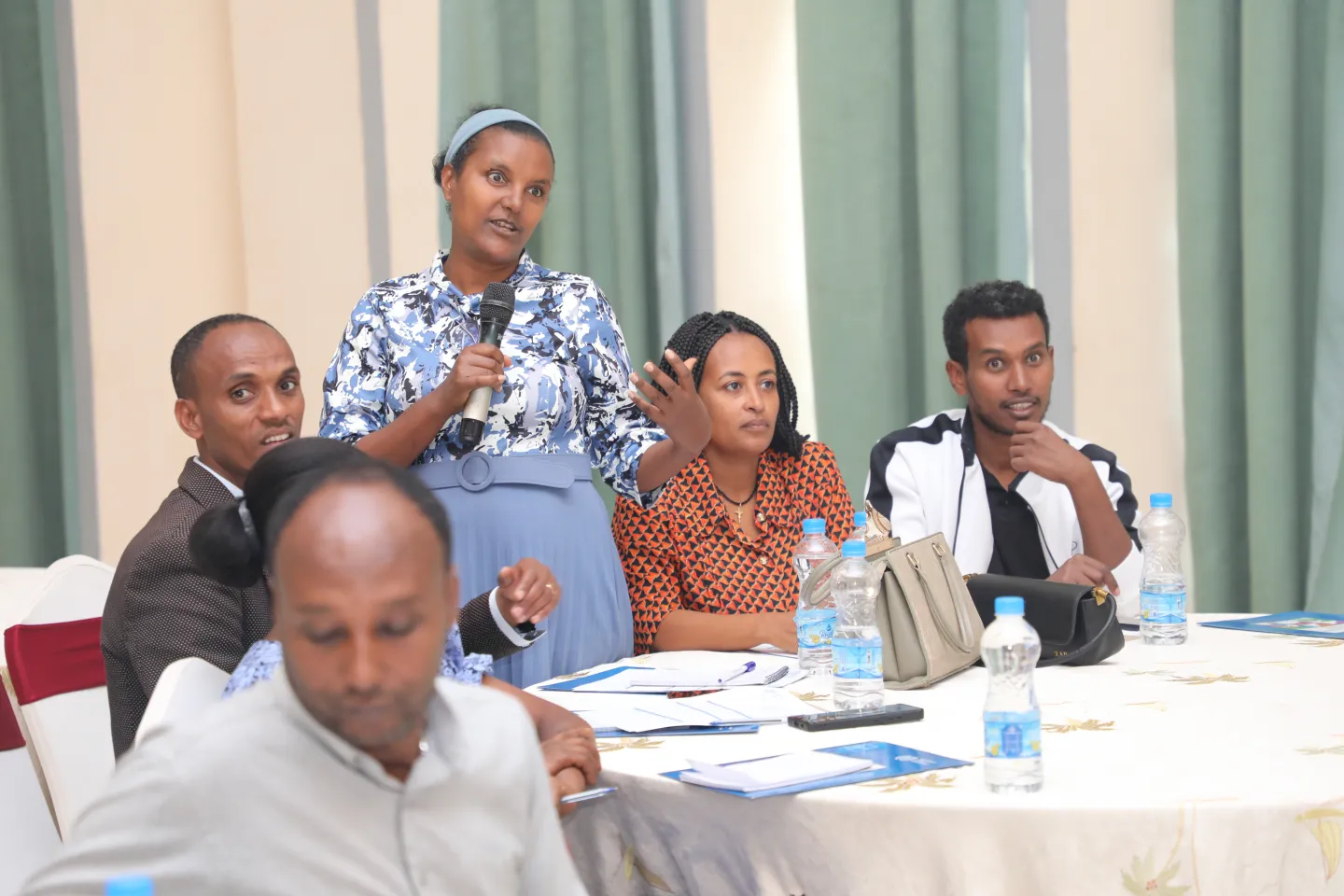
"Integrating sustainability principles into TVT curricula is essential for modern workforce readiness," said Seblewengel Welelaw, Department Head, Bahir Dar Polytechnic College. She noted that climate change and the green transition require technical professionals to adopt environmentally friendly practices, use resources efficiently and apply sustainable technologies in their daily work.
For Seblewengel, the next step is practical. She plans to integrate green competencies into lesson plans, facilitate capacity-building sessions for colleagues and assess how her institution can introduce more environmentally friendly and energy-efficient practices in its training workshops. She also highlighted the importance of ensuring that women and marginalized groups have equal access to the opportunities created by the green transition.
© ILO/Homa M Ejeta
Preparing trainees for changing jobs
For TVT institutions, the green transition is not only an environmental issue. It is also about whether young people and workers have the practical skills to respond as occupations, technologies and workplaces change.
Participants highlighted the potential for TVT institutions to equip learners with practical skills in resource efficiency, waste reduction and sustainable working practices. Strengthening these competencies can help graduates respond to evolving employer needs while opening pathways towards green enterprises and decent employment.
The goal is "to enable TVT graduates to adapt to changing labour market demand, create green business, access decent employment and contribute to a fair and inclusive transition towards a green economy," said Abebaw Tarekegn, Instructor, Bahir Dar Polytechnic College.
The training explored how the transition towards a more environmentally sustainable economy can create new employment opportunities while also changing tasks and skills in existing occupations. Participants examined why reskilling and upskilling matter for workers, and how training systems can better anticipate and respond to changing demand.
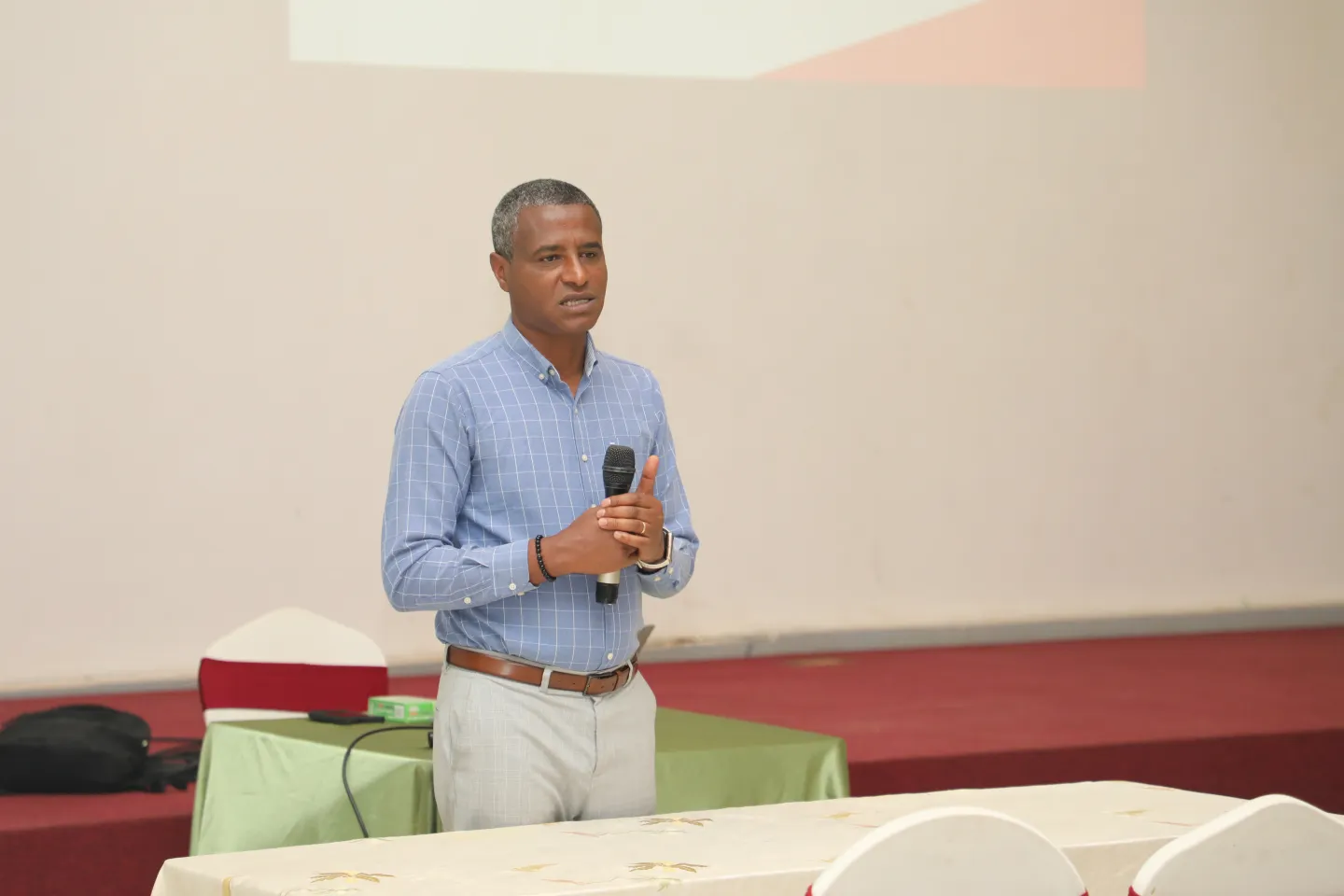
Belete Demel, College Dean, Durbete Polytechnic College emphasized the role colleges themselves can play in translating environmental sustainability into practical skills for both instructors and trainees.
"TVT colleges should update the curriculum and provide continuous training with green technologies," he said, highlighting the need to develop the practical skills required for emerging green careers.
He also pointed to practical changes within institutions, including more efficient use of resources, better waste management and reducing environmental pollution, showing how green skills can influence both what trainees learn and how training institutions operate.
Learning by doing
The four-day programme was designed around participation rather than lectures alone. Alongside presentations, participants worked in groups and plenary sessions to discuss the opportunities and challenges created by the green transition, examine changing skills needs and connect the concepts to their own institutions and areas of work.
© ILO/Homa M Ejeta
Group work gave participants space to explore practical questions: what changes are needed in curricula, how training can respond to emerging occupations, what role TVT institutions can play in protecting workers and the environment, and how green skills can be integrated into everyday teaching and workshop practice.
These exchanges also connected broader issues, including environmental sustainability, green jobs, social dialogue, worker protection and lifelong learning, with decisions that instructors and institutional leaders can influence directly. Participants discussed how competency standards, curricula and training materials can evolve so that learners graduate with skills that are relevant to a greener economy.
From discussion to action
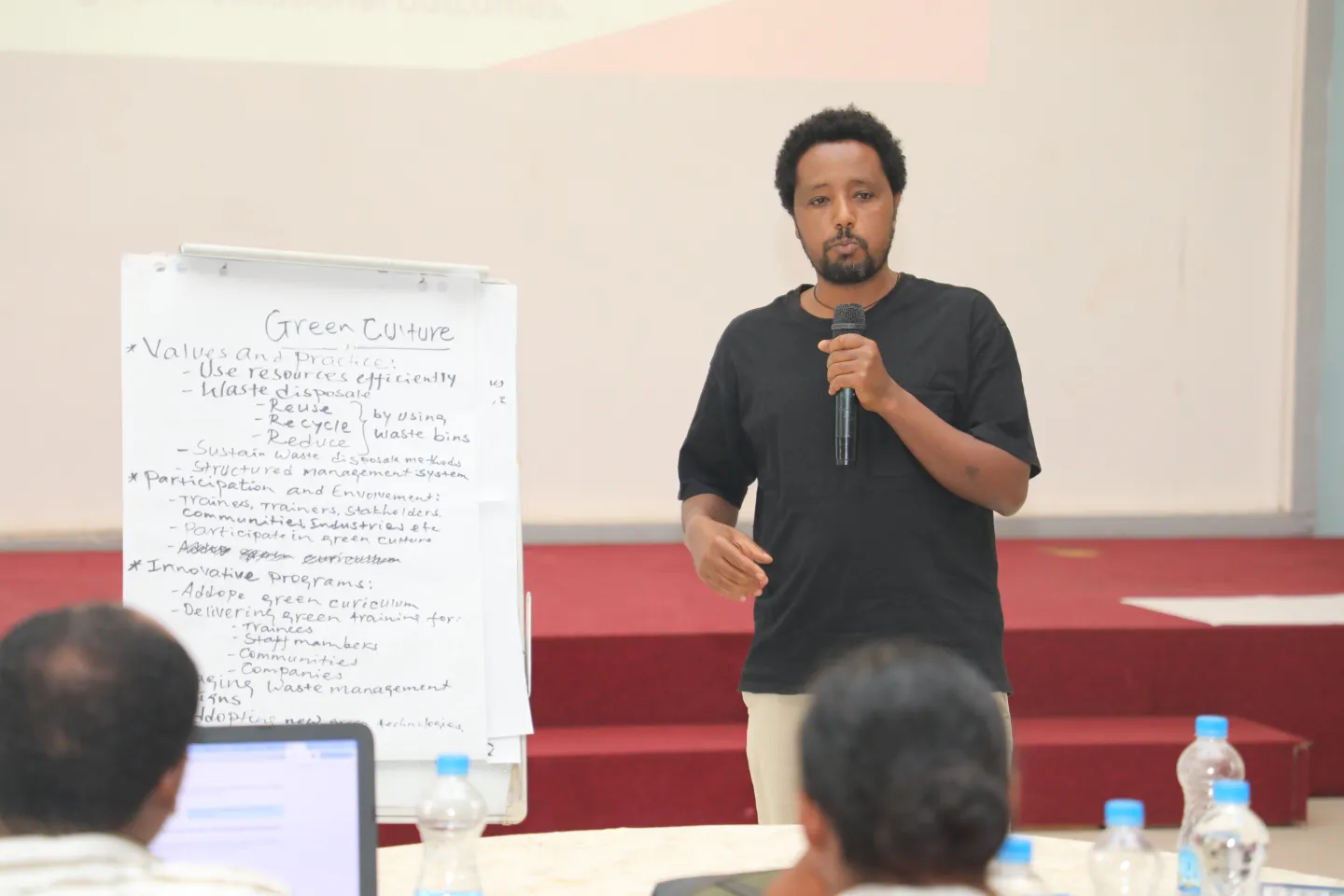
The training concluded by moving from learning to implementation. Participants developed action plans focused on mainstreaming green TVT approaches into curricula and training materials and identifying steps they can take within their own institutions.
Those plans build on the practical intentions expressed in their insights, from revising lesson plans and sharing new approaches with colleagues, to improving resource use in training workshops and strengthening learners' exposure to green technologies.
© ILO/Homa M Ejeta
By building the capacity of instructors, college leaders and other actors within the skills system, the initiative has the potential to extend its impact beyond those who attended the training. When trainers can translate green competencies into teaching and institutions can embed them in programmes, successive groups of trainees can be better prepared to adapt to changing occupations, pursue emerging opportunities and contribute to a just transition.
About ILO's Global Skills Programme
ILO's Global Skills Programme supports countries in building inclusive, demand-driven skills systems. It promotes lifelong learning to help individuals adapt to evolving labour markets. The programme emphasizes social dialogue, equitable access and quality assurance in skills development. It aligns with the 2030 Agenda for Sustainable Development, aiming to enhance employability and productivity worldwide.
The Global Skills Programme is funded by Norway, through Norad, the Norwegian Agency for Development Cooperation.


