
A new study has found that while police officers play a vital role in responding to mental health emergencies, a lack of coordination between agencies is hampering efforts to provide effective care.
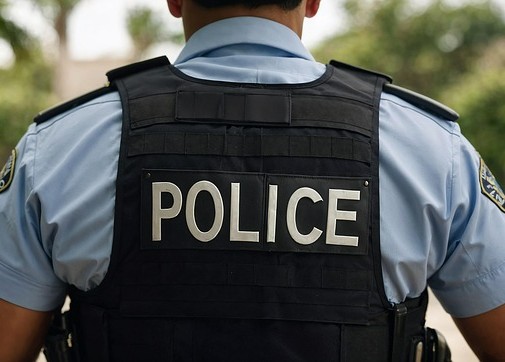 Police officers consistently reported mental health emergencies were not their responsibility
Police forces across England and Wales continue to respond to a significant number of mental health-related incidents, despite policy efforts to scale back their involvement through initiatives such as the Right Care, Right Person (RCRP) policy.
Researchers at the University of York and the University of Worcester as part of the ESRC Vulnerability & Policing Futures Research Centre, who observed officers in two police forces and interviewed more than 70 professionals, service users, and carers, found that officers often face complex situations requiring rapid judgment and de-escalation, skills that are not always supported by mental health expertise or consistent inter-agency guidance.
Police officers consistently reported that they did not join the police to respond to mental health emergencies, which was the responsibility of other agencies. However, mental health professionals do not feel best placed to intervene, particularly when restraint in community locations is required. Similarly, paramedics described themselves as a 'dumping ground', having to deal with situations which other agencies would not respond to.
First responders
Professor Martin Webber, from the University of York's School for Business and Society and Vulnerability & Policing Futures Research Centre, said: "Police officers are often the first responders to mental health crises, yet they aren't always the right agency to help. Better coordination between police, mental health services, and ambulance teams is essential for a more joined-up and effective response."
The study revealed three key challenges: varying police capability in dealing with mental health incidents, weak inter-agency communication, and inconsistencies in the implementation of national policy.
Professor Elizabeth Hughes, from the University of Worcester and Vulnerability & Policing Futures Research Centre, said: "While many officers demonstrate strong communication and risk assessment skills, we found wide variation in how mental health-related calls are identified and managed.
"Access to specialist advice, such as mental health triage teams, differs from one area to another, leaving officers uncertain about whether to treat behaviour as a criminal issue or a symptom of illness."
Blurred lines
Participants across policing, ambulance, and mental health services described blurred lines of responsibility during crises. They also reported different approaches to managing risk, which often led to delays or conflicting decisions. Some professionals reported that limited communication and trust between services resulted in repeated or missed responses.
Professor Webber said: "Although the Right Care, Right Person policy has reduced police attendance at mental health incidents, we have shown that it has also created new problems. In some cases, mental health services "game the system" to prompt police involvement, while officers sometimes withdraw too early, leaving vulnerable people without immediate support.
"We argue that policy must adopt a whole-systems approach, which means ensuring consistent cooperation and shared responsibility between police, health, and social care services."
Lived experience
The report situated these challenges within a broader rise in mental health problems in the UK, exacerbated by the COVID-19 pandemic and social inequalities such as debt, unemployment, and homelessness.
The authors call for more research into how police encounter people with mental health problems outside crisis situations, for example, during routine interactions such as crime reporting or community policing. They also recommend including more voices of people with lived experience and their carers to better understand what kind of responses are most supportive.


