
For a long time, launching something beyond Earth was reserved for a relatively small number of national space programmes. That is changing.
Reusable rockets, commercial launch providers, start-ups, university teams and new national space actors are contributing to a rapidly evolving space sector.
That shift is at the heart of this year's World Space Week theme, Rocket revolution, which explores how new technologies, falling launch costs and a growing range of actors are transforming access to space.
World Space Week, marked annually from 4 to 10 October since 1999, brings together students, scientists, educators, space professionals and enthusiasts from around the world.
Learn more here .
New era of access to space
Widening access brings new opportunities for countries to use space technology to address national priorities, support sustainable development and grow their economies.
"More countries, institutions and communities than ever before now have the opportunity to use space for science, Earth observation, communications and solutions to challenges here on Earth," said Aarti Holla-Maini, head of the UN Office for Outer Space Affairs (UNOOSA).
Satellites support communications, navigation, weather forecasting, disaster response, environmental monitoring and many other services that people rely on every day.
At the same time, a rapidly growing commercial space sector is creating new opportunities for businesses, researchers and entrepreneurs. Countries are eager to join a global space economy on a trajectory towards becoming a trillion-dollar industry by 2030.
For countries and communities that have historically had fewer opportunities to participate in space activities, this growth is opening new pathways to build expertise, develop local space industries and benefit from the expanding space economy.
Making space more accessible
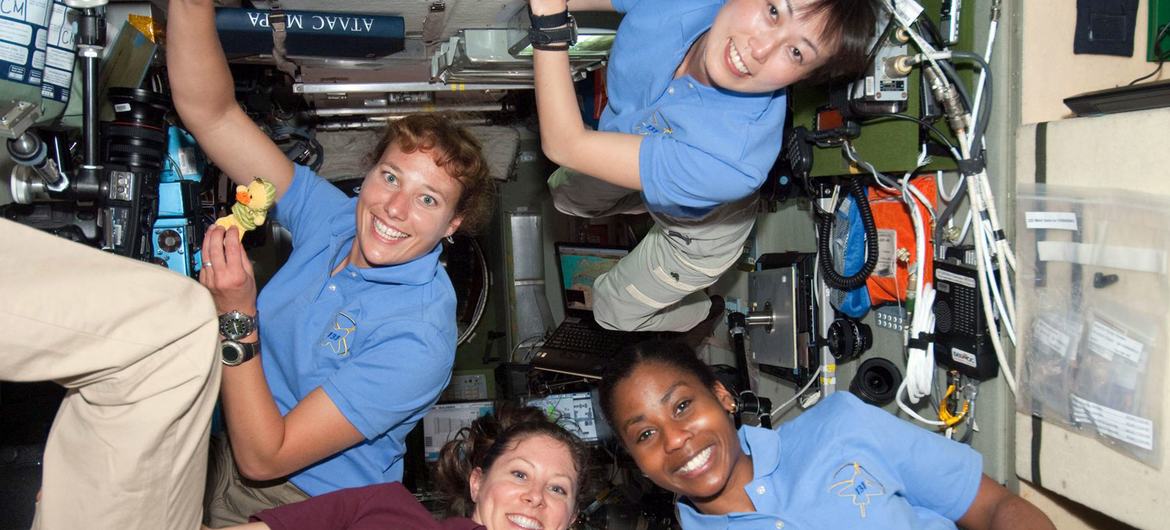
Access is not only about who can launch a rocket, but about who has the knowledge, skills, infrastructure and opportunities to participate in the space sector, and who gets to contribute to shaping its future.
This is an important part of the work of UNOOSA, which helps emerging space nations, institutions and individuals in developing countries gain access to space-related technologies, facilities, research opportunities and capacity-building.
In a bid to build the knowledge and skills needed to participate in the space sector, the UN agency supports a range of initiatives, including Access to Space for All , Global Space Law Project , Space4Women and Space4Youth .
As access to space expands, the UN is working to ensure that all countries and communities can benefit from it, including those without the resources to reach orbit themselves.
Here's a snapshot of activities over the past year:
- Hands-on satellite development training for aspiring space engineers through the KiboCUBE Academy
- Astronaut training at NASA Space Camp for young people selected through the Space4Youth competition
- Satellite launch and deployment opportunities through programmes such as KiboCUBE, the Payload Hosting Initiative and EXOpod
- Targeted space law advisory missions to countries developing their national space laws and policies
What's space law? Find out below:
More access means more responsibility
A changing space sector also raises questions about how activities beyond Earth are governed.
The Committee on the Peaceful Uses of Outer Space (COPUOS), established in 1959, is the UN body charged with promoting international cooperation in the exploration and peaceful use of outer space, and the world's leading multilateral forum for space governance.
Its work may not always make headlines in the way a rocket launch does, but many of the questions being discussed there will influence what space activities look like in the years ahead.
"Greater access to space also brings greater responsibility," says UNOOSA chief Holla-Maini. "As more actors reach orbit, international cooperation becomes more important, not less."
Space traffic to lunar activities
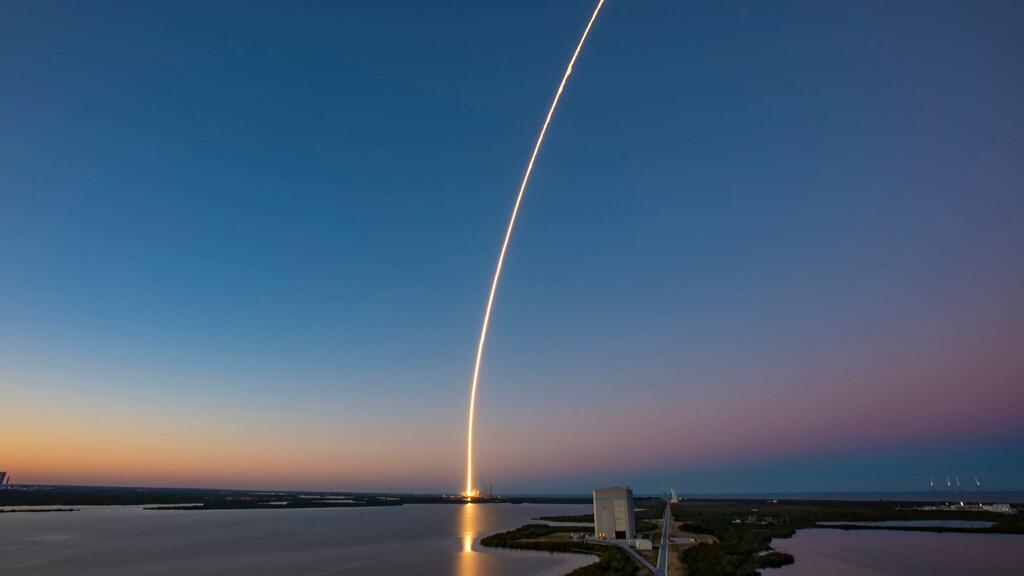
As more countries and companies operate in space, COPUOS is addressing issues ranging from the coordination of lunar activities and space traffic to the use of nuclear power sources in space, space debris and the use of space resources.
In 2025, for example, the committee established an Expert Group on Space Situational Awareness to strengthen international cooperation and information-sharing as activity in orbit increases.
Its Action Team on Lunar Activities Consultation is also examining how countries can better coordinate the growing number of activities on and around the Moon.
With more actors, more technology and more activity in orbit and beyond, the questions of access and international cooperation at the heart of this year's World Space Week are likely to become even more important.
Bringing the rocket revolution down to Earth
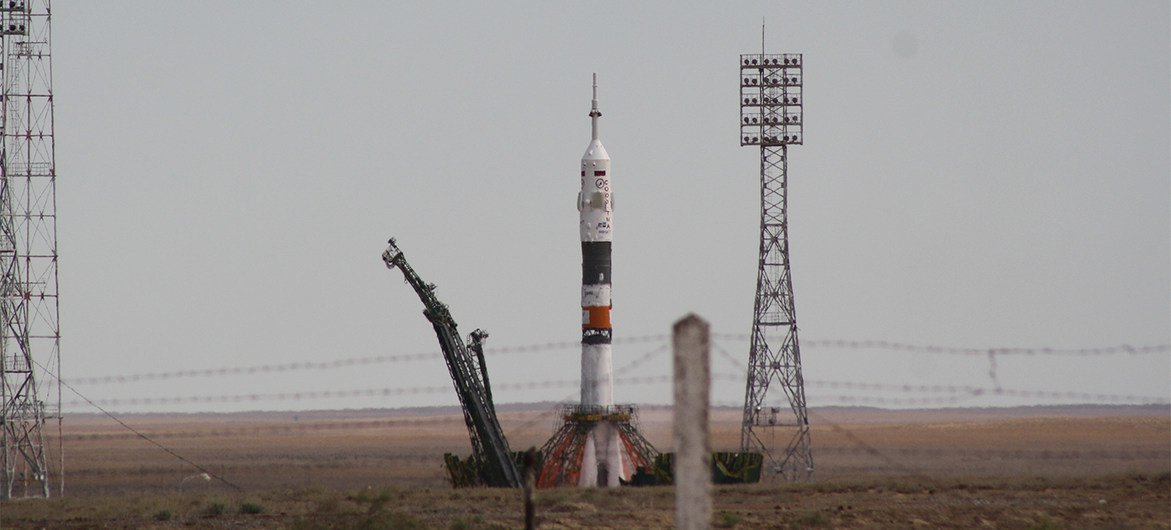
More than 50,000 events are planned in over 100 countries for this year's World Space Week.
You do not have to go to space to be part of the space community. As access to space changes, so too do the ways people can participate in it.


