
The LGM-35A Sentinel intercontinental ballistic missile program is rapidly moving from digital design to tangible reality, marked by the recent groundbreaking for a full-scale launch silo prototype in Promontory, Utah. This milestone marks a key step in modernizing the land-based leg of the nation's nuclear triad.
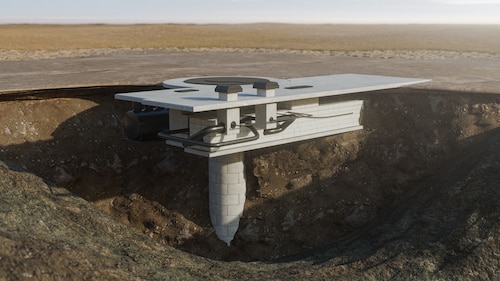
Developed in partnership with prime contractor Northrop Grumman, the silo prototype will validate a modular, repeatable construction approach designed to accelerate fielding, reduce cost growth and enable learning before full-rate production. The shift to building new silos-rather than refurbishing legacy Minuteman III infrastructure-preserves uninterrupted alert coverage while enabling a modern, adaptable architecture.
"The new silo design delivers operationally relevant capability on a predictable cost and schedule," said Gen. Dale White, director, Critical Major Weapon Systems for the Department of War. "We are accelerating delivery while ensuring the system is sustainable and ready for Airmen to operate for decades."
The silo prototype builds on a series of milestones demonstrating continued program momentum. Construction is underway on a new Wing Command Center at F.E. Warren Air Force Base, Wyoming, and the program has demonstrated all propulsive elements of the Sentinel missile. These include test firing stages-one, two and -three and completing a hot fire test of the post boost propulsion system, reducing technical risk as the program advances toward a planned 2027 flight test.

"This prototype is a critical step in proving the design and reducing risk before production," said Brig. Gen. William S. Rogers, Air Force program executive officer for intercontinental ballistic missiles. "We are executing a disciplined acquisition strategy to deliver a fully integrated, operational weapon system on schedule."
As the program advances, operational leaders emphasize the importance of delivering a system ready for the Airmen who will execute the mission.
"Sentinel is foundational to our no-fail mission, and this work helps deliver a weapons system that is more safe, more secure, and more effective on day one," said Gen. S.L. Davis, commander of Air Force Global Strike Command. "This modernization effort will provide uninterrupted deterrence and ensure the readiness of the ICBM force for decades to come."
The unified effort across the Sentinel program office, Air Force Global Strike Command and U.S. Strategic Command reflects a shared commitment to this national priority. Sentinel remains on track to field initial capability in the early 2030s, ensuring a safe, secure, and credible land-based deterrent for decades to come.


