
- The World Economic Forum's Annual Meeting of the New Champions 2026 took place this week in Dalian, China.
- Also known as Summer Davos, the meeting welcomed over 1,700 leaders from over 90 countries.
- To explore the key highlights, browse the must-read articles, public sessions and interviews below.
Against a backdrop of shifting trade patterns, rapid technological advances and persistent geopolitical tensions, the World Economic Forum's Annual Meeting of the New Champions 2026 took place this week in Dalian, People's Republic of China.
Known as Summer Davos, the meeting was held under the theme Innovating at Scale, exploring how societies can bridge the gap between technological breakthroughs and broad-based economic benefit. More than 1,800 leaders from business, government, civil society and academia gathered to discuss the opportunities and challenges shaping the global economy.
If you missed the daily highlights, read our liveblogs from Day 1 , Day 2 and Day 3 . Or, browse our collection of must-read articles, public sessions and interviews below.
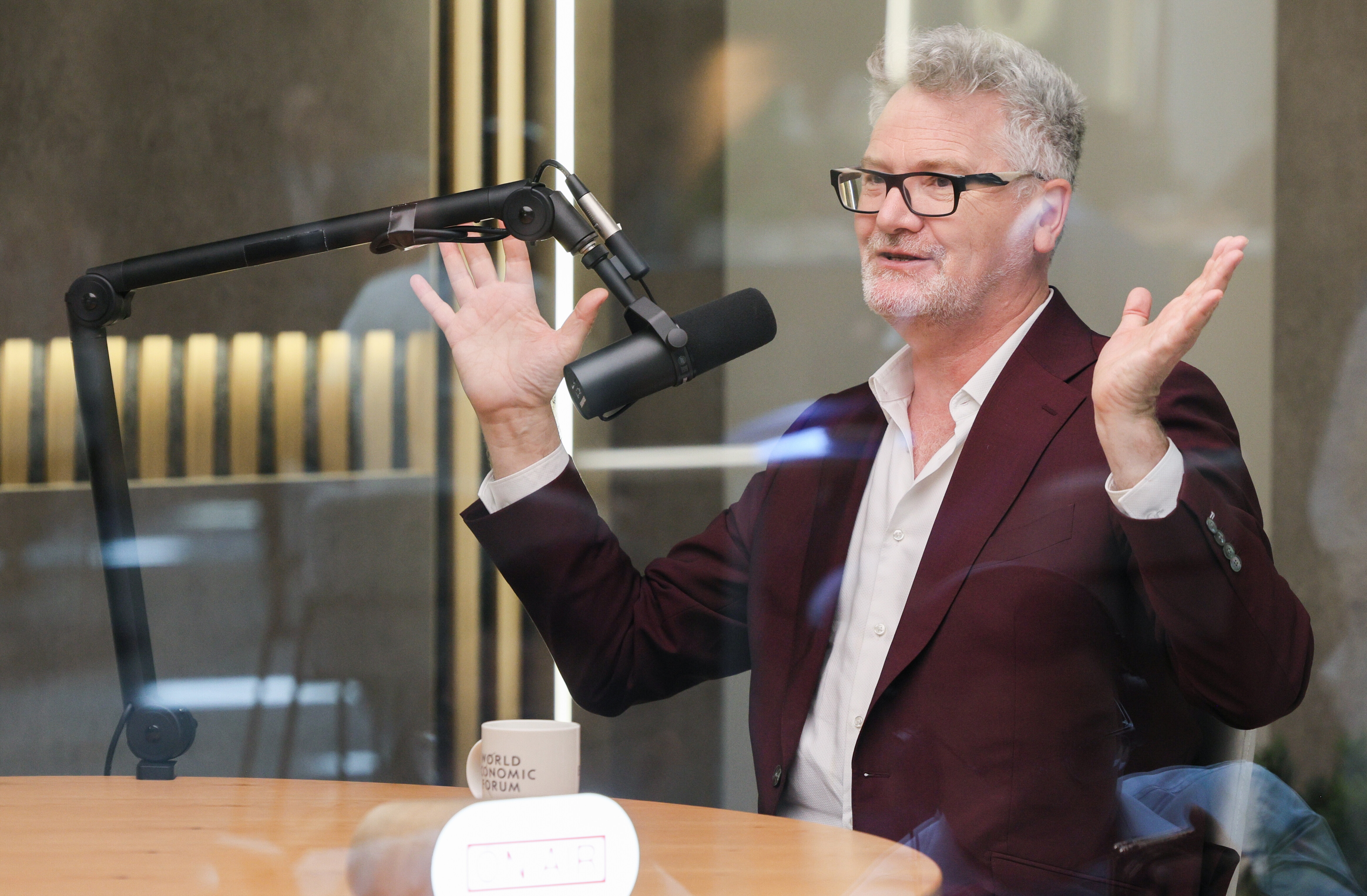
The Iran war changed (just about) everything
The effects of the Iran war and closure of the Strait of Hormuz were inescapable at this year's Summer Davos. The meeting was held as negotiations to end the conflict were underway, but there were wide-ranging discussions about lasting impacts.
Find out more:
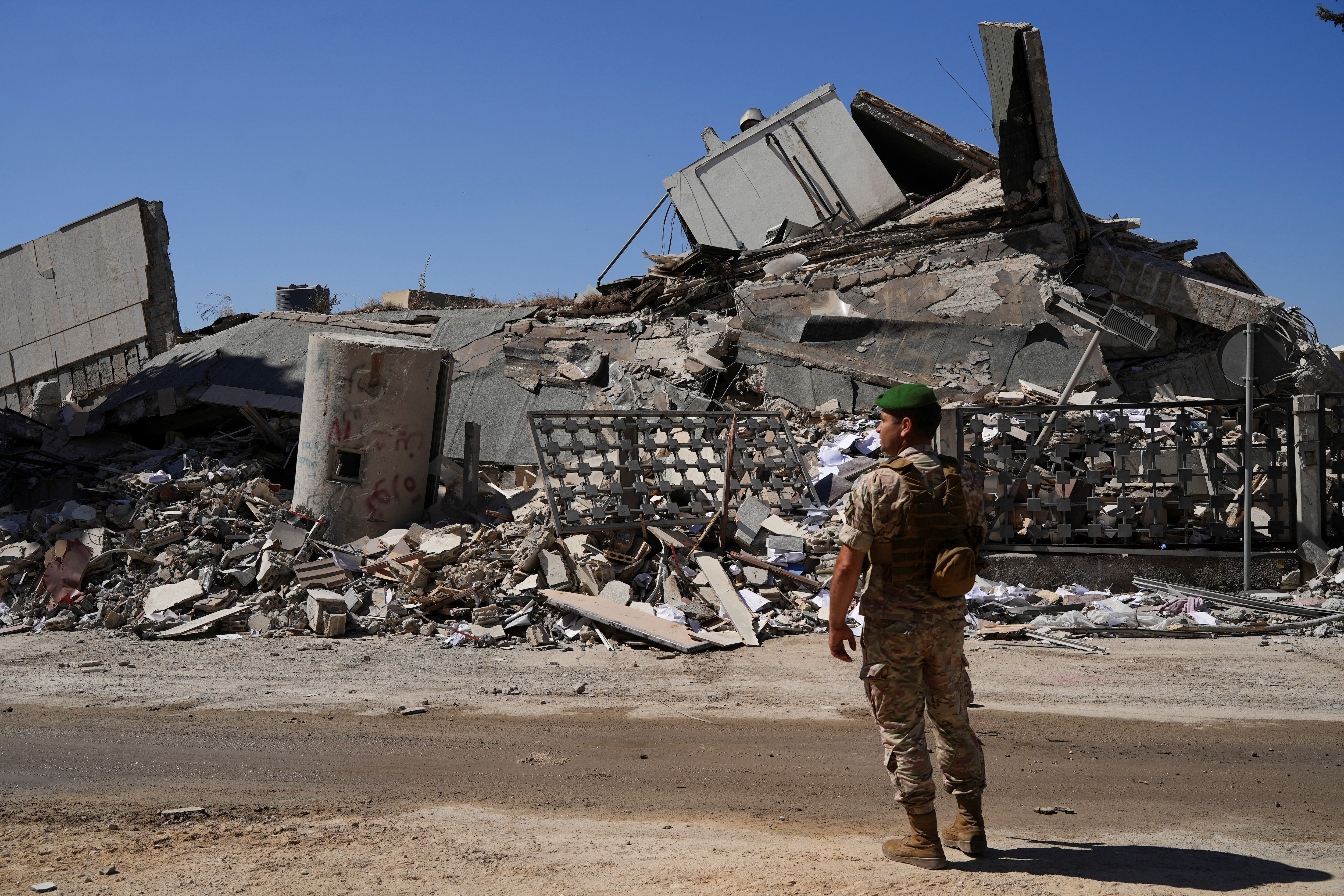
Watch the sessions:
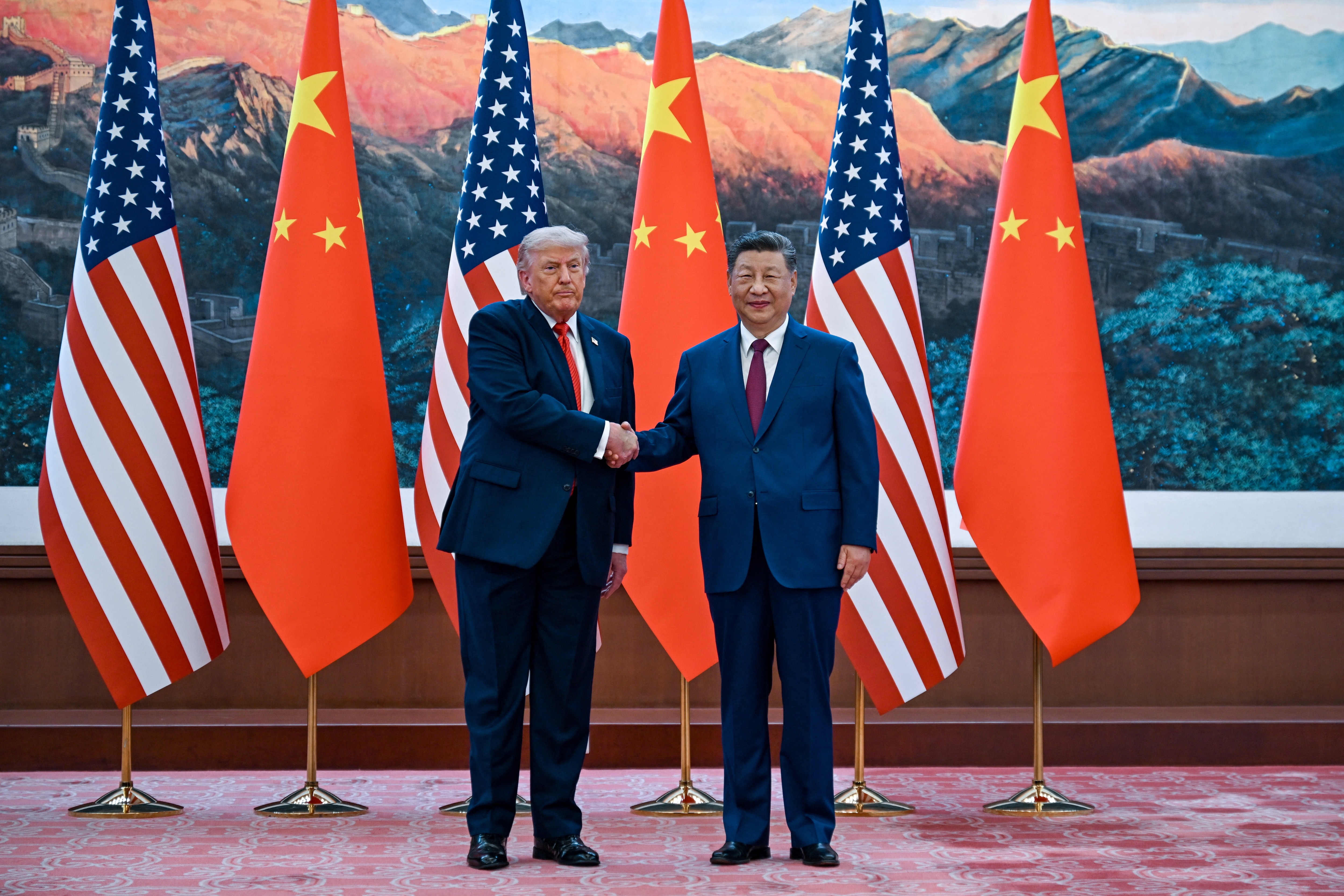
China has shifted into a higher economic gear
The meeting in Dalian provided an opportunity for many participants from outside of China to hear first-hand about the country's next phase of development - and why it matters for everyone. From parsing the real meaning of "overcapacity" to taking a hard look at domestic consumption, China's economy was in focus.
Find out more:
Watch the sessions:
There's a broad mix of potential AI benefits
Whether in the context of augmenting green-energy efforts or helping farmers produce nourishment for an expanding global population in a warming world, many possibilities for using AI to make life better were on the agenda at Summer Davos.
Find out more:

Watch the sessions:
Listen:
The energy transition is a practical reality, and a profitable one
One potential upside to the Iran war-induced energy supply shock has been a reevaluation of reliance on fossil fuels. Countries that had built out their renewable-energy capacity are faring better than others amid more limited access to oil and gas, and China's green technology dominates.
Find out more:
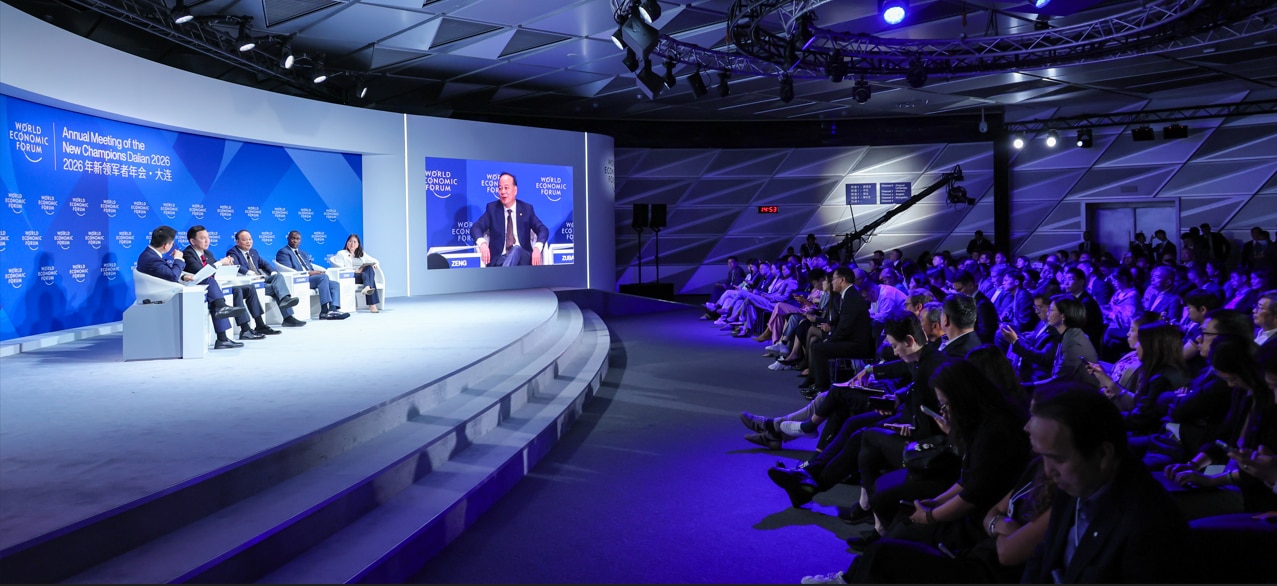
Watch the sessions:
More frank discussion about AI's upside and risks
This year's Summer Davos saw more candid talk about the real impact of AI on people than it has in the past. Its astonishing potential was certainly broached in many contexts, but so was its inevitable effect on the early-career prospects for young people. What can be done to ensure that they will still have the opportunities they need to develop and earn? Participants had ideas.
Watch the sessions:
For more, read the Summer Davos closing press release here .


