Sexual violence is increasingly being used as a weapon of war in conflicts around the world and women and children in particular continue to be targeted facing sometimes long-lasting consequences.
The vast majority of these acts of degrading brutality go unreported, but for those who do come forward, support provided by United Nations partners can begin to heal the psychological wounds.
Four survivors spoke to the UN ahead of the International Day for the Elimination of Sexual Violence in Conflict , marked annually on 19 June.
Kateryna* - 'I stopped resisting and he raped me'
"I thought if they killed me, our son would lose both parents, so I stopped resisting and he raped me."
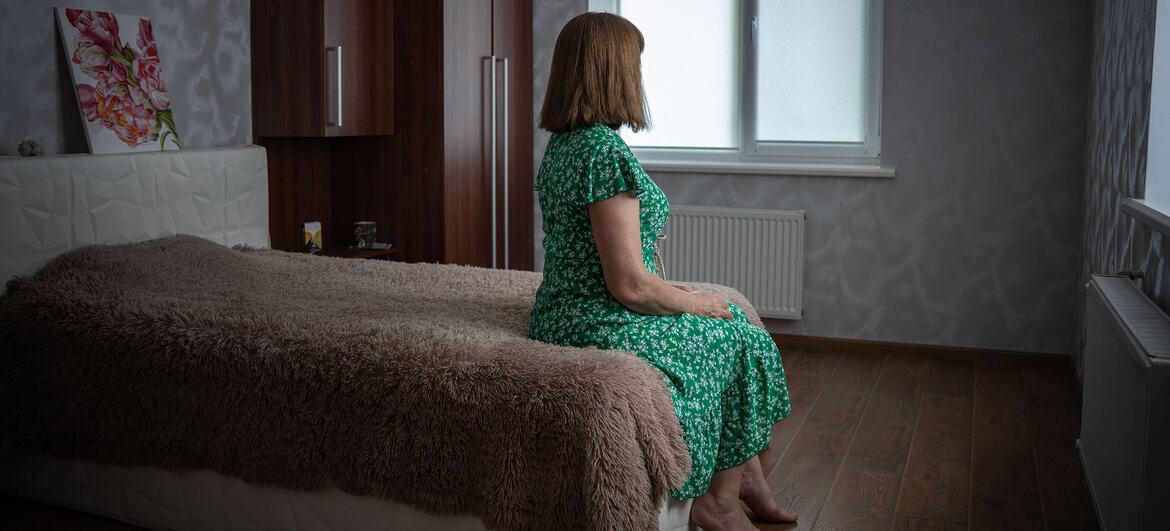
Kateryna lived under occupation in the Kherson Region in Ukraine. As Russian forces tightened control over the area, soldiers repeatedly entered her property in 2022, looted her business, and threatened her family.
The violence she endured was part of a broader pattern of conflict-related sexual violence documented by international organizations and Ukrainian authorities.
A grave violation of international humanitarian law, this form of violence has become a tactic of war, used to terrorize civilians, punish communities, and force people from their homes.
Noor* - 'The abuse was relentless'
In Syria, Noor was detained in late 2023 while travelling for medical treatment. Her family spent months without knowing where she was.
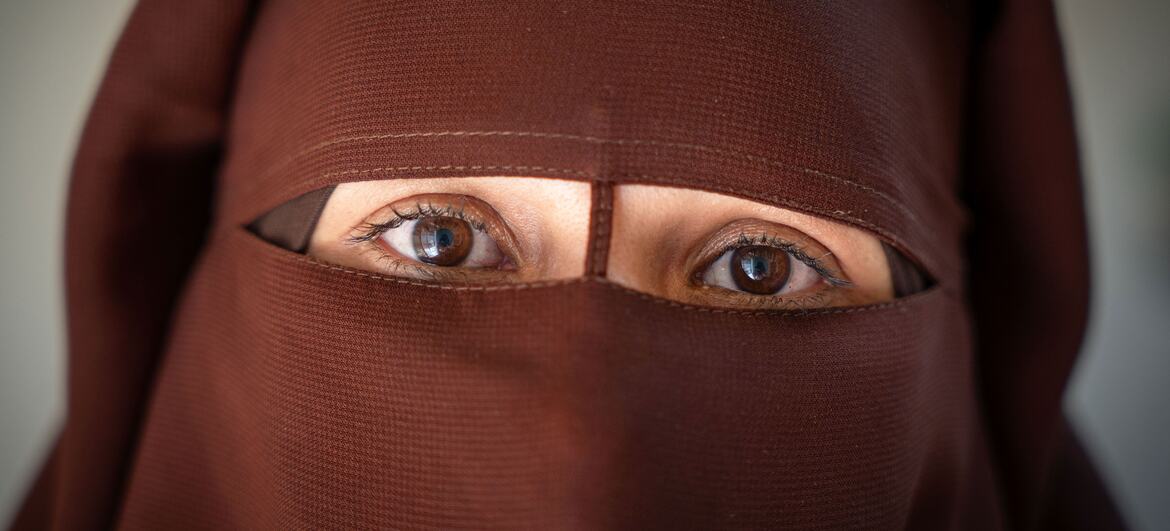
During a year in detention, she was repeatedly beaten and raped. She became pregnant several times and suffered miscarriages after severe abuse. Many of the women in her cell endured similar experiences.
"The abuse was relentless," she recalled. "I thought about my daughters all the time."
When she was finally released, some members of her family rejected her because of what had happened during her detention.
The fear of stigma and social exclusion remains one of the strongest barriers preventing survivors from seeking support.
It is estimated that for each rape reported in connection with a conflict, between 10 and 20 cases go undocumented.
Shadia* - 'They took our dignity'
In Sudan, Shadia said she was assaulted while looking for vegetables outside the city of El Fasher, which was captured by the anti-Government RSF militia last October following 18 months of siege.
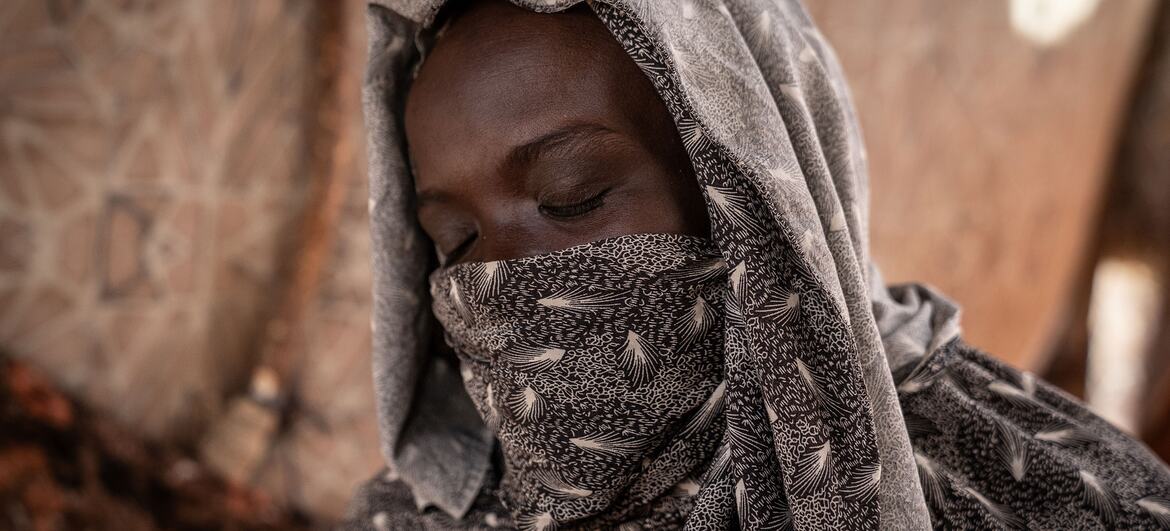
Her attackers "robbed us, beat us, and then took our dignity," she said. She now lives in a camp for displaced people near Tawila, one of many women carrying the trauma of war.
Her story is part of a much wider pattern. In Sudan, conflict-related sexual violence has been described by the United Nations as "rampant and relentless", with documented cases of rape, abduction, forced marriage and sexual slavery, including against children as young as one.
An estimated 12 million people in Sudan are at risk of gender-based violence, a 350 per cent surge since the conflict began.
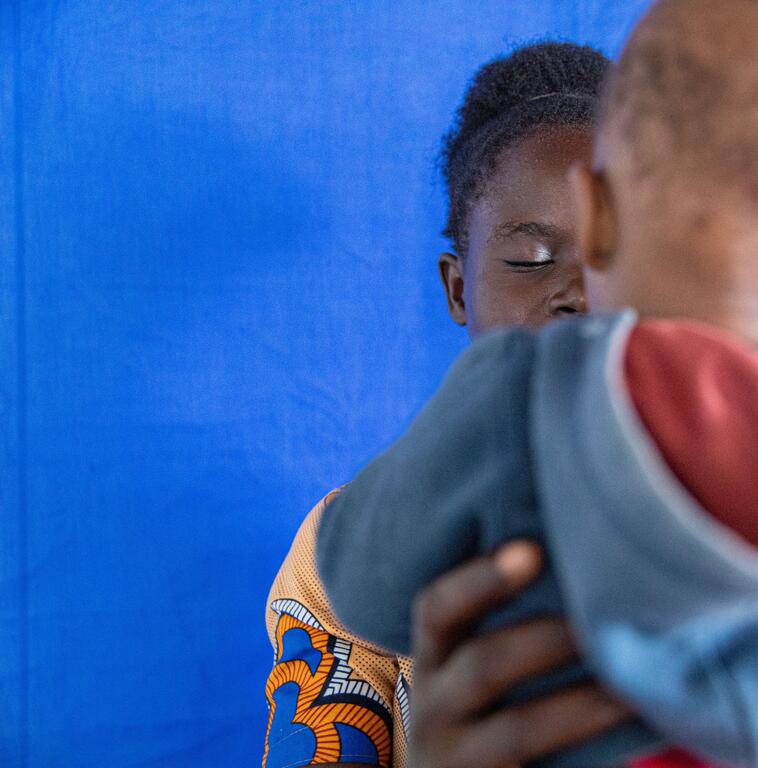
Mulaji* - 'I'm done with men'
In the Kasaï region of the Democratic Republic of the Congo, Mulaji is raising her three children by herself. "I'm done with men", she says.
Ten years ago, during a conflict that affected the region, she was raped by two armed men, in presence of her husband.
After this traumatic experience, her husband abandoned her and their children. She ended up living with relatives. "The only thing I want now is to continue my tailoring business and raise my children."
Support for survivors
In 2025, the United Nations verified about 9,300 cases of conflict-related sexual violence globally. Yet the true number is believed to be much higher. An overwhelming 95 per cent of survivors were women and girls.
What often follows the attack is another struggle entirely.
In Ukraine, Syria, Sudan and elsewhere, survivors describe the same heavy burden: anxiety, isolation, shame, broken trust and the feeling that justice may never come.
The consequences can also be physical and long-lasting.
For survivors of sexual violence, a long-term and comprehensive response is essential.
Survivors need confidential healthcare, psychosocial support, legal protection and spaces where they can begin to recover without fear.
Kateryna, Noor, Shadia and Malaji received support from local organizations, with funding from the UN.
Without sustained funding, survivors of rape in war will continue to face not only the violence itself, but also the loss of the services that help them survive it.
"Comprehensive support for survivors is crucial to rebuild lives and families," the UN Secretary-General, António Guterres said in his message to mark the day.
* All names altered to protect identities