
PULLMAN, Wash. - Promoting women's ownership in wineries can boost sales among the largest group of U.S. wine consumers, who happen to be women.
Messages like "proudly made by a woman winemaker" increased women's intentions of purchasing wines, particularly when the label's artwork reinforced the point with feminine gender cues such as flowers. Women were also willing to pay higher prices for those wines, according to the research from Washington State University and Auburn University.
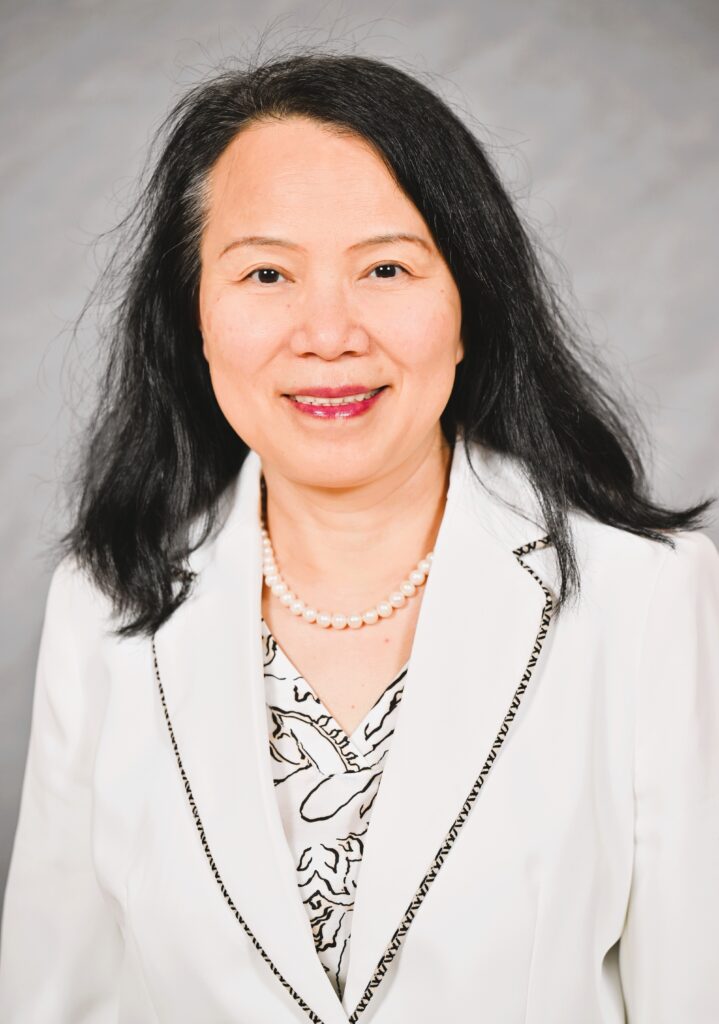
The findings are noteworthy because 59% of all wine purchases in the United States are made by women, said Christina Chi, coauthor of the research and professor of hospitality business management at WSU's Carson College of Business.
Wine is often considered a cultural product, where the winemaker's identity plays a role in shaping the brand's image, she said.
Women winemakers, however, are less likely than their male counterparts to include their names on bottle labels or draw attention to their gender. Their reluctance may stem from concerns about prejudice toward their products in the male-dominated wine industry, Chi said.
"Our findings suggest that women winemakers and winery owners can benefit by being more visible," she said. "The research shows that they can disclose their ownership with confidence and leverage it as a marketing strategy."
The possibilities include putting "women-made wine" statements on labels or packaging, and retail store displays featuring women-made wines.
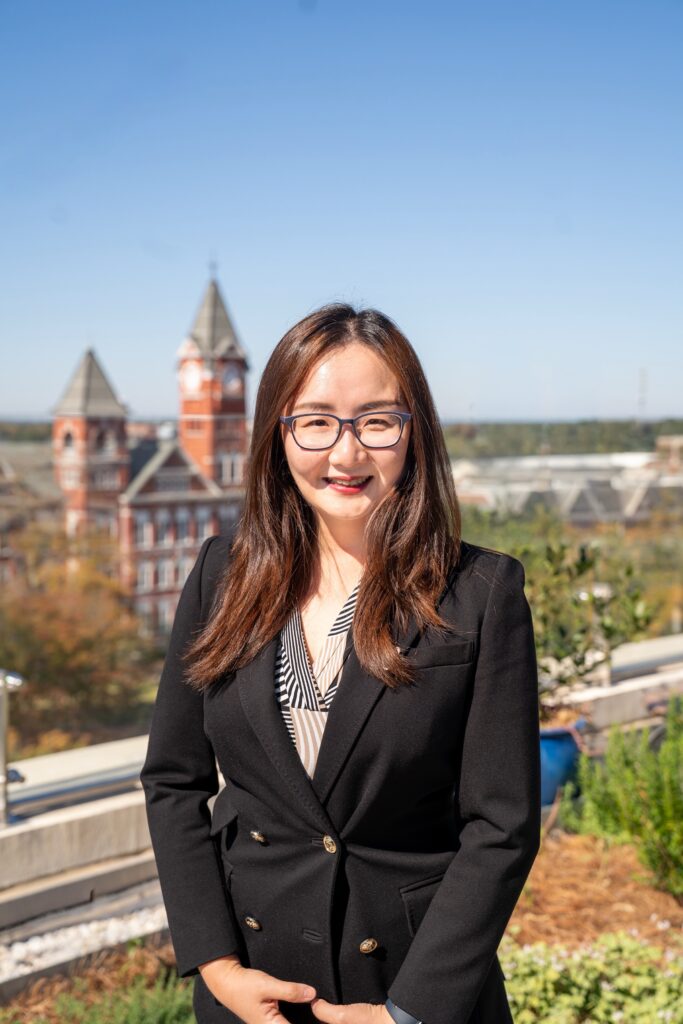
Demi Deng, an assistant professor at Auburn who earned her doctorate at WSU, is the first author on the research published in International Journal of Hospitality Management. Ruiying Cai, an assistant professor of hospitality business management at WSU, also contributed.
The new findings build on earlier studies showing that women are more inclined to buy wine with feminine gender cues on the labels. The 2024 research - by Cai, Chi, Deng, and WSU Emeritus Professor Robert Harrington - received widespread publicity. Beverage trade journals carried the story, and women winemakers were enthusiastic about the findings.
"As researchers, we want our work not only to have societal impact, but to have practical significance for the wine industry," Chi said. "From the response, we saw that women winemakers were following our research and were eager for additional studies about women wine consumers."
More than 1,000 U.S. women participated in the most recent research, which involved a three-part study.
First, the researchers replicated the 2024 findings about feminine cues on wine labels. Using a fictitious Columbia Valley red table wine, the women surveyed expressed higher intentions of purchasing the wine when the label's artwork featured a bouquet of flowers versus a masculine portrait. They were also willing to pay $3.50 more per bottle - about $17.75 for wines with feminine labels compared to $14.25 for wines with masculine cues.
In the second phase of the study, a "woman-made wine" statement was added to marketing materials. Women consumers had even stronger purchase intentions for wines with both the statement and feminine artwork on labels, the research found.
In the final phase, photos of women winemakers were further added to the marketing materials. But women were less likely to buy feminine-label wines when the female winemakers were pictured. Rather than focusing on the "woman-made" messaging, consumers' decisions may have been swayed by whether they related to the individual women portrayed in the photographs, researchers said.
The studies also tested the marketing strategies on wines with masculine labels. Adding a "woman-made" statement significantly increased their appeal to women consumers. And when female winemakers were pictured in the marketing materials, women were willing to pay $3 more per bottle for wines with masculine labels.
Besides helping women winemakers market their products, Deng said she hopes the research will draw attention to women's contributions to the industry. In the United States, about 18% of winemakers are women.
Deng worked as a sommelier in New Zealand before she earned her doctorate. "I actually encountered a lot of women winemakers, but their names aren't visible in the wine market," she said.


