The clearest message from the Pacific Pre-COP was that understanding the climate crisis is no longer the challenge. Acting with the urgency it demands is.
Last Tuesday, a handful of Pre-COP delegates visited the Funafuti atoll in Tuvalu, one of the most climate-vulnerable places on Earth. There, they saw firsthand the devastating effects of the climate crisis on the small atoll-nation. They heard from communities whose futures depend on decisions made far beyond their shores, and from children asking them to remember those who will live with the consequences.
Students from the Nadi Centre for Special Education appealed to the delegates: "We want to grow up in a safe Fiji, in a safe Pacific. Leaders, when you make decisions about climate change, please remember us."
That appeal must travel with Australia, Türkiye, and every delegation heading to COP31 in Antalya. The decisions ahead will shape whether these children can grow up with safe homes, access to water and traditional foods, and continued connection to their culture.
For the Pacific, the climate crisis is a lived reality
The Pacific's moral authority comes from the clarity with which its people and leaders connect climate decisions to their real and lived consequences. 1.5°C is not just a goal here - it is a survival line that determines whether communities can remain on their land, whether freshwater is secure and whether children can inherit the places that hold their histories.
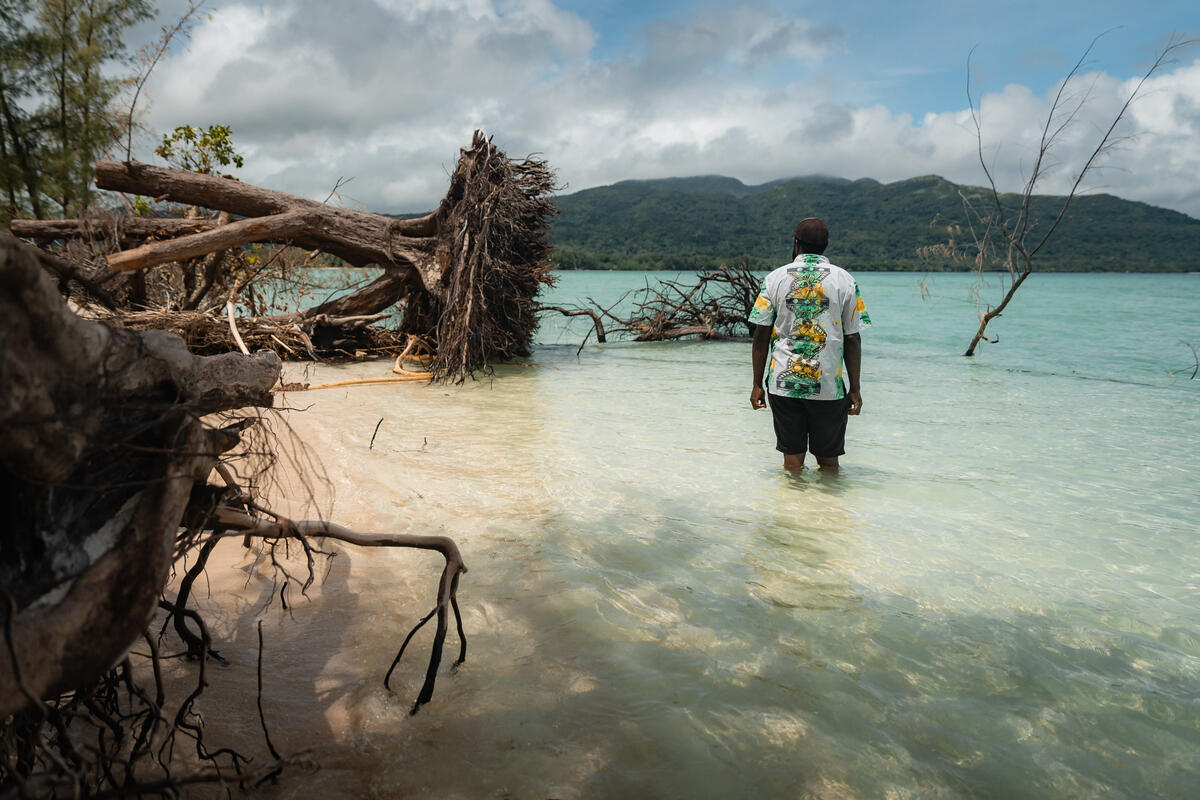
But Pacific leadership also comes from proposing solutions and demanding accountability. The region is doing the work of protecting communities while asking those with greater resources and responsibility to do theirs. Governments cannot acknowledge what is happening to these communities, promise solidarity and then continue expanding the fossil fuels putting their futures at risk.
For Tuvalu, that work is about securing the survival of an entire nation. Prime Minister Feleti Teo told the plenary: "Leaders had the opportunity to witness firsthand the fragile future of Tuvalu and what we are doing to ensure that we survive as a nation." His words make clear that Tuvalu is already acting to protect its future. It needs the world to act with the same urgency.
It is not fair that those who have contributed least to the climate crisis are the ones facing the greatest price, while those most responsible continue with business as usual.
Australia's credibility is on the line
For Australia, these messages present a direct test of credibility. As it prepares to lead COP31 negotiations alongside Türkiye's presidency, its ability to drive ambitious outcomes will be tested by the choices it makes at home.
Prime Minister Anthony Albanese told the plenary: "And we must turn the unity which is here into action."
Australia should be held to that standard. It cannot credibly champion 1.5°C on the global stage while expanding the fossil fuel production that undermines that goal at home. Asking Pacific communities to trust its climate leadership while adding fuel to the crisis threatening their survival is political double talk.

Australia's renewable energy transition and support for its Pacific family matters, but does not offset the consequences of expanding coal and gas production at home. To close the credibility gap, Australia needs a national roadmap to fairly phase out fossil fuels at home, including a managed wind-down of production for export, with support for workers and communities. A government asking others to make difficult decisions must show it is prepared to clean up its own backyard.
While the Electrification Pledge is a welcome commitment, its success will be measured by whether renewable electricity displaces fossil fuels, reduces emissions and reaches people who need it.
The work between now and Antalya
The weeks between now and Antalya must turn this urgency into action. At the centre of that work must be building agreement on how countries will move to a just transition away from fossil fuels at a pace consistent with keeping 1.5°C alive, and scaled up, accessible climate finance.
Governments must also prepare for the next global assessment of climate progress: an opportunity to take an honest look at whether their collective efforts are working and what more they must do. That assessment must be guided by the latest science and lead to stronger action.
Solomon Islands Prime Minister Wale captured the frustration: "We face a patronizing paradox where the severity of our crisis is acknowledged but the solutions are diluted, watered down."
Australia has a responsibility to ensure Pacific priorities survive the negotiations with their ambition intact. That means building support for practical plans to phase out fossil fuels fairly, accelerate renewable energy that replaces them and deliver deeper emissions cuts. It also means securing a substantial increase in finance so developing countries can undertake that transition and protect their communities.
The Pacific has set the standard. Australia must now arrive in Antalya prepared to meet it, with the credibility to ask others to do the same.
Jasper Inventor is the Deputy International Program Director for Greenpeace International