What does a welder do?
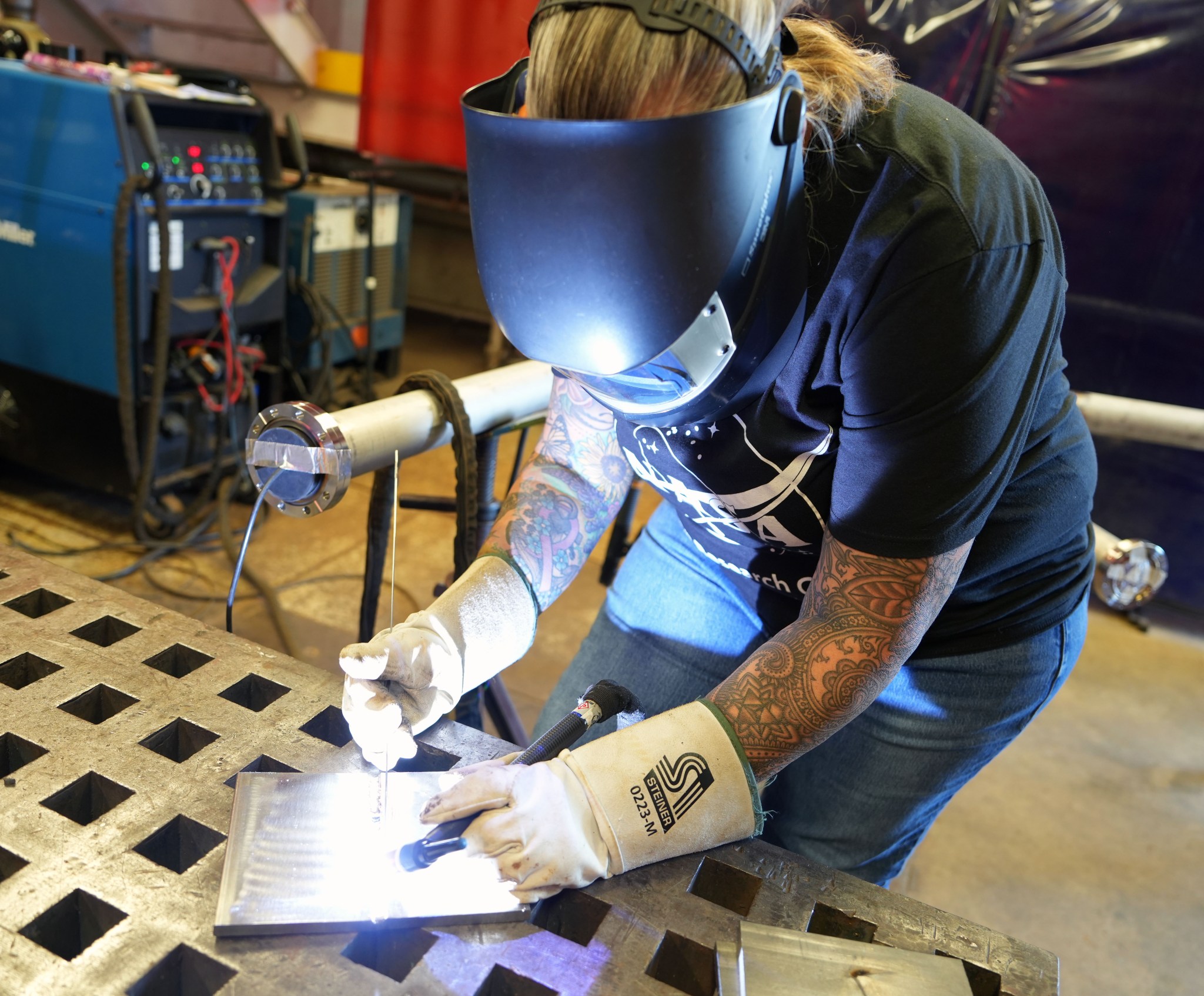
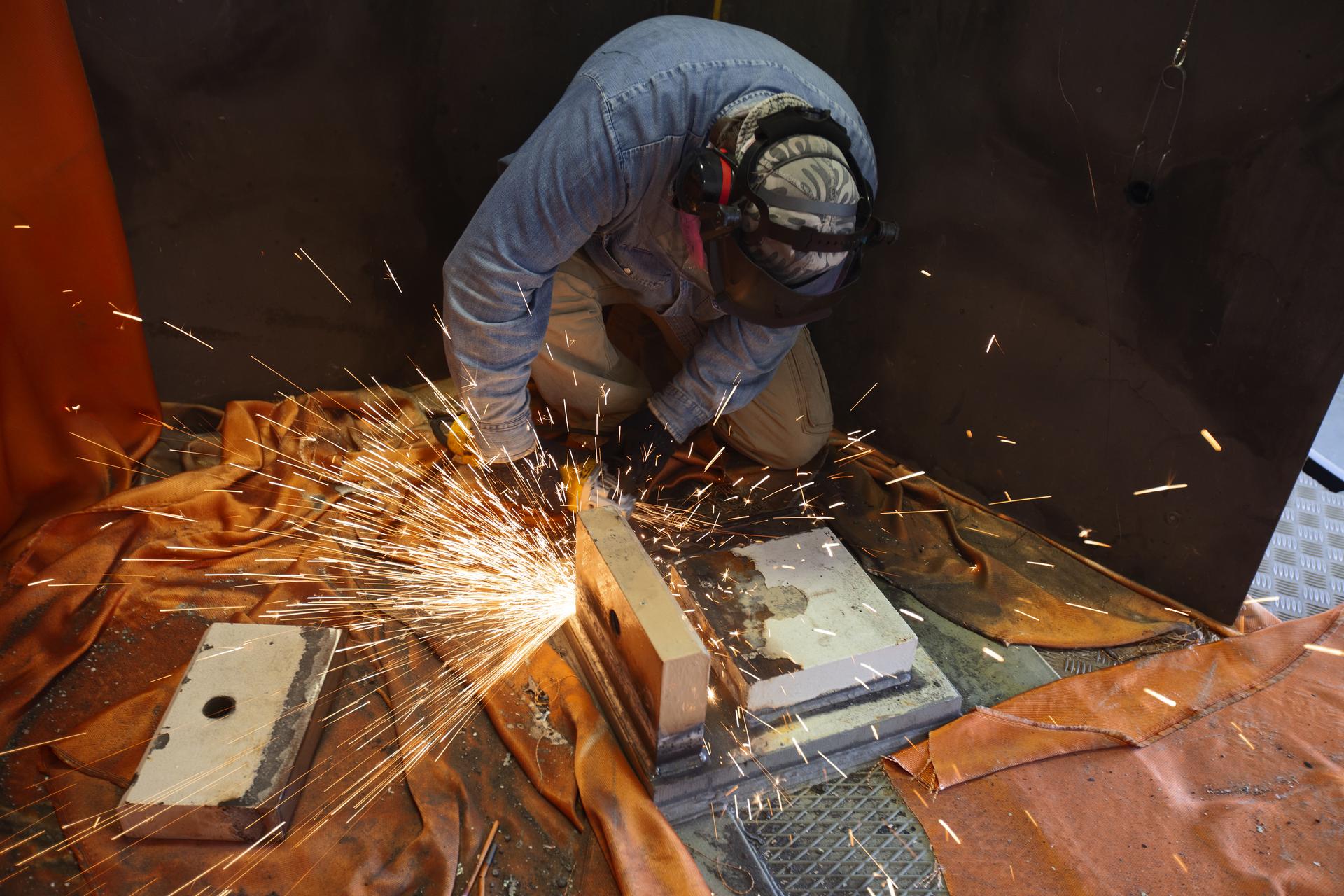
A welder uses tools that join two or more parts through forces such as heat or pressure. Metals are the materials most commonly used in welding, but it's also possible to weld thermoplastics or wood. Welders use their hands, skills, and problem-solving abilities to create something new.
At NASA, welders use different types of welding processes to assemble spacecraft and rocket components. Welders also put their expertise to work on equipment and facilities that make space exploration possible, such as launch pads, fuel tanks, propellant lines, and buildings where rockets are assembled.
What are the different types of welding?
Welding can be done in many different ways. Here are some of the types of welding used at NASA:
- Arc Welding: Uses electricity to melt metals and fuse them together. There are many types of arc welding, including TIG and MIG welding, described below.
- Tungsten Inert Gas (TIG) Welding: Uses a protective gas like argon or helium to keep the metal from reacting with air. TIG welding doesn't leave behind splatter or residue, giving a clean, precise weld.
- Metal Inert Gas (MIG) Welding: While not as clean and precise as TIG welding, is used for fast, strong welds on thicker materials, like sheet metal.
- Laser Welding: Enables welders to create tiny, perfect joints for delicate components.
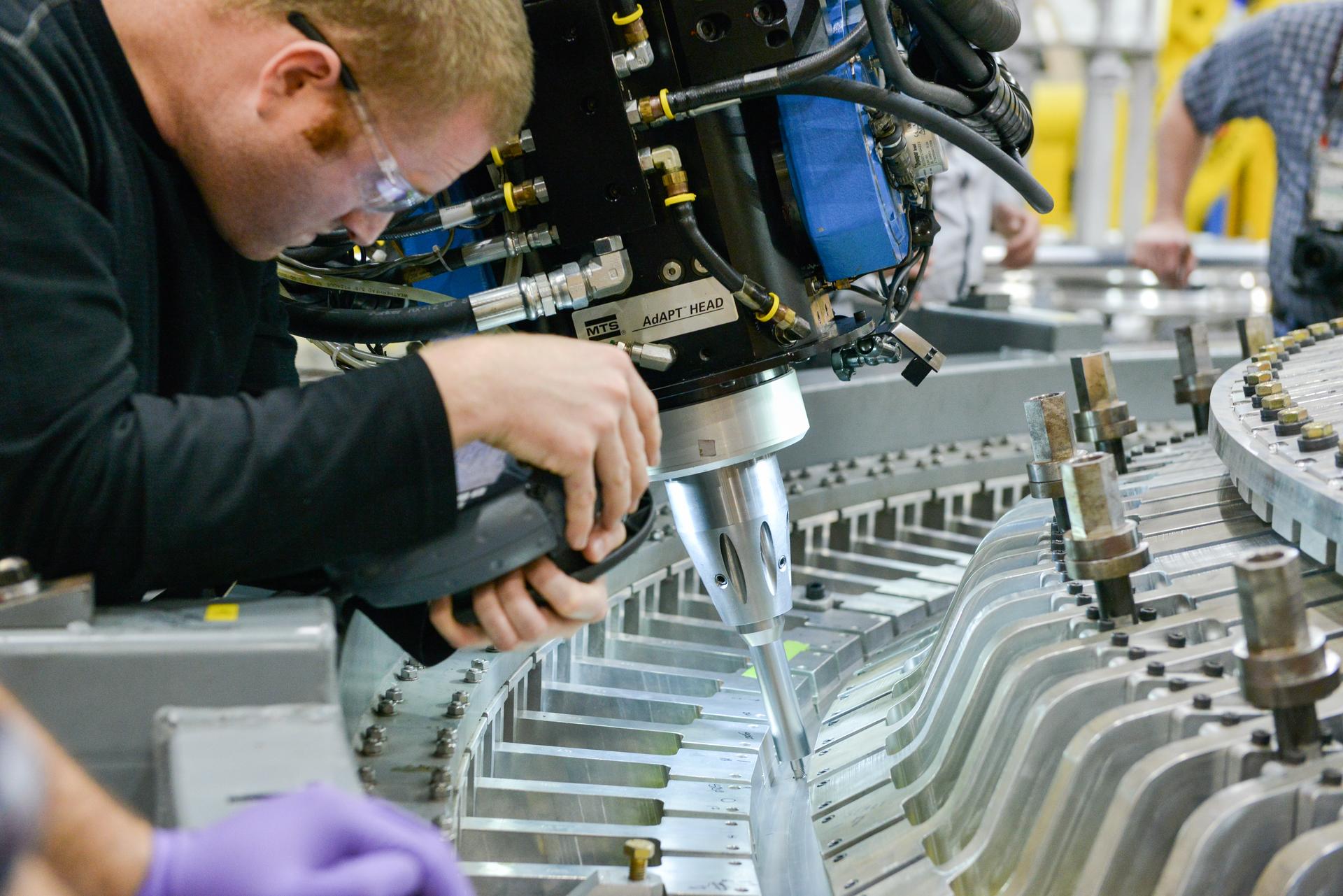
- Ultrasonic Welding: Uses sound and friction to create a solid-state bond between layers of metal.
How can I become a welder?
After graduating from high school, there are a couple of pathways to choose from. You can pursue an associate's degree in welding, typically a two-year program available through community colleges and technical schools. Another option is to obtain a certificate from a vocational school or trade school. An apprenticeship during or after this training is often the next step toward a career as a professional welder.
How can I start preparing today to become a welder?
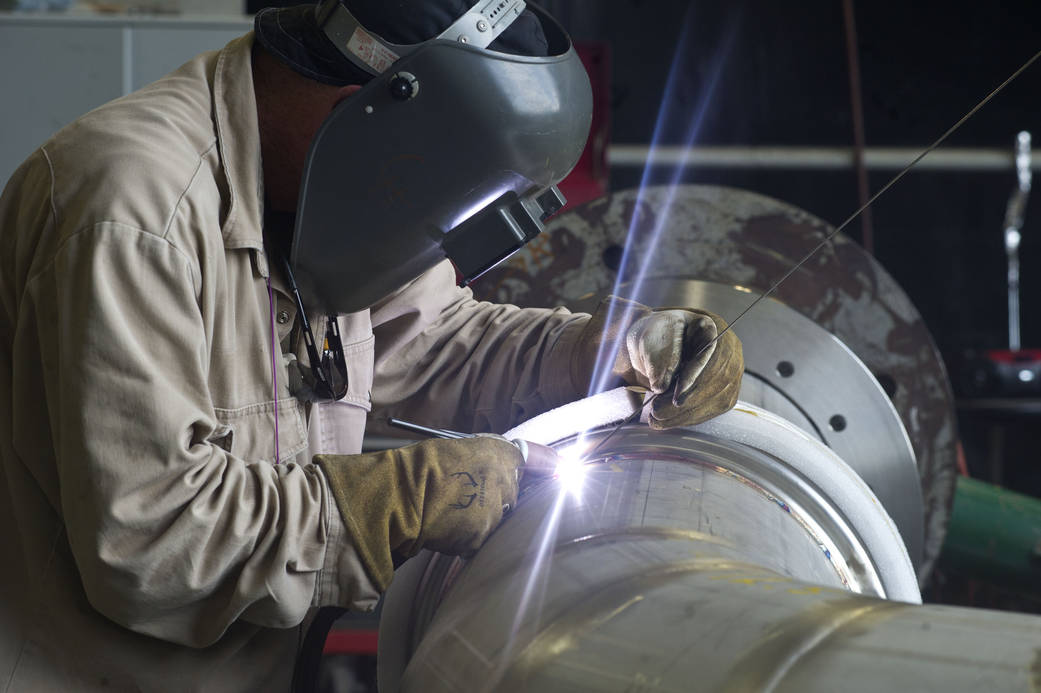
Taking a welding class at your high school or local college is a great way to find out whether it's a skill you enjoy. Research welding degrees and programs at colleges and schools to determine which one(s) fit your needs and interest. It's also a good idea to research job vacancies to learn what employers are looking for. Finally, seek out opportunities for hands-on experience to help you practice and improve your welding skills.