
A potentially deadly disease caused by a soil-dwelling bacterium long found in tropical regions may be slowly gaining a foothold in the continental United States and other regions around the world. The discovery of the bacterium in Mississippi is raising new questions about how doctors should identify infections and track its spread.
Melioidosis is a serious, sometimes fatal infection caused by the bacterium Burkholderia pseudomallei, an organism commonly found in tropical and subtropical soil and surface water. The disease is treated with antibiotics but has a fatality rate of 10% to 50%.
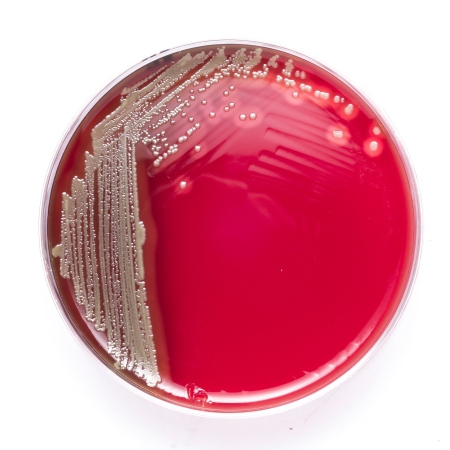
Researchers from the UC Davis School of Medicine and collaborators from Mahidol University in Thailand have published a new study in The Lancet Microbe examining how the body's disease-fighting antibodies change over time after a melioidosis infection. Their findings could help scientists better understand where the disease is spreading and improve how blood tests are interpreted for diagnosis and surveillance.
"In places where melioidosis is rare or newly emerging, such as parts of the United States, these antibody tests may be especially useful because few people have been previously exposed," said Kristen Aiemjoy, assistant professor in the UC Davis Department of Public Health Sciences and co-senior author of the study. "But in areas where the disease has been circulating for decades, previous infections can make results more difficult to interpret."
People and animals can contract melioidosis after coming into contact with the bacteria in contaminated soil, dust or water. The disease has a wide range of signs and symptoms, including fever, stomach pain and seizures, and can be difficult to diagnose.
Melioidosis remains relatively uncommon in the United States, but experts say awareness among clinicians is essential because the disease can resemble many other illnesses and requires prompt treatment. The infection has sometimes been called "the great mimicker" because its symptoms can look like pneumonia, tuberculosis, cancer or other serious conditions.
Geographic range of 'tropical disease' is expanding
Melioidosis, which was historically considered a tropical disease, is endemic in northern Australia and Southeast Asia, particularly northeast Thailand. However, recent evidence suggests its geographic range is expanding.
In 2022, researchers from the Centers for Disease Control and Prevention linked multiple human melioidosis infections to soil and water in Mississippi. The finding, published in the New England Journal of Medicine, provided some of the strongest evidence yet that the bacterium has become established in the continental United States.

There have also been increasing reports of melioidosis in South Asia and Africa.
Scientists have also warned that climate change could increase the areas where the bacterium can survive, potentially exposing new populations to infection.
"One of the things that makes this organism concerning is its ability to persist in the environment for very long periods of time," Aiemjoy said. "Once Burkholderia pseudomallei becomes established in soil and water, it can continue to survive and replicate, creating an ongoing risk of exposure."
Antibody response can help with diagnosis and monitoring
The new study followed people in Thailand after confirmed melioidosis infections to measure how long antibodies against the bacterium could be detected. Researchers examined antibody responses to two promising diagnostic targets and found that antibody levels can persist for years after infection.
This means that positive test results may reflect past infection rather than recent disease, an important consideration when monitoring the pathogen's spread into new regions.
"Better tools for tracking exposure will help us understand where this pathogen is today and where it may emerge in the future," Aiemjoy said. "As environmental conditions change, surveillance becomes increasingly important."


