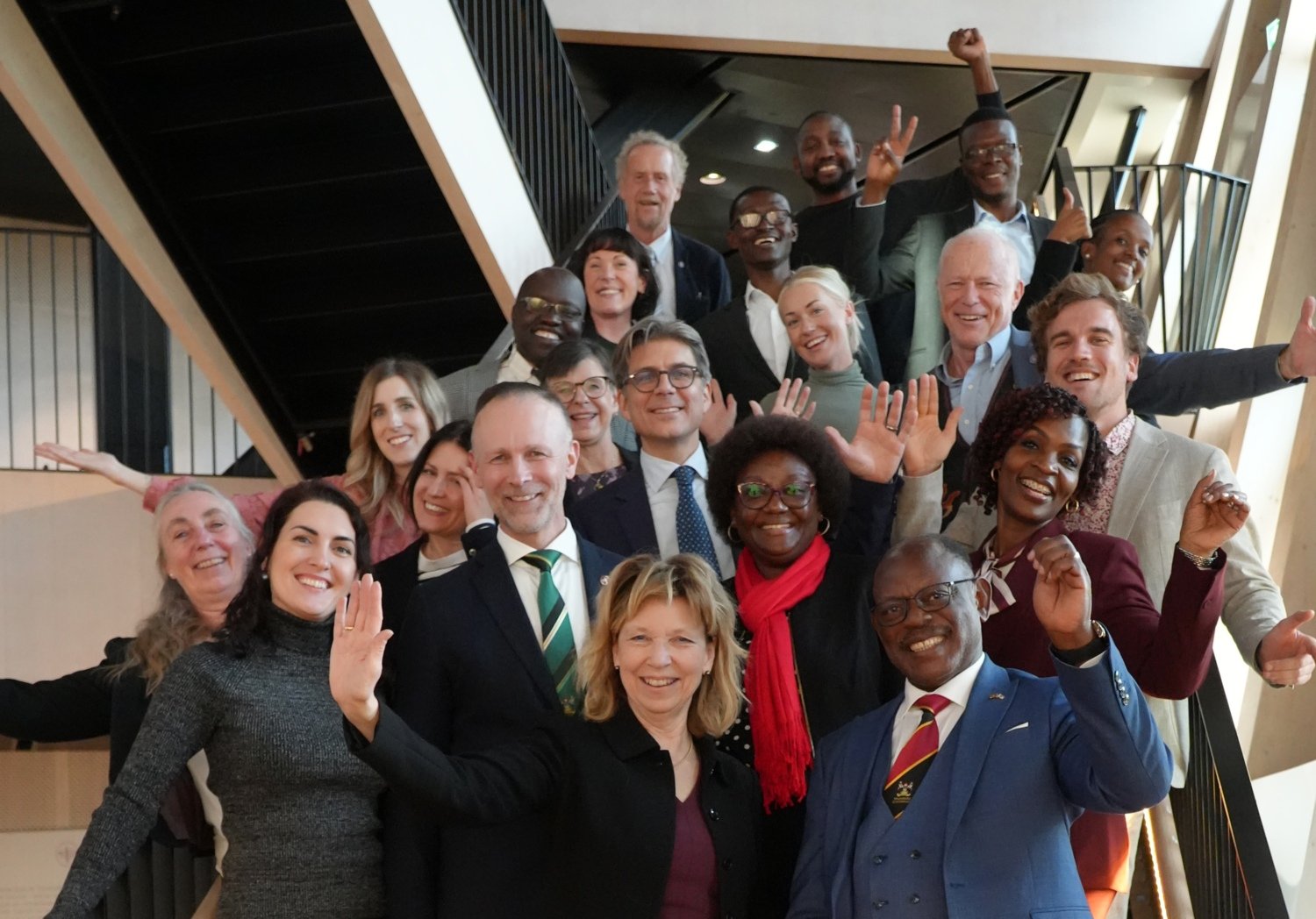
Our new film tells the story of Professor Stefan Swartling Peterson and more than 25 years of global health collaboration in East Africa. Through personal reflections and lived experience in Uganda, the film explores long-term partnerships, sustainable health systems, and the power of working across borders to improve maternal and child health.
From a small village in Sweden to the heart of Uganda, Stefan's journey is one of curiosity, innovation, and impact. Watch the film below to explore his story and the partnerships that have shaped a quarter-century of change.
Learning from Uganda
"Scientific discussions are more meaningful here," Stefan says in the film. Working in Uganda has meant learning how to do more with limited resources, finding simple solutions, and constantly asking: how can we improve health for everyone?
A partnership that works
The film highlights the long-standing collaboration between Karolinska Institutet-Makerere University - now a model for sustainable and equitable global health partnerships:
- 64 PhD graduates, 35 double degrees
- 500+ peer-reviewed publications
- 400+ student and lecturer exchanges
- Doctoral course in sustainable health and the 2030 Agenda
- Joint leadership programmes
- Practical health improvements, from midwifery training to stroke rehabilitation
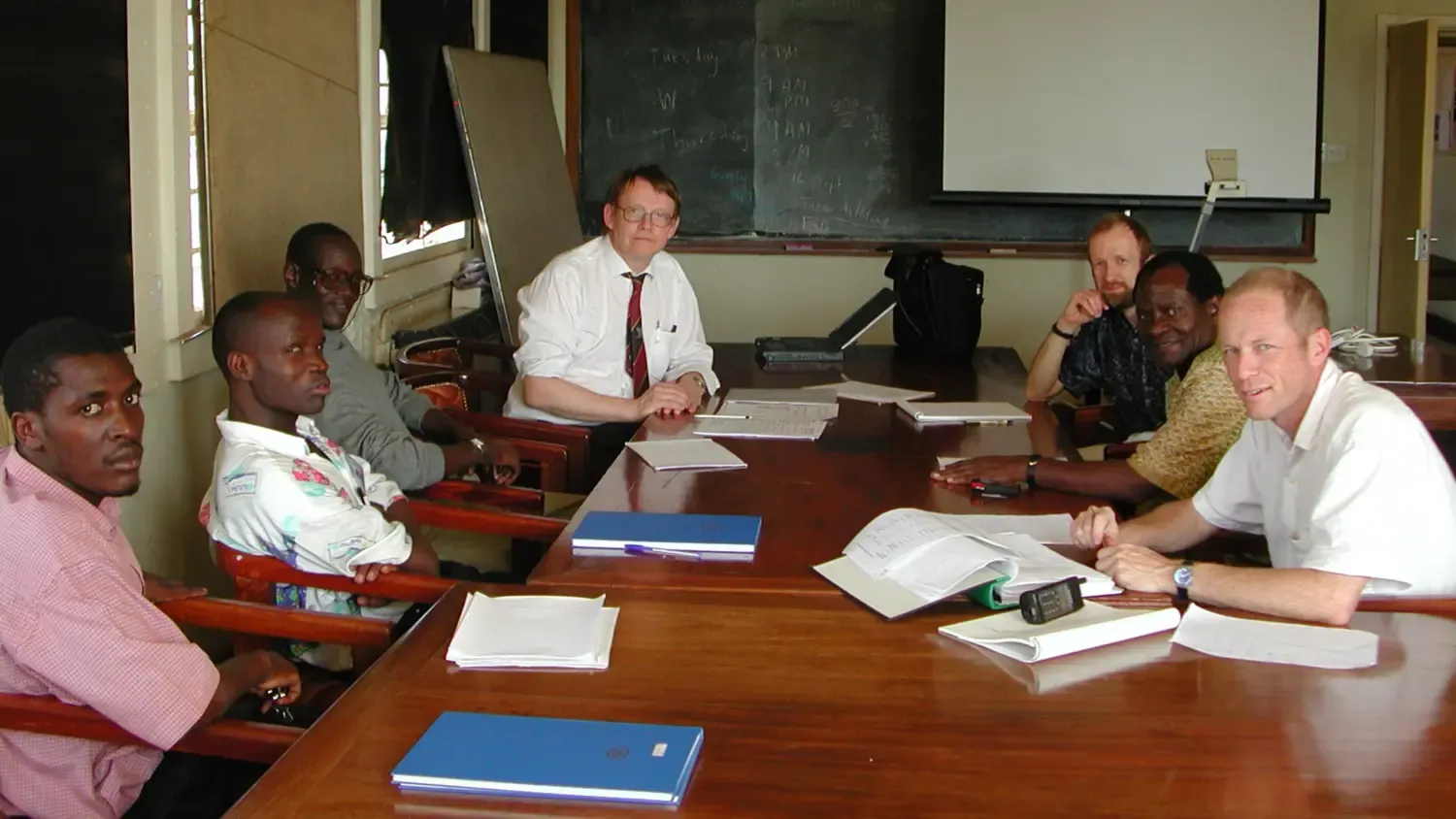
Life in Uganda
During a recent two-year stay at Makerere University, Stefan experienced what he describes as Uganda's "compressed history" of health challenges - from reduced child mortality to rising non-communicable diseases and the growing impact of climate change. This hands-on perspective, captured in the film, continues to shape new collaborations and solutions.
Centre of Excellence for Sustainable Health
The film was produced by Kseniya Hartvigsson for the Centre of Excellence for Sustainable Health (CESH) . The Centre was established in 2021 by Karolinska Institutet and Makerere University (Uganda). Through joint research, education, and south-to-south exchange, students and communities benefit from knowledge that flows in both directions.
"Fundamentally people are the same," Stefan reflects. "We all want the best for our families. Leaving some people and some regions behind is not an option." His work shows how science, empathy, and persistence create real change.
"Leaving some people behind is not an option"