
From Pups to Protectors: Five new drug detection dogs join the frontline
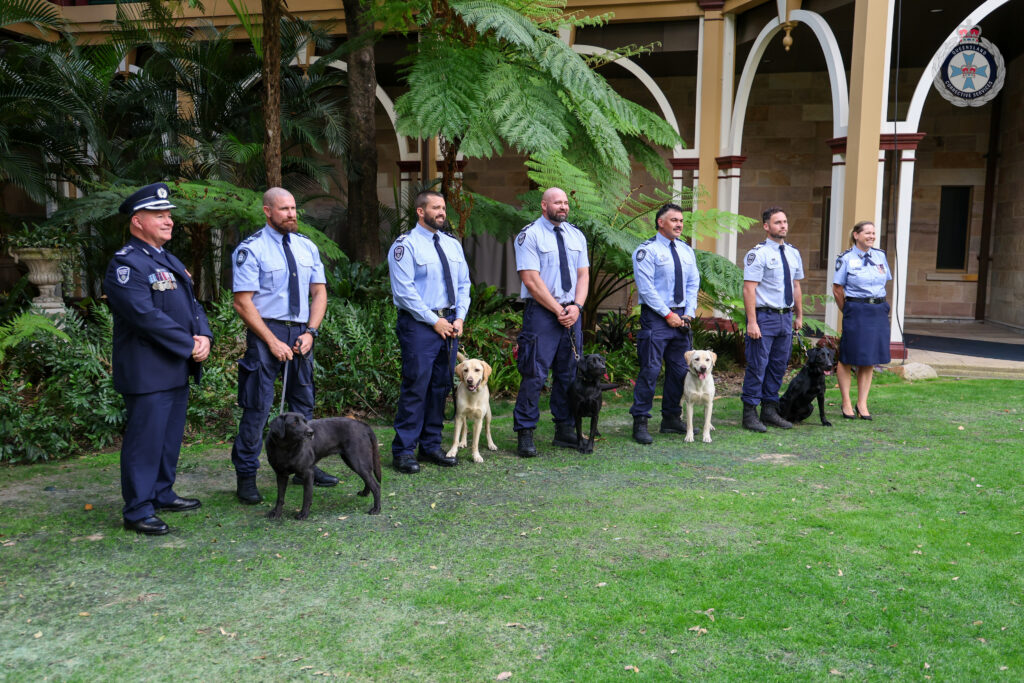
Queensland Corrective Services has welcomed five new Passive Alert Drug Detection (PADD) dogs - Nova, Danny, Havoc, Panko and Doug and their handlers, who graduated at a special ceremony at Queensland Parliament House this month (Thursday 17 September).
Five QCS Dog Handlers and their dogs were recognised in front of colleagues and family members after completing their training and will now begin work to help keep drugs and other contraband out of Queensland's correctional centres.
PADD dogs play a vital role in detecting prohibited substances before they enter correctional centres, including through searches of visitors, vehicles, mail and property. Their work forms part of a broader suite of security measures used by QCS to prevent contraband, disrupt criminal activity and keep officers, prisoners, visitors and the community safe.
The graduating dogs and their handlers will be posted to several correctional centres across the state including:
- CS Dog Nova and handler Luke to Capricornia Correctional Centre
- CS Dog Danny and handler Greg to Maryborough Correctional Centre
- CS Dog Havoc and handler Will to Lockyer Valley Correctional Centre
- CS Dog Panko and handler Scott to Wolston and Brisbane Women's Correctional Centres
- CS Dog Doug and handler Tyrone to Brisbane Correctional Centre
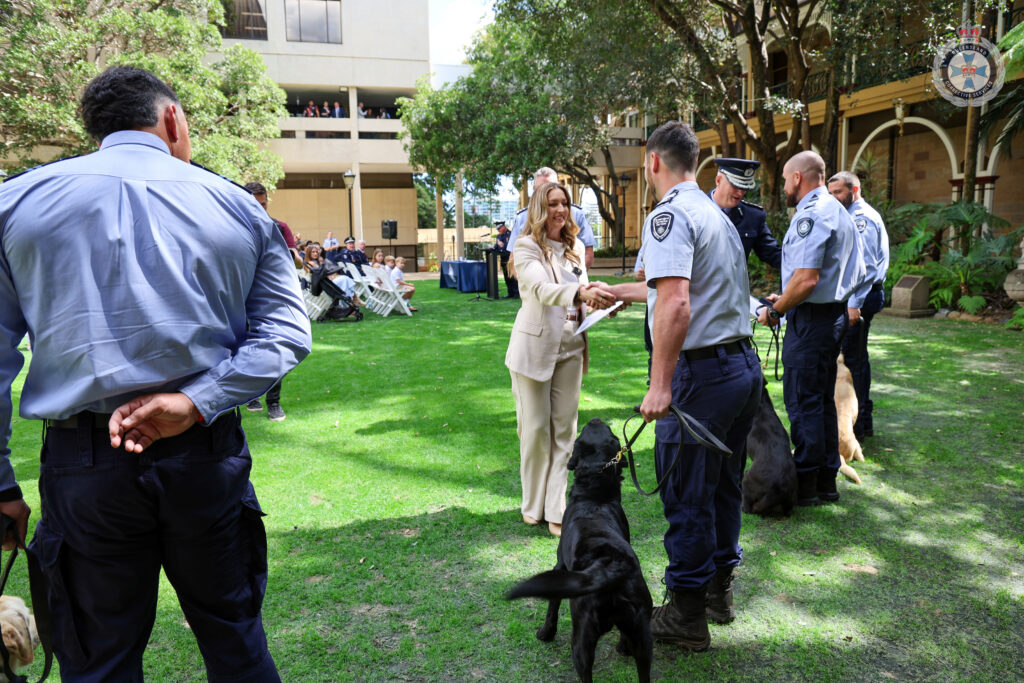
Minister for Youth Justice and Victim Support and Minister for Corrective Services Laura Gerber said the new teams would strengthen QCS' ability to stop drugs and other contraband from entering Queensland correctional centres.
"These new PADD dog teams are another example of the Crisafulli Government backing our frontline corrective services officers with the training, equipment and specialist capability they need to do their jobs safely and effectively," Minister Gerber said.
"Every day, QCS officers work in high-pressure and high-stakes environments to protect Queenslanders, and our PADD dog teams are an important part of that frontline effort.
"By detecting drugs and other prohibited items before they can enter correctional centres, these teams help reduce harm, improve safety and support rehabilitation."
Queensland Corrective Services Acting Commissioner Jon Peach said the graduation recognised the skill, discipline and commitment required of both handlers and dogs.
"Our Dog Squad teams are highly trained, highly skilled and deeply committed to community safety," A/Commissioner Peach said.
"PADD dogs are non-threatening detection dogs trained to identify even the smallest traces of illicit substances and support safe searches.
"This graduation is a proud moment for the handlers, their families, the QCS Academy and the wider agency. These teams will now take their place on the frontline, working alongside officers across Queensland to keep correctional centres safe and secure."
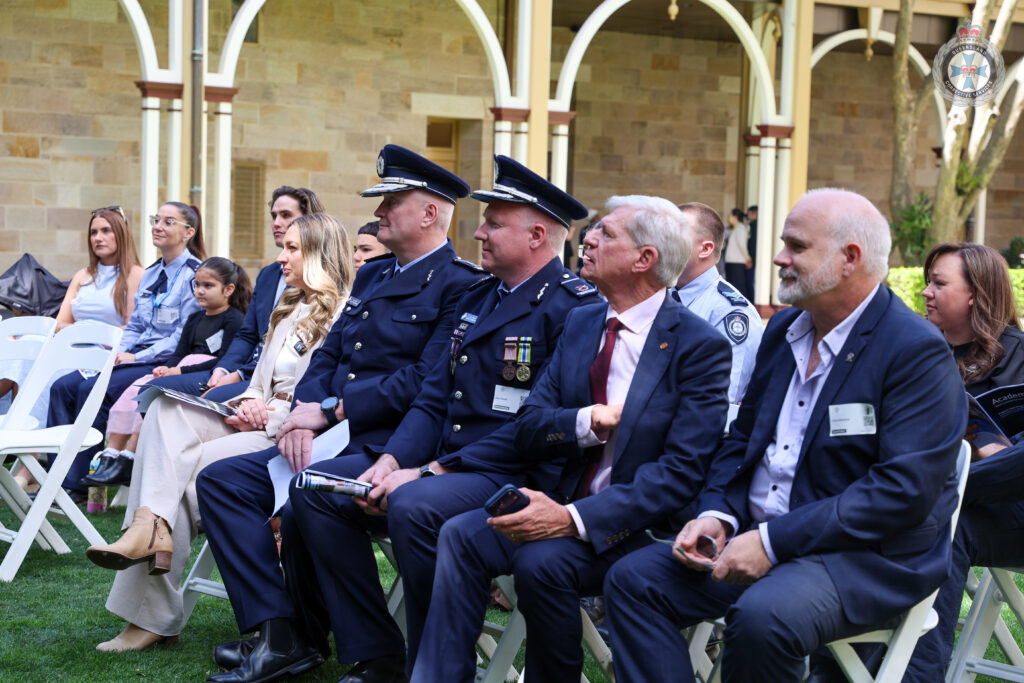
Queensland Corrective Services State Dog Squad Manager Darran Greenall said the QCS Dog Squad was a vital asset to correctional centres.
"The three-month training program finishes with a practical deployment phase, where handlers build the skills needed to respond to and manage security incidents in correctional centres," Mr Greenall said.
"The partnership between a corrective services dog and its handler is built through months of training, working together every day and shared experiences. It is a strong professional relationship based on trust, teamwork and discipline, and one that stays with handlers throughout their careers.
"In addition to their regular duties and drug detection work, these teams play an important role in responding to security incidents and emergencies, helping keep Queensland's correctional centres and communities safe every day."


