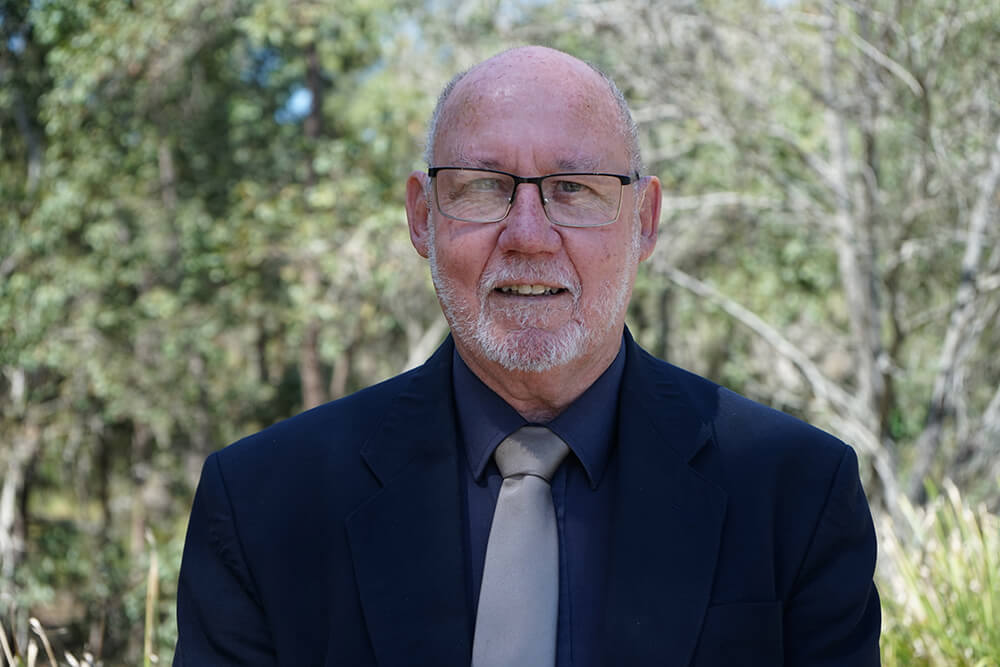
Dr Ross Wylie
Dr Ross Wylie has positively contributed to Australian biosecurity through more than 50 years of public service, scientific leadership and innovation in invasive species management. A renowned forest entomologist and biosecurity specialist, he has played a pivotal role in strengthening Australia's ability to prevent, detect and eradicate invasive pests. His work has transformed surveillance systems, emergency response capability and pest management practices, helping safeguard Australia's industries, environment and communities from some of the world's most significant biosecurity threats.
A notable aspect of Dr Wylie's career has been his ability to translate scientific innovation into practical biosecurity outcomes. In 1995, he established Queensland's first forest health surveillance system, laying the foundations for modern forest pest surveillance in Australia. He also developed Australia's first post-border hazard-site surveillance system for forest invasive species and led collaborative projects across 8 Asia-Pacific countries to strengthen pest detection and response capability. These initiatives improved regional preparedness and enhanced Australia's ability to identify emerging threats before they reached Australian borders.
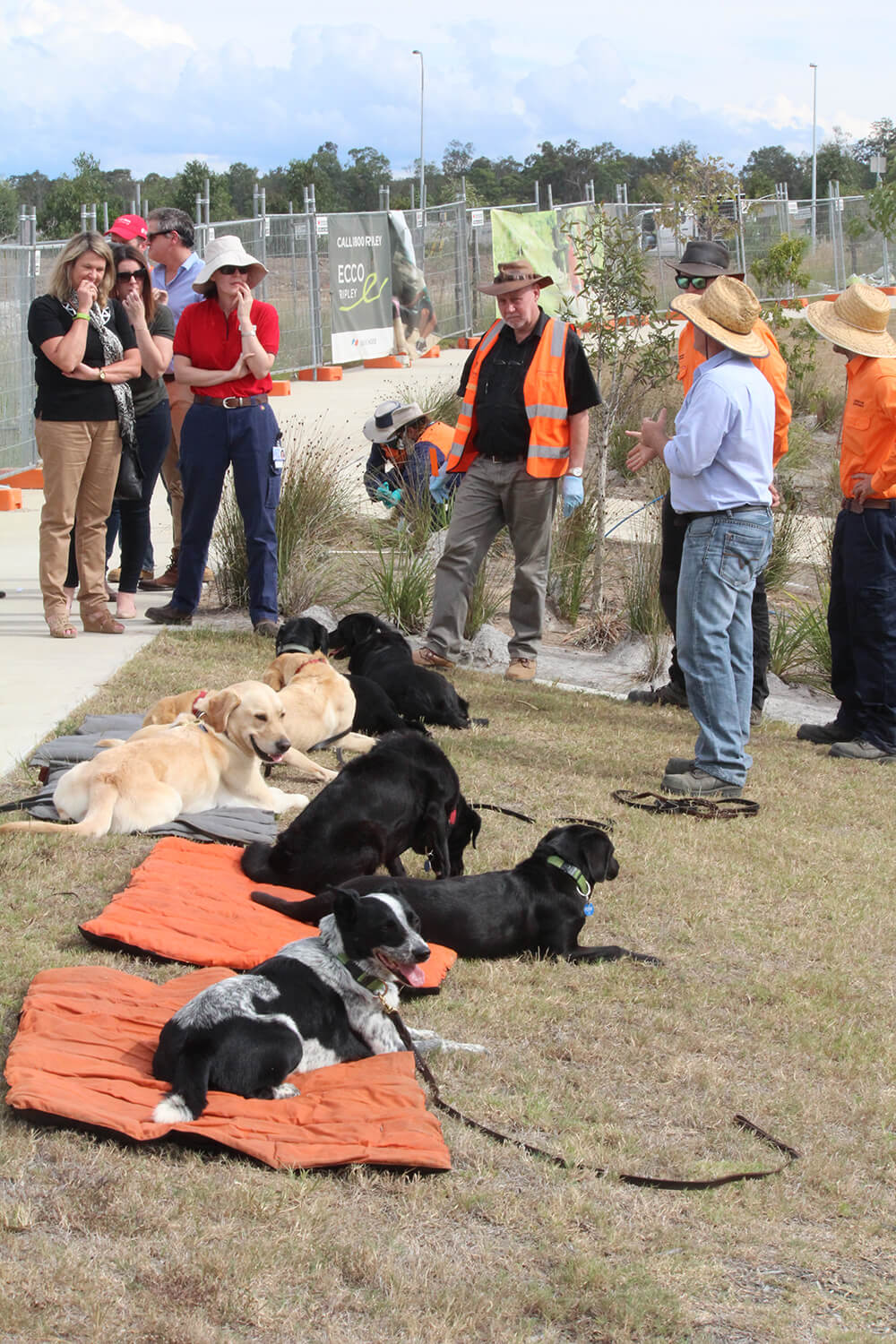
As Science Leader for the National Fire Ant Eradication Program, Dr Wylie guided the scientific direction of one of Australia's largest invasive pest eradication initiatives. Under his leadership, the program adopted advanced technologies, including thermal imaging, remote sensing, environmental DNA surveillance, genetic analysis and odour detection dogs. These innovations enabled earlier detection, more effective treatment and helped establish Australia as a global leader in invasive ant eradication.
His leadership has transformed Australia's approach to invasive ant eradication. Under his direction, fire ant infestations were successfully eradicated from the Port of Brisbane, Brisbane Airport, Yarwun, Gladstone and Port Botany. He also played a critical role in securing ongoing government investment in eradication efforts through rigorous scientific analysis and evidence-based risk assessment. Under his guidance, the program became the first ant eradication initiative globally to routinely use genetics and remote sensing technologies at the scale employed in South-East Queensland.
Throughout his career, Dr Wylie has combined scientific excellence with a commitment to collaboration, knowledge sharing and capability building. His expertise has supported invasive species management across 17 countries, and he has authored more than 100 scientific papers and 4 books while mentoring generations of scientists and biosecurity practitioners.
Through his leadership, innovation and commitment to public service, Dr Ross Wylie has made a notable contribution to Australia's biosecurity system. His work has strengthened surveillance, advanced invasive pest management, improved eradication capability and built enduring scientific capacity within government. His contributions have delivered lasting benefits to Australia's industries, environment and communities.
Watch a video about their work
Video transcript
Introduction
This is the accessible text transcript of the 2026 Australian Biosecurity Awards winner video featuring Dr Ross Wylie.
Transcript
Hello, I'm Ross Wylie, and I'm deeply honoured to receive a 2026 Australian Biosecurity Award.
I recently retired after 57 years in the workforce, with a career focused on forest entomology and invasive species management.
One lesson I learned early, is that in biosecurity, timing is everything. In forestry, by the time a new pest or disease is detected, it's often too late.
And that's why much of my work focused on developing forest health surveillance systems and post-border surveillance to improve the early detection of invasive pests, both here in Australia and in the Asia-Pacific region.
For the past 20 years of my career, I had the privilege of working with the National Fire Ant Eradication Program, serving as Chair of the Science Advisory Panel, Science Manager, and later Science Leader.
The red imported fire ant is one of the most significant biosecurity threats Australia's ever faced. I'm proud to have played a part in Australia's effort to eradicate this super pest, a challenge that continues today.
Science and innovation have been central to that effort. Over the years, I was proud to contribute to advances in surveillance and detection, including remote sensing technologies and research into environmental DNA. These advances are strengthening Australia's biosecurity capability and helping position Australia as a world leader in fire ant eradication.
The importance of biosecurity cannot be overstated. Protecting Australia requires preparedness, strong partnerships, sustained investments and community support. Biosecurity is truly a shared responsibility.
I sincerely thank Jenny Logan for nominating me, and my colleagues across the fire ant eradication program and forestry for their support, expertise and friendship over many years.
I've been fortunate to enjoy a rewarding career. One of its most fulfilling aspects has been mentoring and supporting the next generation of scientists and biosecurity professionals.
I accept this award with gratitude and on behalf of the many colleagues whose dedication, collaboration and innovation have contributed to this shared achievement.
Photos