
Many of our homes and workplaces were built for a milder climate that no longer exists. As Australia braces for more days above 40ºC and hot nights, many homes - especially older or poorly insulated ones - become unsafe as heat overwhelms the body's natural cooling systems.
Authors
- Abby Mellick Lopes
Professor, Social Design, Faculty of Design and Society, University of Technology Sydney
- Cameron Tonkinwise
Professor, School of Design, University of Technology Sydney
- Louise McKenzie
Postdoctoral research fellow, School of Design, University of Technology Sydney
Wealthier households may be able to retrofit homes to stay cool using passive thermal techniques or air-conditioning more freely, but rising energy costs make this difficult for many people. Extreme heat hits everyone, but the burden falls most heavily on those with the least resources.
As bushfires become more frequent and fire season extends over longer, hotter summers , bushfire smoke adds another layer of risk. Houses relying on natural ventilation draw unsafe air inside, while poorly constructed homes allow smoke to leak indoors. In both cases, people are left without safe shelter - a basic human right
It would take decades to upgrade every home in Australia to protect against heat and smoke, particularly given the return on investment from housing is prioritised in a capitalist system over housing's social role .
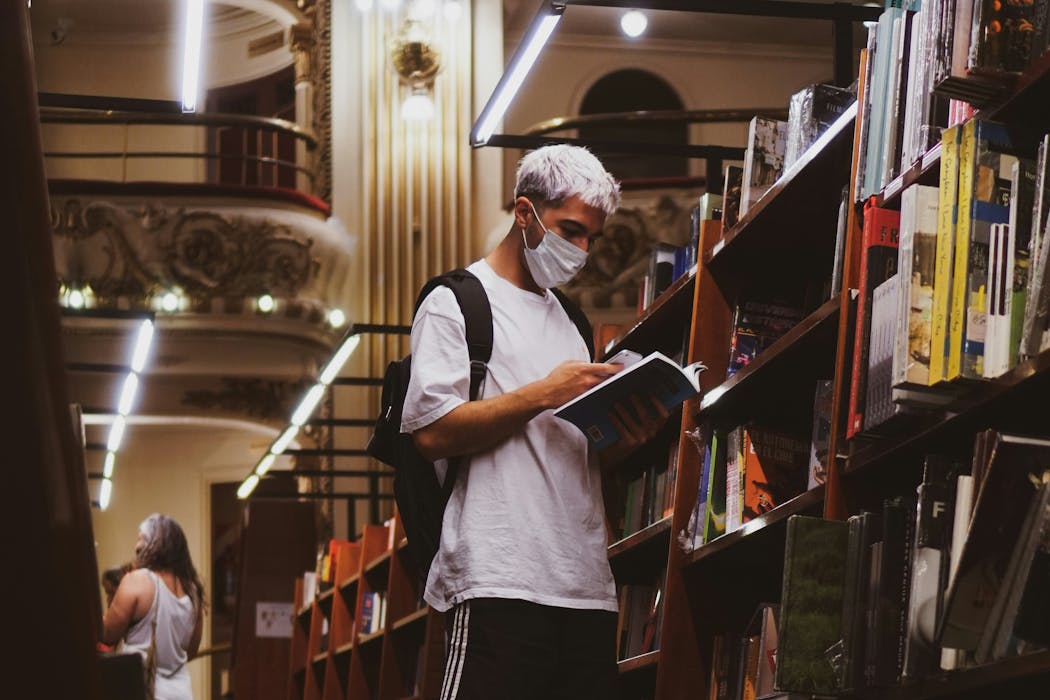
This means many people will increasingly need climate shelters - cool, safe public places such as libraries and communities centres where people can escape heat and smoke.

What is a climate shelter?
Also known as a climate refuge, clean air shelter, heat haven and resilience hub, a climate shelter is a public place providing temporary protection during extreme weather. Typically, these are existing facilities like community centres, libraries or even schools . When needed, they provide free access to air-conditioning, drinking water, power, Wi-Fi and other amenities.
The concept is gaining traction globally. In 2019, Barcelona - a city that has experienced record-breaking temperatures in recent years - established the Climate Shelters Network of shaded outdoor areas and indoor cooled spaces. The city aims for all residents to be within a five-minute walk of a shelter by 2030.
In China, underground air-raid shelters from the second world war have been repurposed as cooling centres. In Chongqing, many now operate as an " underground city " of cooler social spaces for activities such as eating the city's famous hot-pot.
In the United States, climate disasters have long been linked to the design and management of cities. In Chicago, for example, heat deaths have resulted from power grid failure, prompting the establishment of "climate resilience hubs" to ensure communities have access to power with solar and battery storage.
What happens in Australia?
Necessity has forced Australia to become better at establishing emergency centres such as bushfire bunkers and temporary evacuation centres stocked with slabs of bottled water and rows of camp beds. But more preparation is needed for heat and smoke events that don't meet the threshold for disasters .
People often turn to shopping centres, cinemas, fast-food restaurants (particularly those with indoor play spaces), or social clubs to escape the heat. But these commercial spaces prioritise consumption, not public health. In the ACT, allowing clubs to function as heat and smoke refuges has generated community concern about the harm from gambling .
In response, non-commercial refuges are stepping up. Libraries, community centres, and even places of worship have served as climate shelters in recent summers.
The Blacktown City Cool Centres program kicks into action when the temperature reaches 36ºC, alerting registered residents with a text message. The City of Melbourne offers a similar Community Cool Places program. In Eurobodalla, on the NSW south coast, seven volunteer-run Heat Havens opened in January this year, retrofitted with solar and backup generators. This keeps them operational during bushfires, a recent experience for residents.
Climate haven challenges
Climate shelters are still a new idea, with many programs in an early or pilot phase. This offers us opportunities to learn and improve. Common challenges include low awareness among vulnerable groups and concerns about their accessibility.
Climate shelters are needed most in low-income urban areas where there are typically fewer trees and therefore shade, which makes even a five-minute walk on an extremely hot and smoky day a challenge . Safe journeys also require accessible public transport .
Accessibility extends beyond physical distance. It must also consider the intersecting issues of social and cultural safety and comfort . This includes the needs of people with medical conditions, mobility issues or disabilities and their carers, those who require private space for religious observance, and people who cannot leave pets behind.
Crucially, the activities available at the centres - especially during long stays - will strongly influence whether people are willing to leave home and use them.
Operational challenges, such as opening hours and appropriate staffing to support people who may be unwell or in distress, all require thought .
In many cases, protection from bushfire smoke potentially requires building improvements and retrofits such as air locks, reliable backup power and high-quality air filtration. More research is needed to develop guidelines and evaluate the effectiveness of these climate shelters .
Creating climate-ready cities
Our research into Community Resilience Centres will identify best practice in establishing climate shelters to protect vulnerable people from heat and smoke. We will monitor air and temperature and ask communities to help us design guidelines and resources to address accessibility concerns.
Climate shelters will be increasingly crucial in cities which are far from "climate-ready". But thinking of them as an option of last resort reduces the likelihood they will be used. We need to find ways to create shelters that offer welcoming cool havens that care for all residents .

Abby Mellick Lopes receives funding from the National Health and Medical Research Council (NHMRC)'s targeted call for research into climate-related health impacts and effective interventions to improve health outcomes, led by Professor Sotiris Vardoulakis at the University of Canberra. We acknowledge all researchers contributing to this project. She also receives funding from the Australian Research Council (ARC) Linkage Program.
Cameron Tonkinwise receives funding from the National Health and Medical Research Council's (NHMRC) targeted call for research into climate-related health impacts and effective interventions to improve health outcomes. He also receives funding from the Australian Research Council (ARC) linkage program.
Louise McKenzie receives funding from the National Health and Medical Research Council (NHMRC) and volunteers for Sweltering Cities (a not-for-profit organisation).


