
The International Labour Organization (ILO) Office for Türkiye, with continued support from the German Development Bank, KfW, has extended the project "Promoting decent work for Syrians under temporary protection and Turkish citizens" until December 2027. Implemented in close partnership with the Ministry of Labour and Social Security and the Social Security Institution (SSI), the project extension will support Türkiye in responding to evolving labour market needs by continuing to support formal employment for Turkish citizens and Syrians who remain in the country, while addressing labour market dynamics associated with the potential voluntary return of Syrians.
In a statement following the signing of the new phase agreement, Mr. Yasser Hassan, Director of the ILO Office for Türkiye said, ''Decent work is the foundation of social justice and socio-economic development. "Through this partnership with the German Development Bank, KfW, we have already supported 67,000 workers and businesses owners, access skills, information, and incentives to increase access to formal jobs. With this new phase, we are continuing to protect livelihoods in local communities while equipping those returning to Syria with the practical tools they need to rebuild their lives."
Building on a strong foundation of action
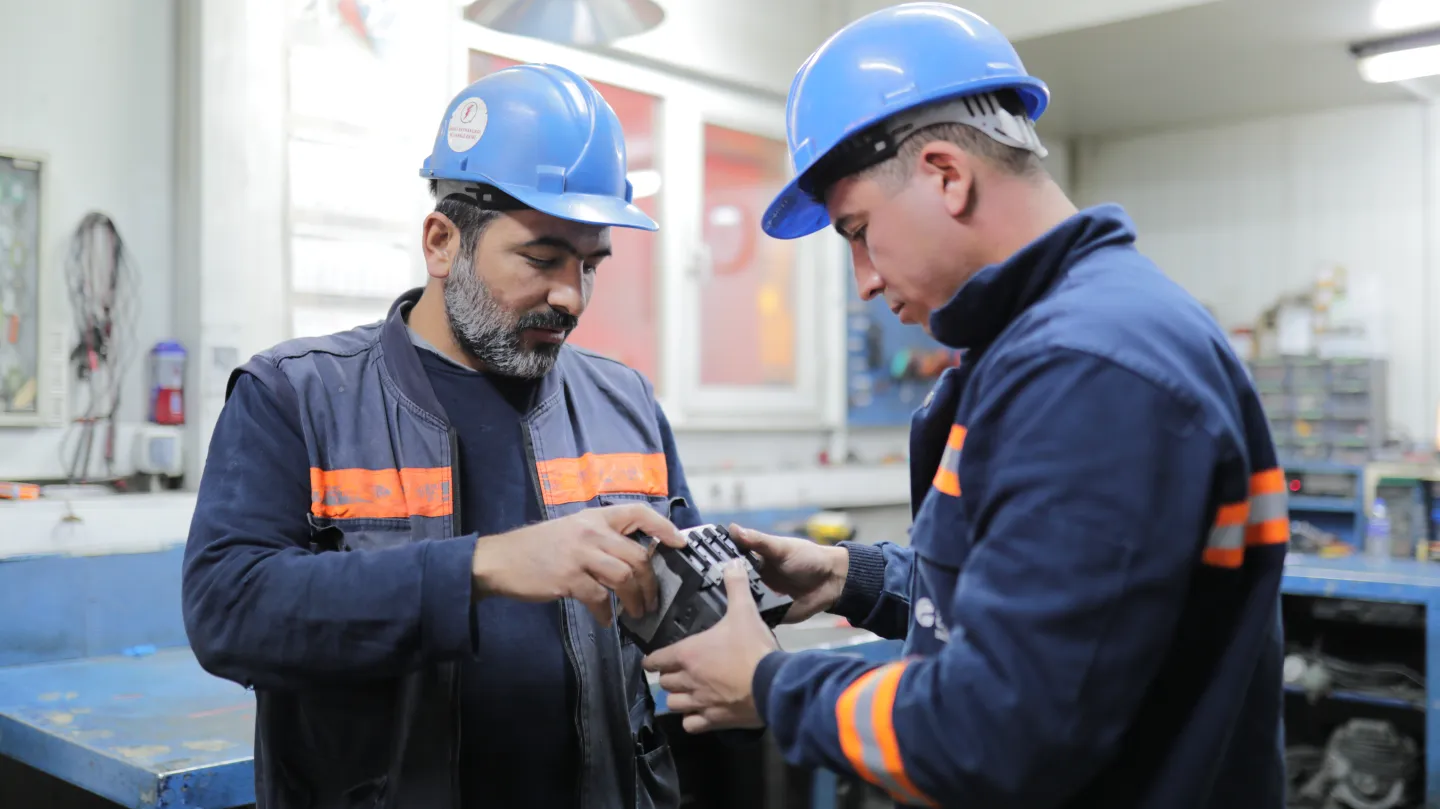
Since 2018, the project has helped Syrians refugees and Turkish citizens to access formal employment through three main components. Its work-based learning programme (İŞMEP) equips participants with enterprise-based training that leads to sustained employment, while the Transition to Formality Programme (KİGEP) subsidizes social security contributions and work permit fees for employers. Complementing these, local BİLMER information centres provide on-the-ground guidance and formality support. Together, these efforts have secured formal employment for over 27,000 workers - 65 percent of whom have remained in formal employment after project support ended - and guided approximately 36,000 workers and business owners through BİLMER hubs.
© Bülent Kulfel/ ILO
Demonstrated impact across workers and enterprises
Through its integrated components, the initiative has generated lasting improvements in labour market formalization and social cohesion. ILO research shows that for most of the Syrian beneficiaries, the programme provided a first entry point into formal work, offering the security of contracts, social protection, and safer workplaces. Turkish workers reported to have gained better working hours and healthcare coverage, while businesses reported that practical subsidies and on-the-job learning helped them meet urgent skill needs without having to cut jobs.
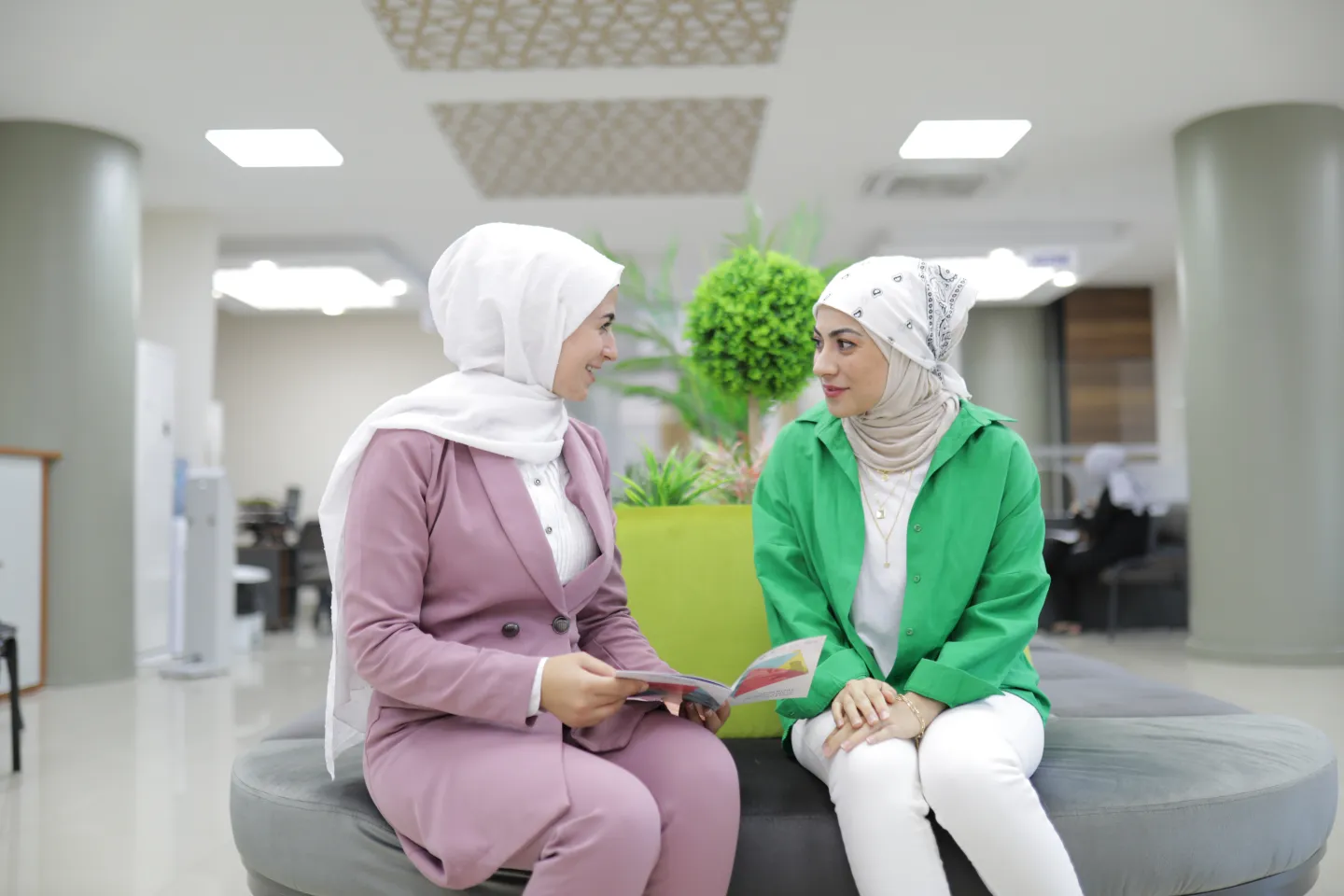
Moving forward, the project will expand the work-based learning model through Chambers of Tradesmen and Artisans in cities such as Gaziantep, Mersin, Bursa, and Istanbul, giving employers access to skills and providing jobseekers with career guidance, vocational training, and job placements with dedicated opportunities for women and persons with disabilities. In parallel, local BİLMER offices will be strengthened to provide community-based enterprise development services to help micro-and small businesses improve productivity, navigate economic pressures, and sustain formal employment.
© Bülent Kulfel/ ILO
This extension marks over eight years of close cooperation between the ILO and the German Development Bank, KfW, reinforcing an enduring partnership with the Government of Türkiye and social partners to ensure decent work, economic resilience, and social cohesion
"I am pleased to announce that, in response to changing regional circumstances, we will also introduce a dedicated digital platform providing reliable labour market information, guidance for enterprises undergoing transition, and reintegration support for Syrians opting for voluntary return," said Yasser Hassan, Director of the ILO Office for Türkiye. "This will enable us to adapt our support to emerging labour market needs while continuing to promote decent work and formal employment."
The interventions will be embedded into institutional frameworks alongside social partners to ensure long-term local ownership and service continuity beyond 2027.


