
Key points
- The project will develop case studies highlighting best practice approaches for Indigenous-led research involving cultural medicines.
- The work aims to elevate Indigenous science and Traditional Knowledge in research and development (R&D).
- Findings will also help inform future frameworks for ethical and culturally aligned research with native Australian plants.
Indigenous leadership in cultural medicine research
Traditional Knowledge has supported health and wellbeing practices for thousands of years using medicinal plants and cultural medicines.
But how can that knowledge be applied appropriately for use in scientific drug discovery?
Following a recognition that there is still a large amount of biopiracy that occurs in native plant research, where biological resources or cultural knowledge is taken without permission, a research project was initiated to explore the question. This revealed a need to elevate case studies that highlight what best practice approaches look like for Indigenous-led research with cultural plants.
Funded through a CSIRO Indigenous Research Grant, the first output from this project is a paper that explores how drug discovery R&D can be performed in a way that centres 'two-ways knowing' in its methodology – an approach that values both Indigenous and Western knowledge systems and seeks to integrate them in mutually respectful ways. It includes several reflective questions for the reader including:
- How can we protect Indigenous sovereignty when money and patents start to enter the equation?
- What does 'two-ways knowing' mean in practice for your field or community and how can we put it into action?
- Even if knowledge is in a public or historical text, should there still be accountability to the original peoples or lands it may have come from?
- How can we ensure that communities that share their knowledge stay involved throughout all stages of R&D?
The project team is now focussed on speaking to key Indigenous leaders to gather lived experiences of cultural plant R&D. The work aims to strengthen understanding across the research sector of how respectful collaboration and protection of Indigenous Cultural and Intellectual Property (ICIP) - which refers to the rights of Indigenous peoples to own, control and manage their cultural knowledge, materials, data and expressions – can underpin ethical research practice.
"Cultural medicines have always played a vital role in the health and wellbeing of Aboriginal and Torres Strait Islander communities, but too often this knowledge is not recognised or properly protected in research and development," said Dr Alana Gall, a Truwulway and Litamirimina woman and Indigenous partner on the project.
"This project is about ensuring Indigenous leadership is central, and that cultural medicines are approached in ways that respect Knowledge Holders and deliver benefits back to community."
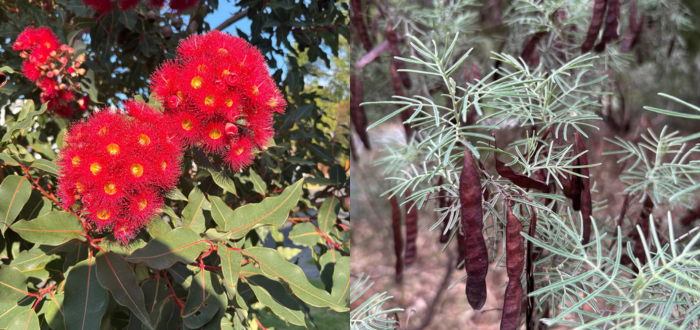
Elevating Indigenous science
This project highlights the expertise, innovation and leadership that Aboriginal and Torres Strait Islander communities bring to R&D.
Researchers will explore how Traditional Knowledge and western science can work alongside one another in culturally aligned ways, while ensuring communities remain central to decision-making about how knowledge is used and shared.
The project will also contribute baseline data to a broader body of work focused on strengthening best practice approaches for research involving native Australian plants, in line with growing recognition of the importance of Indigenous-led approaches in this field.

"This project showcases the opportunities that can emerge when research is guided by respectful engagement with Indigenous knowledge," said Dr Katherine Locock, CSIRO Senior Research Scientist.
"Sometimes there can be hesitation around working in this space, but it's important that we continue building approaches that are culturally respectful, collaborative and community led."
Shaping future research approaches
By documenting real-world examples and lessons learned, this project aims to strengthen pathways for Indigenous-led innovation, knowledge protection and benefit sharing in future work.
It reflects a growing shift in research and development, where Indigenous leadership, knowledge systems and cultural authority are not only recognised, but central to how science is designed and delivered.


