
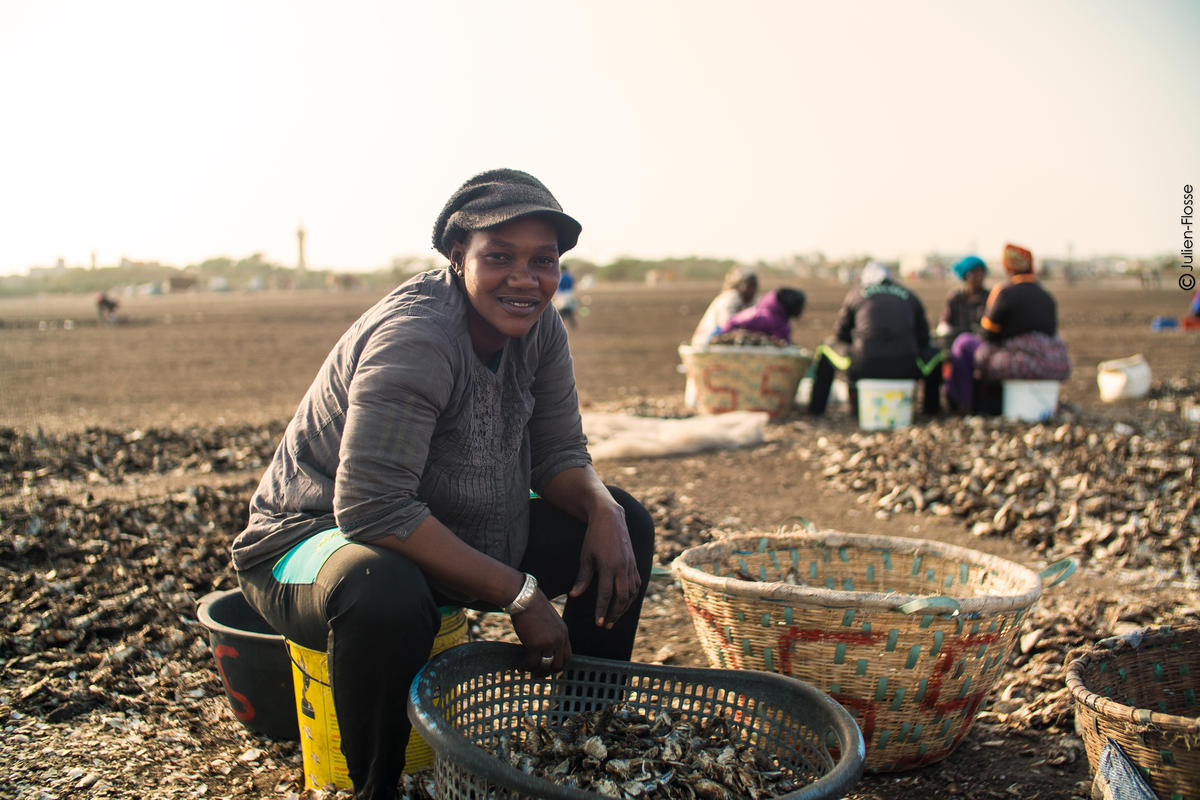
What connects a fishing community in Thailand, Indigenous Peoples in the Amazon, women fish processors in Senegal and Sámi youth in northern Finland? They live thousands of kilometres apart, in very different landscapes and cultures. The pressures on their territories are different too: industrial agriculture and infrastructure, oil development, industrial fishing, pollution and climate change.
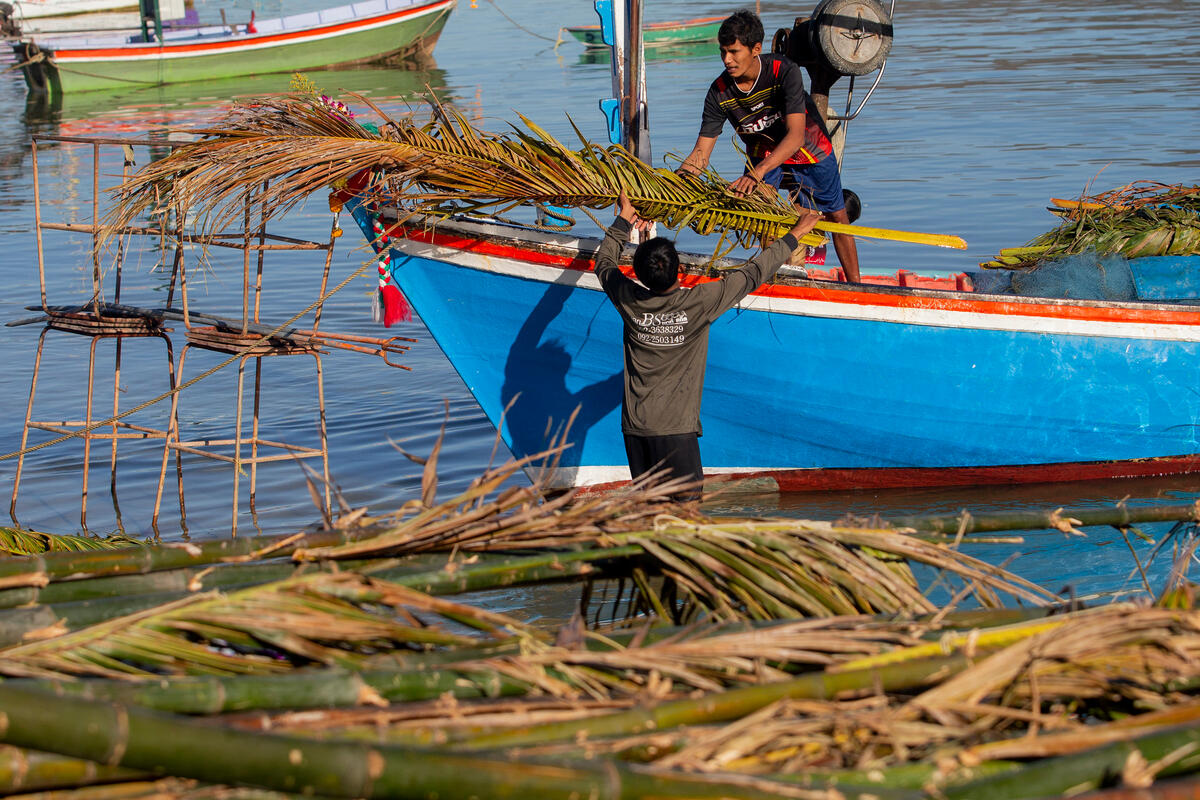
Yet, if you look across these places, a shared story begins to emerge. While lands and waters that have sustained communities for generations are being polluted by corporations in the name of profit – often with little regard for the people whose lives are rooted in them -, communities in those same territories are standing their ground. They are defending their rights, resisting destructive projects and drawing on generations of knowledge and their own ways of governing and caring for the places they call home – and that we all depend on.
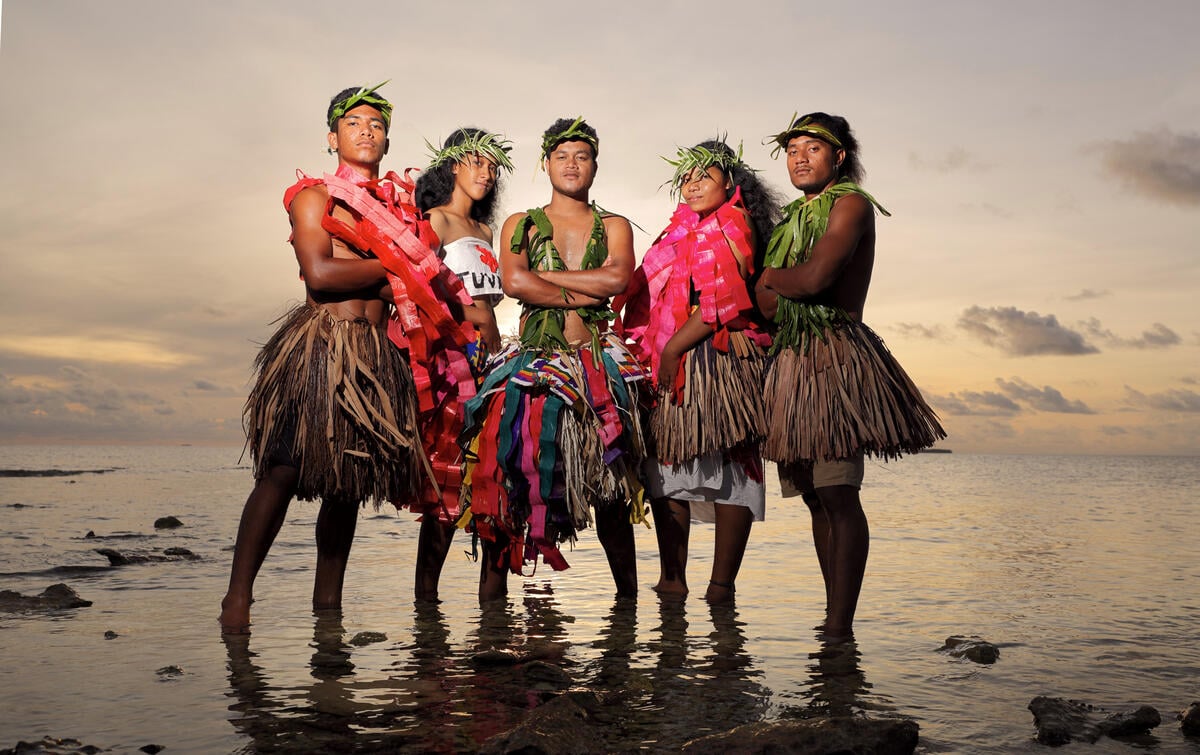
The threats take many forms, and so does the resistance. But at the heart of these stories is a common thread: the determination to keep nature, culture and ways of life thriving together, as they have for generations.
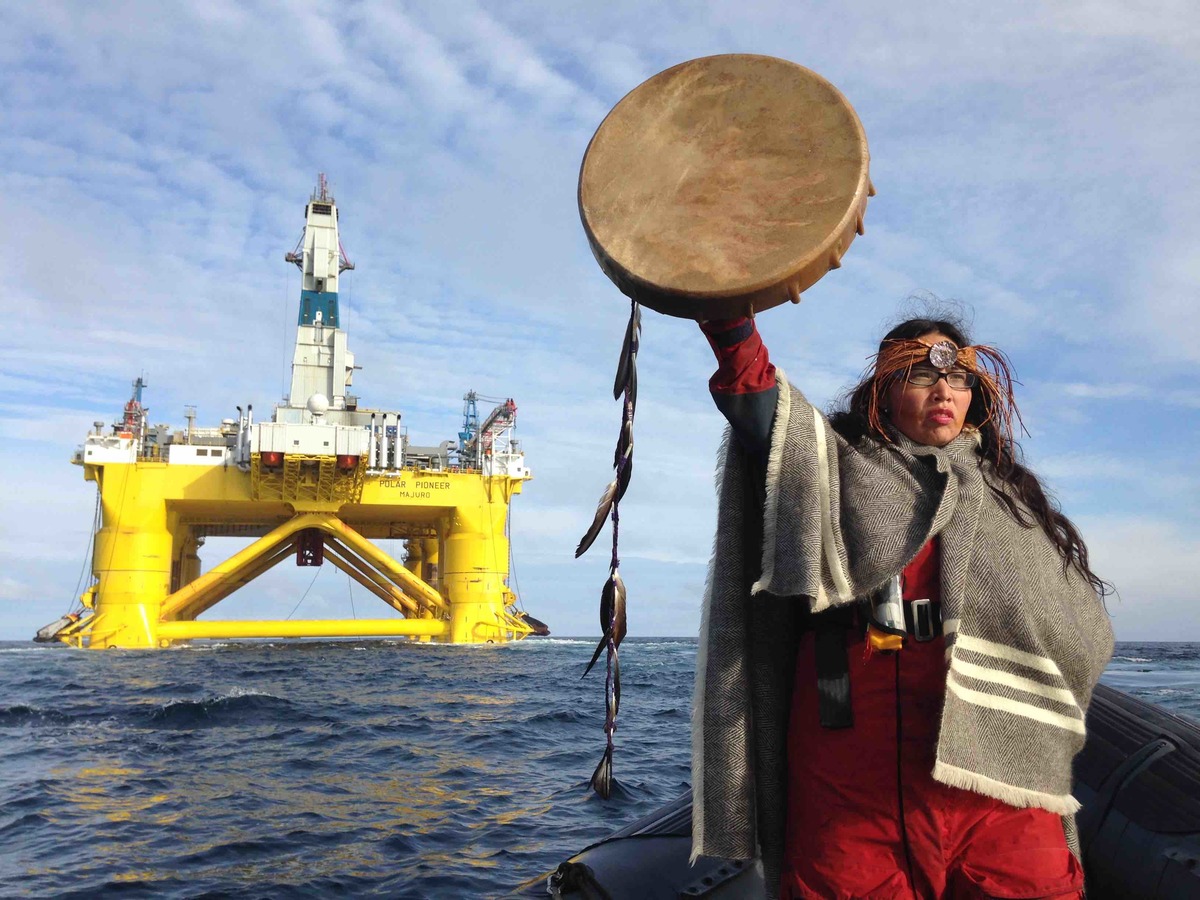
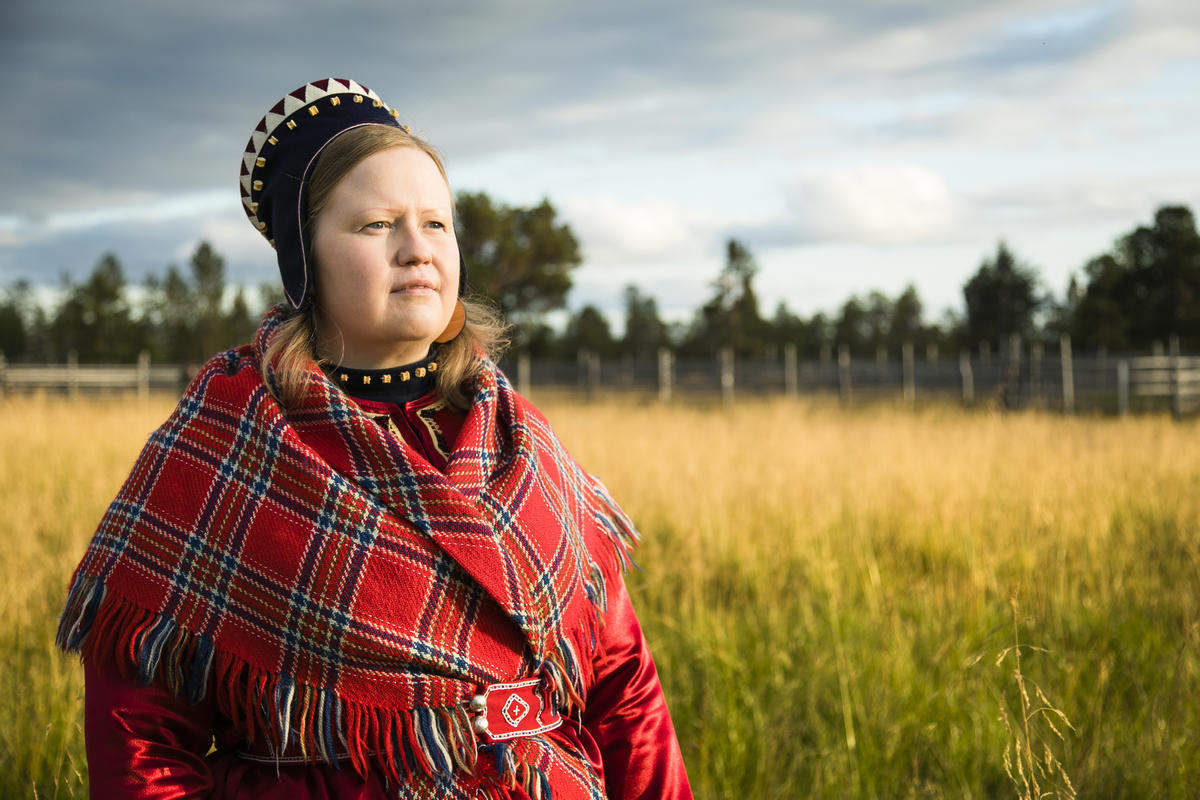
To celebrate this resistance, we have brought together images of Indigenous Peoples and local communities from around the world. Taken through the years and across continents, they capture stories and moments that continue to resonate today, and the people behind them. They highlight something too often missing from global conversations about biodiversity: protecting lands and waters cannot be separated from the rights, knowledge and ways of life of the people whose lives are rooted in them.
From October 19th to 30th, governments will gather in Yerevan, Armenia, for CBD COP17, the UN Biodiversity Conference. This will mark the first global review of how countries are implementing the Kunming-Montreal Global Biodiversity Framework, the landmark agreement adopted in 2022 to halt and reverse biodiversity loss by 2030. It will be a critical assessment of whether commitments made on paper are translating into meaningful action on the ground.
For Indigenous Peoples and local communities, what happens next matters. COP17 is an opportunity for governments to advance the recognition of Indigenous and Traditional Territories as a key part of achieving the global 30×30 conservation target, ensure that conservation respects rights and community choices, and make biodiversity finance directly accessible to communities so they can strengthen solutions on their own terms.
Jaqueline Sordi is Comms Specialist for Greenpeace International


