
An Islamist armed group has killed at least 38 civilians, abducted 9 women, and burned property in 3 separate incidents in northeastern Burkina Faso since late January 2026, Human Rights Watch said today. The atrocities by the Al Qaeda-linked Group for the Support of Islam and Muslims (Jama'at Nusrat al-Islam wa al-Muslimeen, or JNIM) are apparent war crimes.
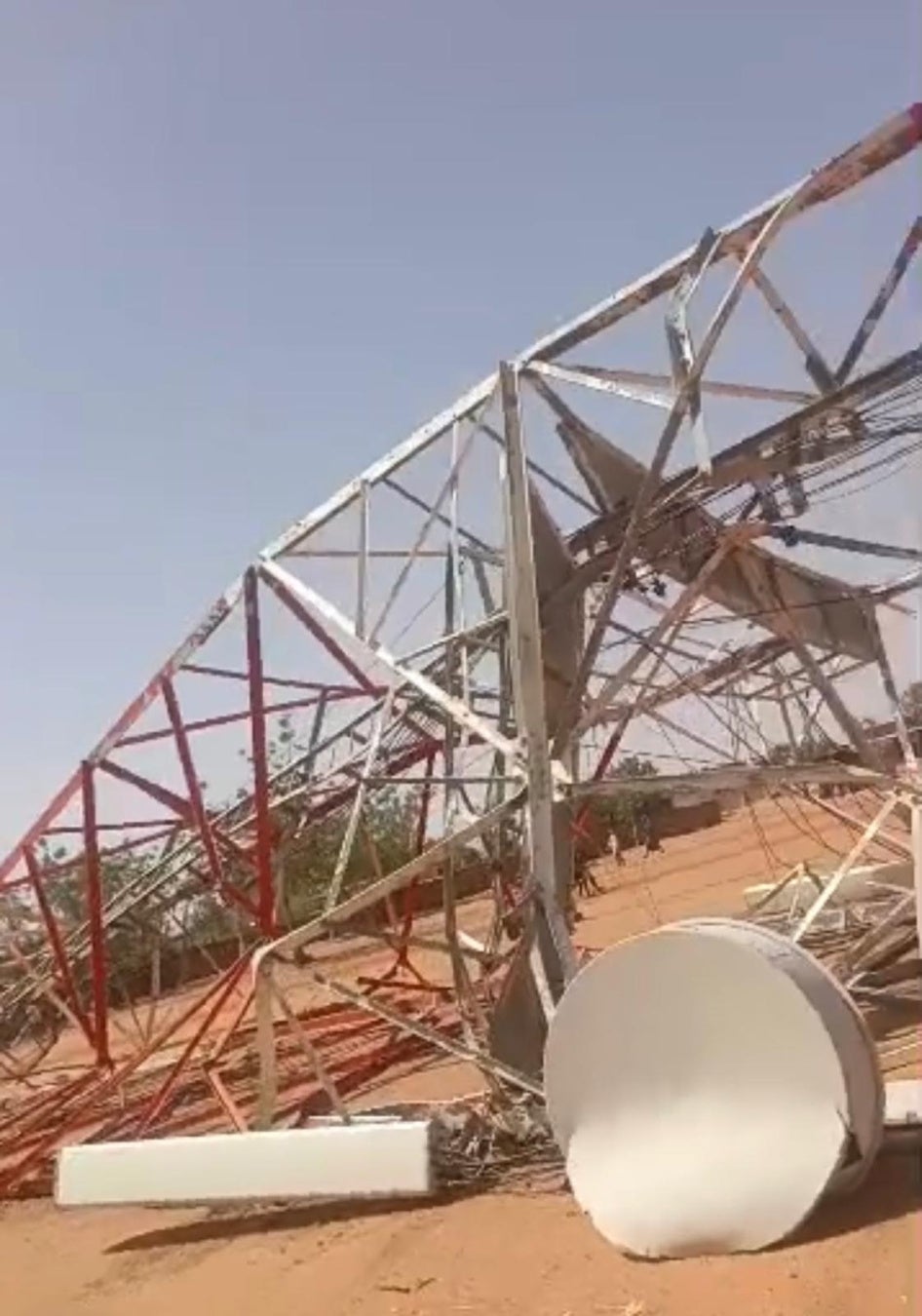
On January 29, JNIM fighters abducted nine women near Sollé village, North region, and threatened them with rape and death, releasing them the next day. On February 14, JNIM fighters executed at least 34 civilians, burned property, and destroyed telecommunications infrastructure during an attack on a military base in Titao city, North region. On February 22, JNIM fighters executed four shopkeepers and burned their shops after attacking a gendarmerie post in Manni town, East region.
"JNIM brutality against civilians in Burkina Faso has been unrelenting," said Ilaria Allegrozzi, senior Sahel researcher at Human Rights Watch. "The current wave of abuses, targeting communities with perceived ties to militias, reflects blatant contempt for the distinction between combatants and civilians."
Human Rights Watch remotely interviewed 20 people, including 10 witnesses to the 3 attacks, journalists, civil society members, and villagers.
The attacks appear to have targeted communities perceived to support or have ties with militias that assist the military in counterinsurgency operations, the Volunteers for the Defense of the Homeland (Volontaires pour la Défense de la Patrie, or VDPs).
Since the start of their insurgency in Burkina Faso in 2016, JNIM and other Islamist armed groups have repeatedly attacked civilians and forcibly displaced tens of thousands. The Burkinabè military junta, which took power in 2022, has also targeted civilians during counterinsurgency operations.
The women kidnapped on January 29, ages 29 to 51, had ventured outside the village of Sollé to fetch firewood. Sollé has been under JNIM siege for four years and combustible material has become scarce.
Two survivors said JNIM fighters took the women to an abandoned settlement about five kilometers from Sollé, questioned them over their alleged ties with VDPs, and threatened to rape them. "Two fighters told their commander: 'These women said they were fetching firewood, but they could be wives of VDPs who came to spy on us,'" said a 42-year-old woman. "They wanted to treat us as war booty." The women said that the commander intervened saying such acts would require authorization from higher leadership.
The next day, another senior JNIM commander questioned the women about the VDPs in Sollè, including their numbers and positions. A third commander finally authorized their release, but ordered the women to wear veils and warned they would be killed if caught again.
In February, JNIM carried out a large-scale, coordinated campaign against government forces and allied militias across the central Sahel and into Benin, with Burkina Faso as the main focus. The nongovernmental group Armed Conflict Location and Event Data reported that JNIM's offensive in Burkina Faso included more than 30 attacks with over 120 soldiers, forest guards, and militia members killed.
On February 14, shortly before 7 a.m., hundreds of JNIM fighters entered Titao on motorbikes and pickup trucks. Witnesses said that some attacked the military base, while others moved through the market firing at civilians and burning shops, destroyed telecommunications infrastructure, and blocked the city's exits.
Residents said that about 200 soldiers from the Rapid Intervention Battallion 21 (Bataillons d'Intervention Rapide 21, or BIR 21) which is involved in counterinsurgency operations, and several hundred militia members are based in Titao.
"I heard the jihadists saying in Mooré language: 'Didn't we warn you not to join the VDPs?'" said a 39-year-old man. "'We are here and we have accessed the heart of Titao!"
Witnesses said JNIM fighters opened fire on all men they found at the market area, but spared women and children. "I hid behind a wall, as men who attempted to run were gunned down before my eyes," a 37-year-old farmer said. "I lost my uncle - I found his body with his face disfigured from multiple bullet wounds."
A 37-year-old trader said that he was at the market when he heard gunfire. "I jumped off a wall while the jihadists were shooting behind me," he said. "I saw my friend and two other men falling under the fire, while I got shot in the leg."
Human Rights Watch reviewed a list compiled by witnesses of 27 victims, ages 25 to 50. International media reported that 7 Ghanian nationals also died in the attack. Ghana's Foreign Ministry confirmed that on February 14 saying, "a truck carrying tomato traders from Ghana … was caught in a terrorist attack in Titao."
The attack also resulted in significant infrastructure damage. Human Rights Watch geolocated a video shared online on February 14, showing a demolished telecommunications tower, in the center of Titao. Human Rights Watch also analyzed satellite imagery from February 14 captured at 11:32 a.m. showing burn marks in the Titao market area and the collapsed telecommunications tower.
"I noticed many men in military uniform near the telecommunications tower, and I thought they were our soldiers until they shouted 'Allah Akbar' and began shooting," said a 40-year-old farmer who hid in his home. "When they left, I saw 15 shops, 3 trucks and 3 buses burned, and the tower down." Witnesses said some of the shops burned belonged to militia members.
On February 15, Burkina Faso's state broadcaster reported that the military carried out airstrikes in response to the attack in Titao, with BIR21 soldiers responding on the ground. A week later, Security Minister Mahamadou Sana visited Titao and said authorities were supporting residents with medical supplies and humanitarian aid.
A 43-year-old trader said that on February 22 at about 1 p.m., fighters surrounded the market in Manni, trapping everyone inside. As gunfire erupted at close range, he hid in his shop. "When the attack was over, we discovered the bodies of our friends, each in front of his burned shop with bullet wounds in the heads and chests," he said. "We covered the bodies with cloth and waited until the night to bury them to the cemetery in four different graves."
JNIM fighters executed four shopkeepers and burned their stores and attacked the gendarmerie and militia positions. "I heard a jihadist saying over the walkie-talkie, in the Gourmantché language: 'Do what we were asked to do quickly and we will withdraw fast,'" a 43-year-old nurse said. "A few seconds later, gunshots rang out towards the market."
Witnesses said JNIM targeted the four men, ages 47 to 61, because their sons had joined the VDPs.
In statements on February 14 and 26, JNIM claimed responsibility for the Titao and Manni attacks, but provided no further information.
All parties to the armed conflict in Burkina Faso are bound by international humanitarian law, notably Common Article 3 to the Geneva Conventions of 1949 and customary laws of war. The laws of war prohibit summary executions, attacks on civilians and civilian property, rape and other sexual violence, and looting, among other violations. Serious violations of international humanitarian law committed with criminal intent are war crimes.
"Burkinabé authorities have an obligation to impartially investigate and appropriately prosecute those implicated in war crimes," Allegrozzi said. "They should seek appropriate international and regional support for this effort."


