
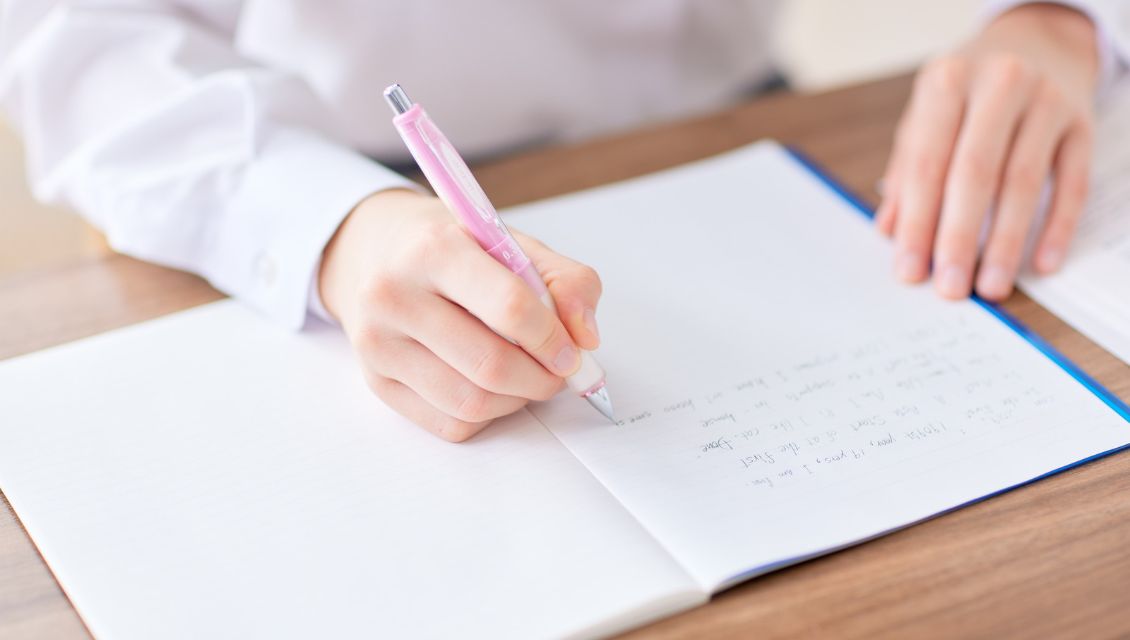
South Australia's public school students will spend less time on screens under State Government reforms being rolled out for the 2027 school year.
The initiatives will see unnecessary screen use banned and the introduction of a screen-free day per week, along with the total banning of laptop and tablet use for Reception to Year 2 students.
Ten public primary schools will take part in a six-month trial for students in Years 3 to 6, ensuring any screen time on laptops and tablets is limited to a clear educational purpose.
The pilot, starting in Term 1 next year, will include one day per week in the classroom dedicated to screen-free, hands-on learning.
Allenby Gardens Primary School principal Vicky Bitzios said that the first years of school were important for building the basics.
"It's important to give them time to practise their handwriting, talk through their ideas and learn by doing," Ms Bitzios said.
"This trial gives us a chance to make more room for those experiences while keeping the technology that helps students learn digital skills.
"We're interested in what teachers notice about how students engage and learn when we change the way screens are used."
The ban on laptop and tablet use for Reception to Year 2 students across all public primary schools will feature exemptions for digital technology skills under the curriculum, classroom smartboards, students with disability or additional learning needs, Distance Education or School of the Air students, and Year 2 NAPLAN preparation.
The changes will also see the reintroduction of pen licences in Year 3 and Year 4 reinforcing the importance of handwriting while giving students an opportunity to develop their skills and celebrate an important milestone in their learning.
It follows education ministers across the nation agreeing to return Year 5 NAPLAN writing tests from screens to pen and paper starting in 2028, subject to further advice from the Australian Curriculum, Assessment and Reporting Authority (ACARA). Year 3 students already complete the writing tests on paper.
The new measures coincide with the introduction of 150 minutes of active learning time per week for Reception to
 Year 9 public school students from the start of next year.
SA Primary Principals Association President Tobias O'Connor said that SAPPA welcomed the trial.
"It's a chance to see what works in primary classrooms and learn from the teachers and students taking part," Mr O'Connor said.
"Children need regular practice writing by hand. They also need to learn to use technology safely and confidently, and to think critically about what they see online.
"Those skills will serve them well in high school and beyond."
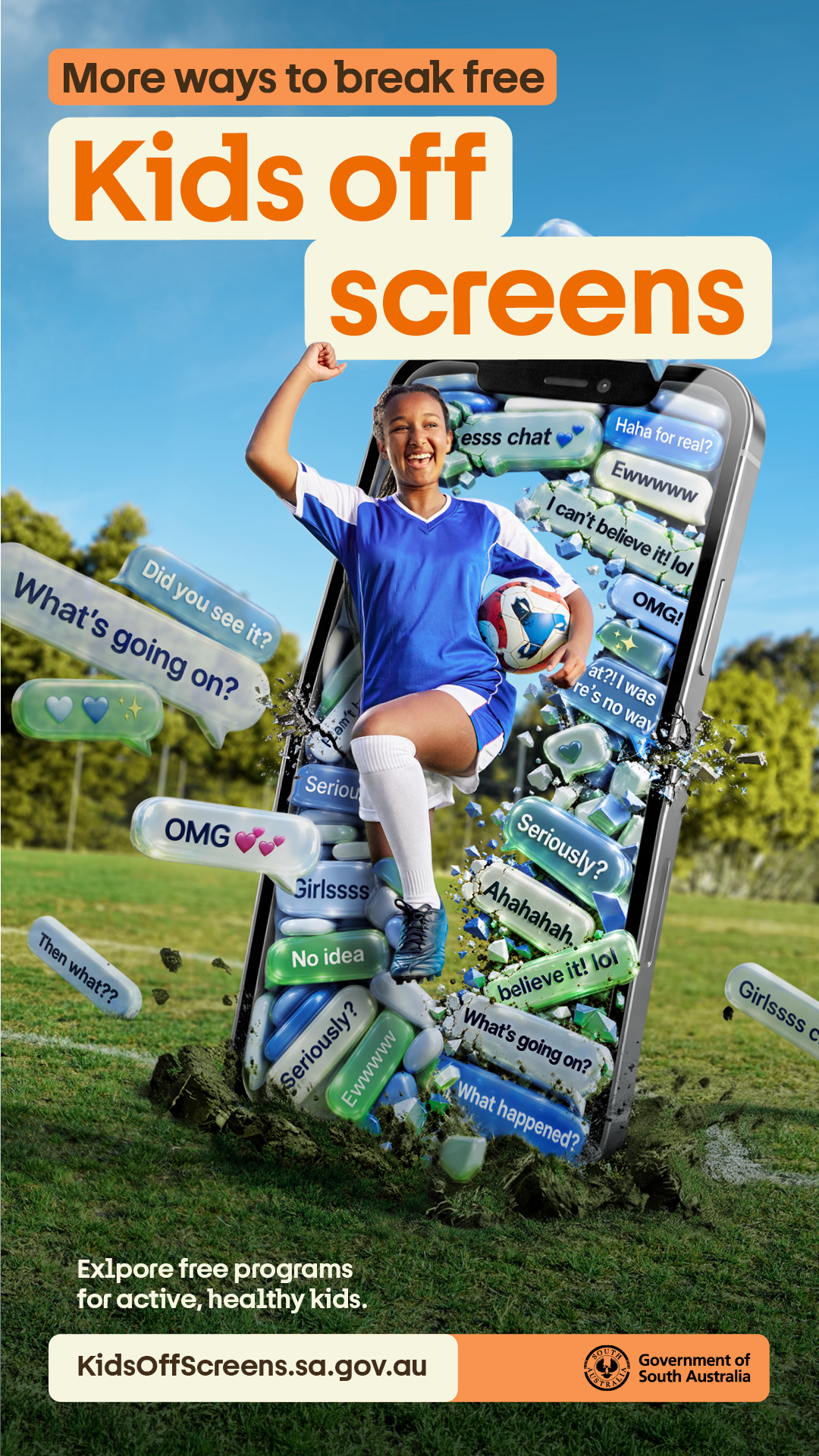
South Australia has led the way through the State Government's $76 million Kids Off Screens initiatives to support active and engaged students, including:
- rolling out the Wait Mate program to help parents delay the introduction of smartphones for kids
- free before and after-school activities for public primary students from 2027
- more free sports vouchers – expanding to 16 to 18-year-olds from 2027
- free Year 7 camps from 2027, with the first 60 eligible schools identified
- more free come-and-try sports sessions.
South Australia has also implemented the nation's strongest school phone ban and driven a world-leading social media ban for children under 16.
In a broader measure to reduce screen time, bring your own device requirements will be phased out in public primary schools from 2027.
Department-managed devices will ensure greater oversight of the websites and content young people can access, helping to restrict inappropriate use, avoid distractions and protect student information.


