
RMIT University's Dr Joseph J. Richardson has won the 2026 Prime Minister's Prize for New Innovators, one of Australia's most prestigious science prizes.
The award recognises Richardson's success turning lab discoveries into products and companies delivering real-world impact, from antimicrobial fabric technologies sold around the world to agricultural coatings that could significantly reduce pesticide use and protect crops from disease.
Richardson said he was honoured to receive the prize and hoped the acknowledgment would inspire researchers to think about how their work could benefit society.
"This prize helps me spread the news to all Australians and all Australian researchers that the science we're doing in the lab can make a difference in the real world, and it will be appreciated," he said.

A career creating impact
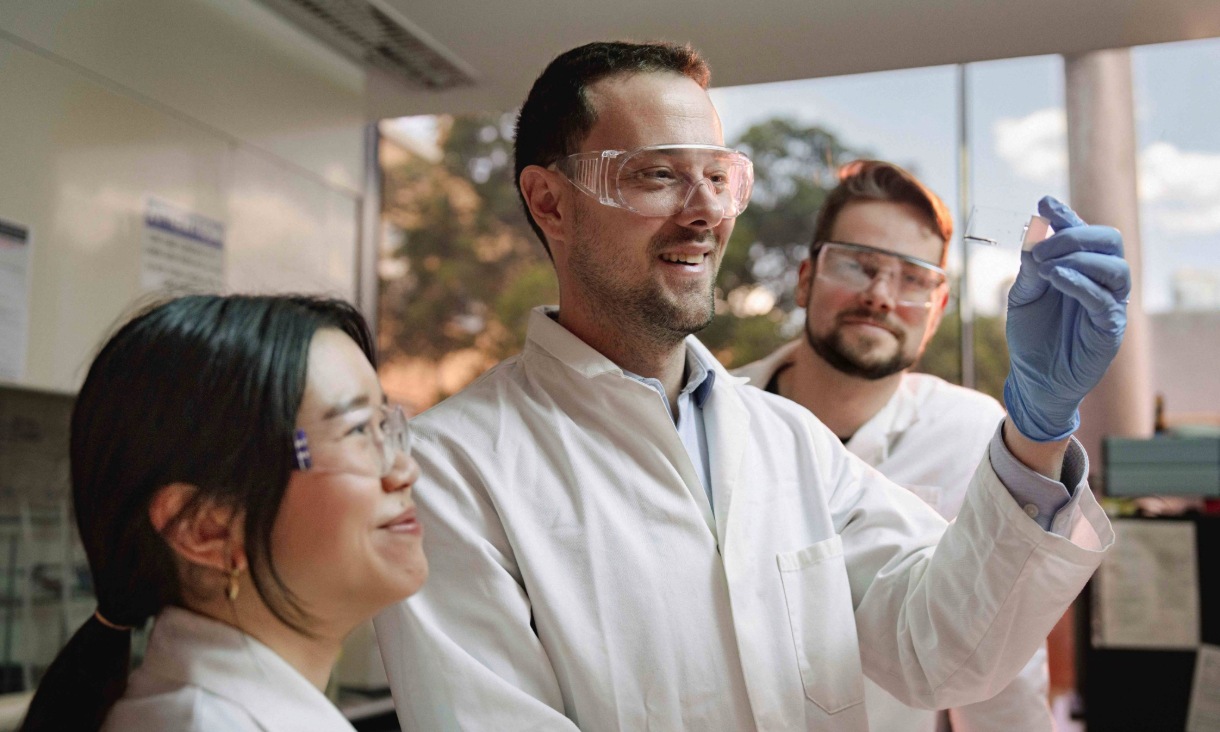
Richardson co-invented a coating technology that combines metals with plant compounds to create ultra-thin protective layers on a wide range of surfaces.
The single-step production process and versatility of the technology - known as Metal-Phenolic Network (MPN) - has seen it adopted by hundreds of research labs worldwide.
While many university inventions remain confined to the lab, Richardson has helped bring Australian-developed intellectual property to global markets by founding two companies around the technology: SWIFF sells antimicrobial, anti-odour fabric sprays, while his agritech company Bionica is developing biodegradable crop coatings allowing farmers to drastically reduce pesticide use while protecting plants just as effectively.
He says these coatings offer an alternative to earlier protective technologies that could be difficult to make and harmful to the environment.
"Ours are cheap, safe, and easy to make, which means they've already impacted millions of lives," he said.
From fabrics to farms
SWIFF products are sold to consumers in 40 countries, with hundreds of thousands of customers.
The venture has secured international intellectual property licensing deals in Canada, China and Australia, and contributed to local advanced manufacturing jobs.
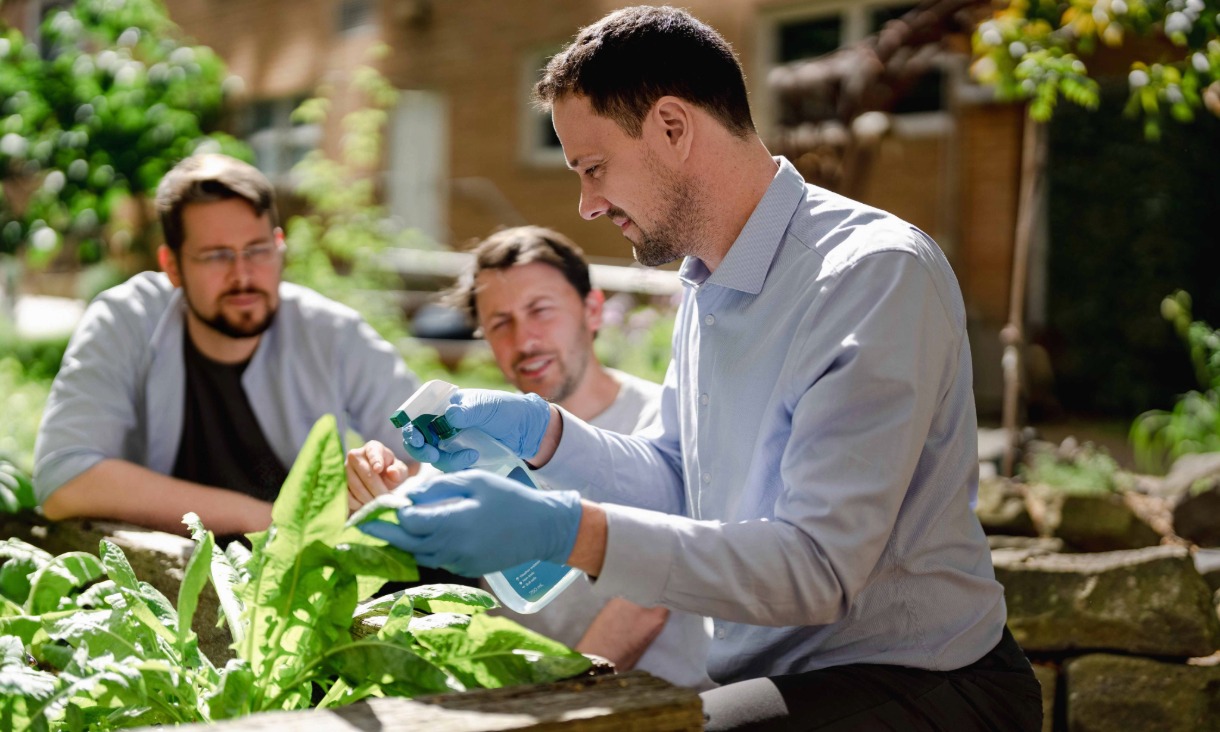
At RMIT, Bionica is developing coatings that help biological treatments and pesticides stay on plant leaves, reducing wash-off and runoff.
Field trials, including work protecting Australian vineyards from grape mildew, indicate the technology could cut pesticide use by up to 8,000-fold, while maintaining or improving crop protection.
The platform is now being tested at scale in Australian agriculture.
The agricultural intellectual property was developed at RMIT and is owned by the University, which has licensed it exclusively to Bionica.
Independent analysis projects the technology could return more than $3 billion worth of produce to the Australian market and safeguard up to 3.5 million tonnes of crops from disease and climate stress.
Reduced chemical use could also help limit runoff and support soil and water quality, biodiversity and food security.
Keeping Australian research in Australia
For Richardson, commercialisation is not only about getting products to market.
He said he sees it as a way to build Australian capability, retain economic value and create opportunities for researchers.
"Keeping local inventions in Australia is really important," he said.
"The whole country should benefit, not just from the technology but economically and from the skills base. For me, keeping the IP, inventions and companies in the country is critical."
Alongside his work with SWIFF and Bionica, Richardson delivers commercialisation workshops and mentors early-career researchers, including PhD candidates.
He aims to give researchers the skills and confidence to develop spin-outs based on Australian intellectual property.
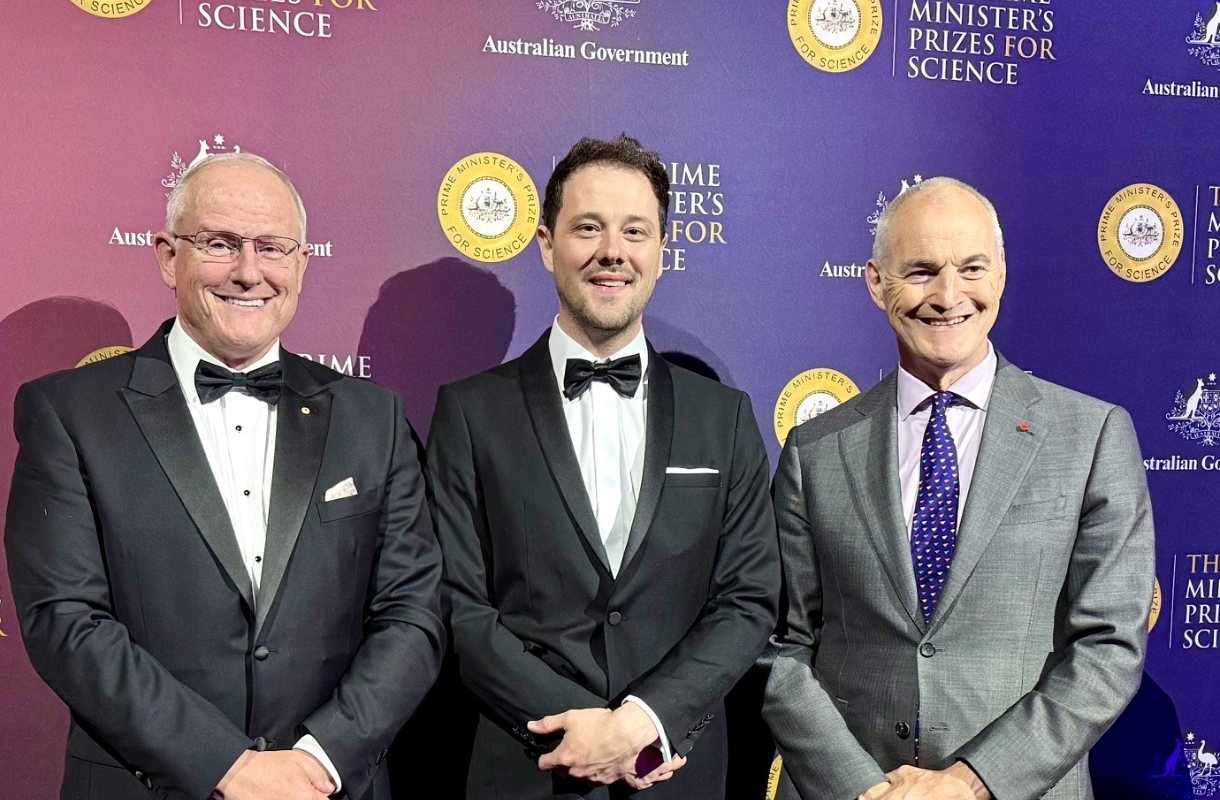
RMIT Deputy Vice-Chancellor Research & Innovation, Distinguished Professor Calum Drummond AO, said Richardson's award recognises his dedication to translating discovery into impact.
"JJ exemplifies what it means to be a truly entrepreneurial researcher," he said.
"He has taken world-class chemistry from the lab and transformed it into solutions already benefiting people around the world."


