
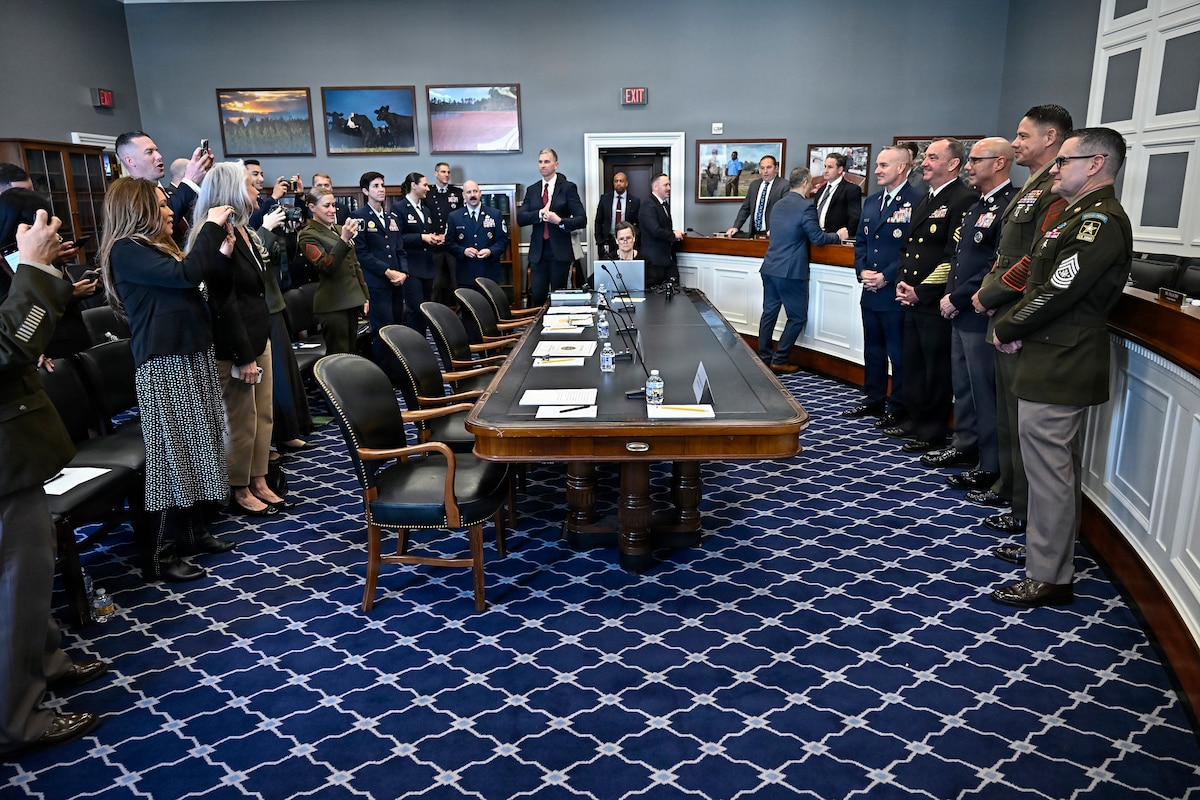
Senior enlisted leaders from across the Department of War told lawmakers on the House Committee on Appropriations, March 25, that quality of life is critical to maintaining readiness as Airmen and Guardians continue to operate in demanding environments worldwide.
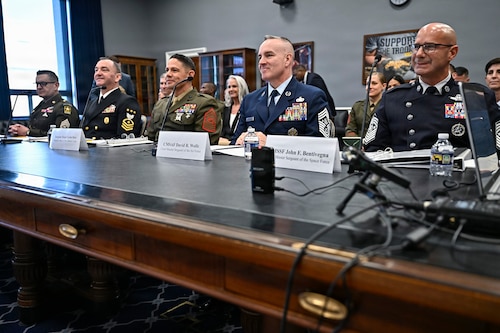
Those demands place increased pressure on Airmen and Guardians to remain mission-focused, reinforcing the importance of reliable support systems at home and on the installation.
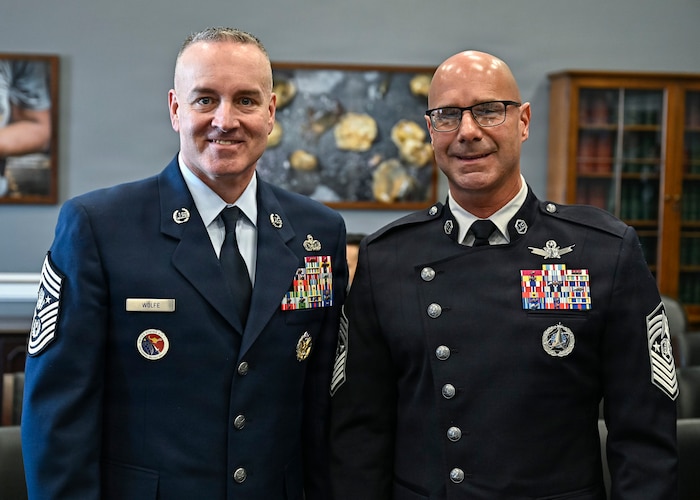
Chief Master Sgt. of the Space Force John F. Bentivegna and Chief Master Sgt. of the Air Force David A. Wolfe provided insight on the needs of Airmen and Guardians, emphasizing the importance of sustained investment in people and infrastructure, and how that impacts mission capability.
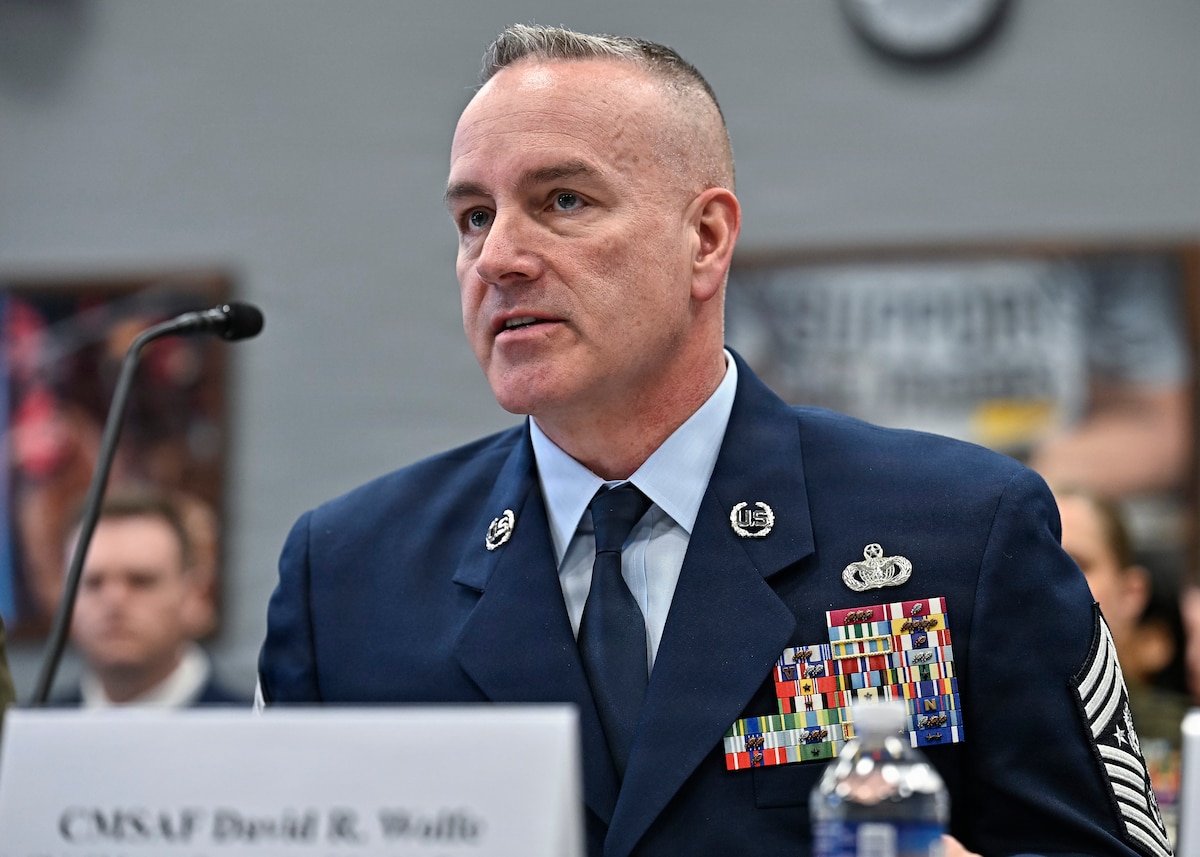
Wolfe pointed to the direct connection between quality of life and mission execution, noting Airmen are actively engaged in combat operations.
"Right now, as we sit in this hearing, Active, Guard, and Reserve Airmen are in the fight," Wolfe said. "They are executing decisive combat missions supporting Operation Epic Fury and directly engaging our adversaries to protect our way of life."
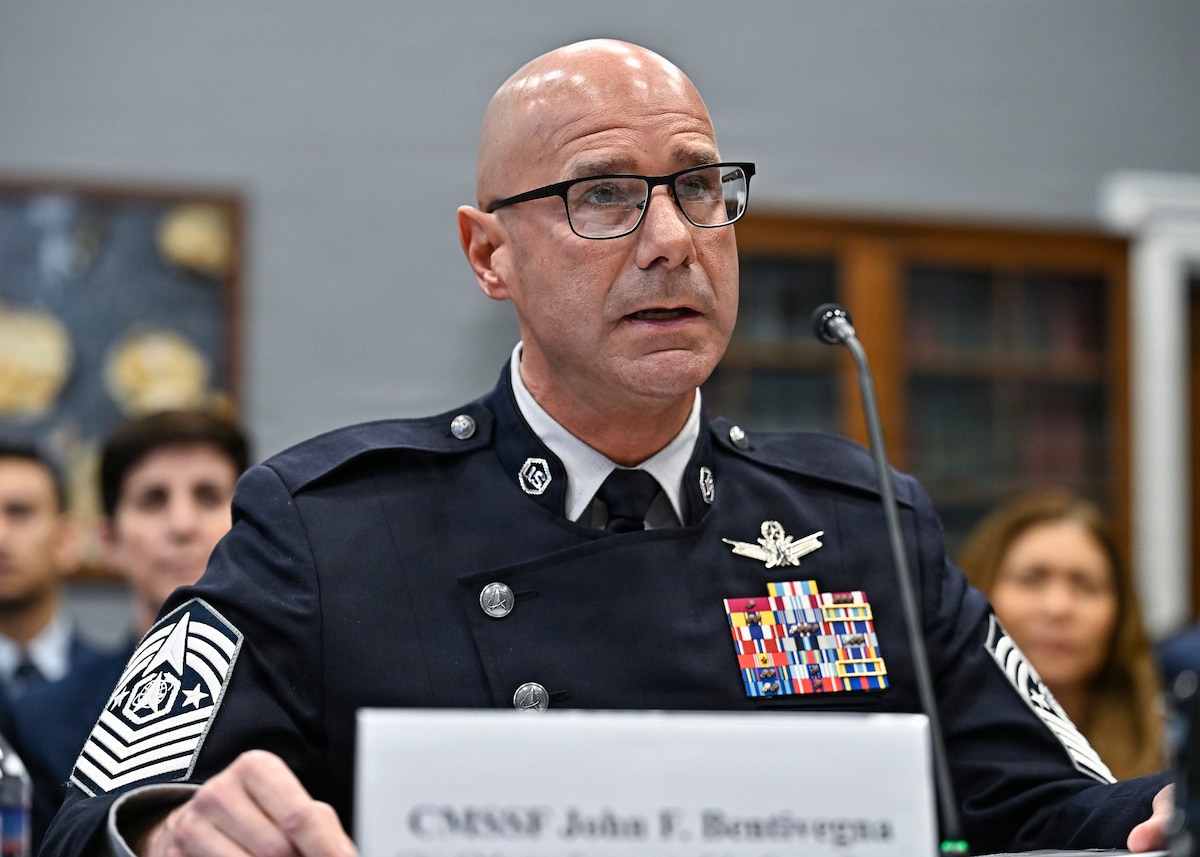
Bentivegna described a parallel reality for Guardians, whose mission requires continuous global operations.
"Our Guardians are the invisible front line," Bentivegna said. "Their professional focus is deeply connected to the stability of their family and community life."
Wolfe emphasized that mission success depends on Airmen being able to focus without distraction.
"When a maintainer in Kuwait is worried about her son who is unable to receive specialized care for his autism spectrum diagnosis, or a cyber operator working a 12-hour shift is concerned about his faulty water heater in privatized housing, their focus is compromised," Wolfe said. "That is a risk we simply cannot afford."
Bentivegna said addressing quality-of-life challenges is essential to maintaining mission focus for Guardians.
"By addressing barriers such as accessible childcare, spousal employment stability and access to quality healthcare, we build a resilient force that can focus on the mission," Bentivegna said.
Wolfe tied that focus directly to readiness, emphasizing that advanced capabilities depend on the people operating and sustaining them.
"A sixtth-generation fighter jet is an impressive machine, but it will sit useless on the runway without the highly trained and motivated human weapon system ready to fly, fix and support it," Wolfe said. "The most critical system upgrade we can make is one which invests in the readiness and resilience of the human weapon system itself."
Bentivegna said that same investment is critical as the Space Force grows to meet increasing mission demands.
"To continue to meet the threats of today and tomorrow, the Space Force must double in size," Bentivegna said. "To accomplish this, we need continued competitive and responsive compensation for service members, as well as a consistent quality of life."
The discussion also addressed strain across the force and the need for modern infrastructure.
"Our maintainers are working miracles to keep our aging fleet in the air," Wolfe said. "But miracles cannot be our primary sustainment strategy."
Bentivegna emphasized the need to modernize infrastructure to support a growing and evolving force.
"Our missions are evolving quickly, but much of our infrastructure remains rooted in the past," Bentivegna said. "We must be able to keep pace with the demands of a growing force and enable Guardians to train for and execute in a contested, multi-domain environment."
The testimony reflects the Department of the Air Force's broader effort to align resources with strategic priorities, ensuring Airmen and Guardians are equipped, trained and supported to meet evolving mission demands.


