
More than 70 Marine Rescue NSW volunteers and staff will take part in a major multi-agency search and rescue exercise at Jervis Bay on Saturday 12 September, including a first-of-its-kind live rescue scenario involving multiple people in a life raft.
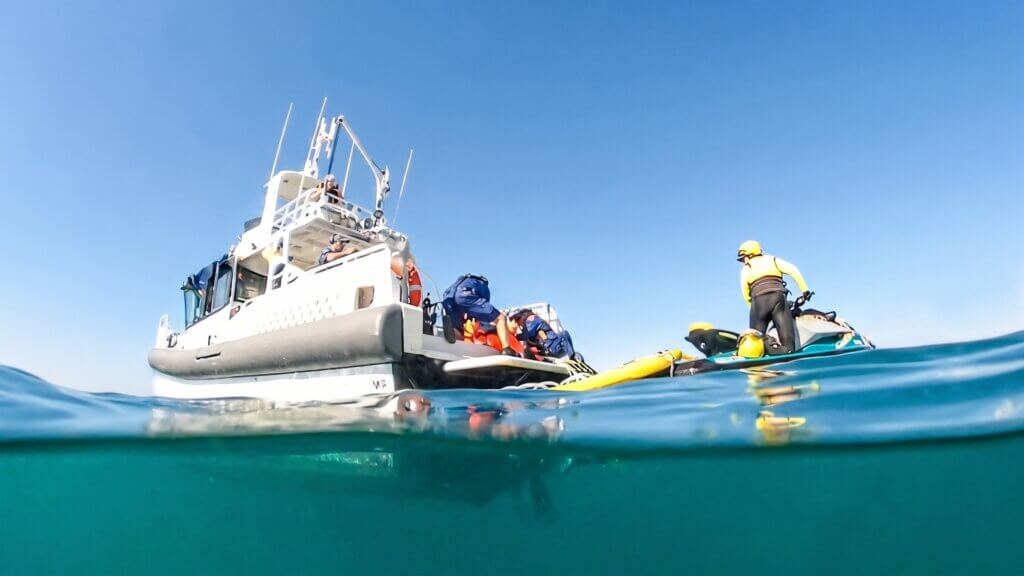
Marine Rescue Jervis Bay will host the Marine Rescue NSW regional Search and Rescue Exercise (SAREX), bringing together personnel from partner agencies and volunteers from all seven Marine Rescue NSW units across the region for the first major regional SAREX to be held at Jervis Bay.
Fourteen Marine Rescue NSW vessels - seven rescue boats and seven rescue watercraft (jet skis) - will take part, supported by NSW Police Marine Area Command, an Australian Federal Police vessel, Surf Life Saving NSW assets and the Westpac Rescue Helicopter.
For the first time at a Marine Rescue NSW SAREX, a live rescue involving multiple people will form part of the exercise.
Surf Life Saving NSW Bronze Medallion members will be deployed in a life raft as simulated patients, requiring participants to locate and rescue them as part of a scenario designed to test the response to multiple lives in immediate danger.
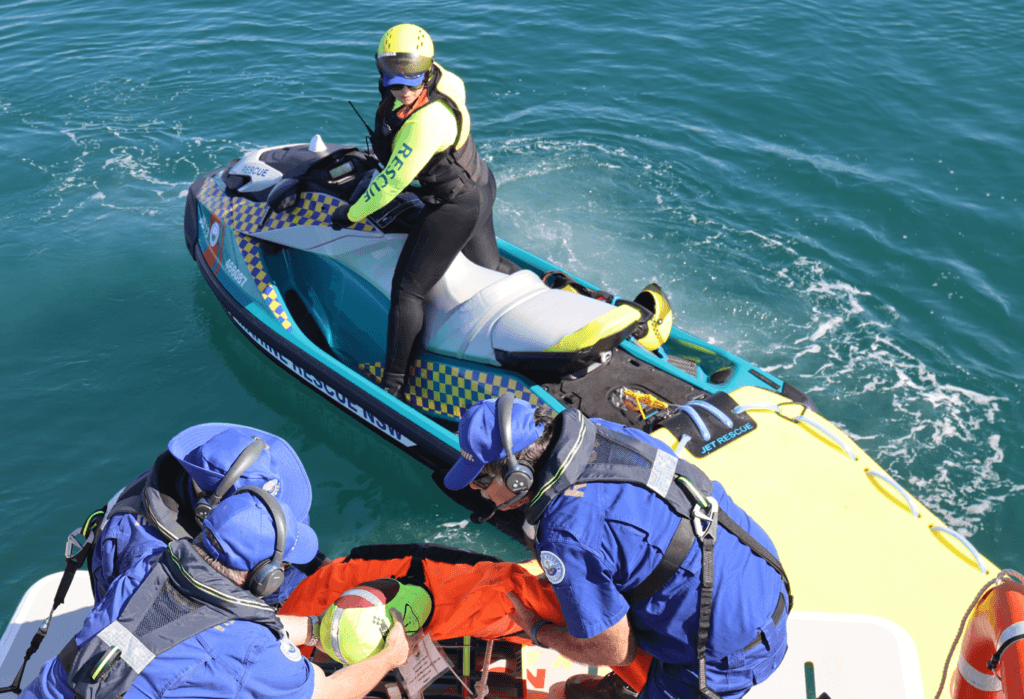
Marine Rescue NSW Inspector Stuart Massey said the scenario would provide an unprecedented test for crews.
"This is a significant step up in the realism of our SAREX training, because for the first time we will have real people in a life raft acting as patients who need to be located and rescued.
"Mass casualty rescues are vitally important to practise, and having multiple people in a life raft will add an extra dimension to an already challenging scenario.
"The scenarios are designed to be as realistic as possible because when a real emergency happens, there is no opportunity to pause and reset.
"Our volunteers need to be sharp, calm and focused when they are tasked to respond in real life."
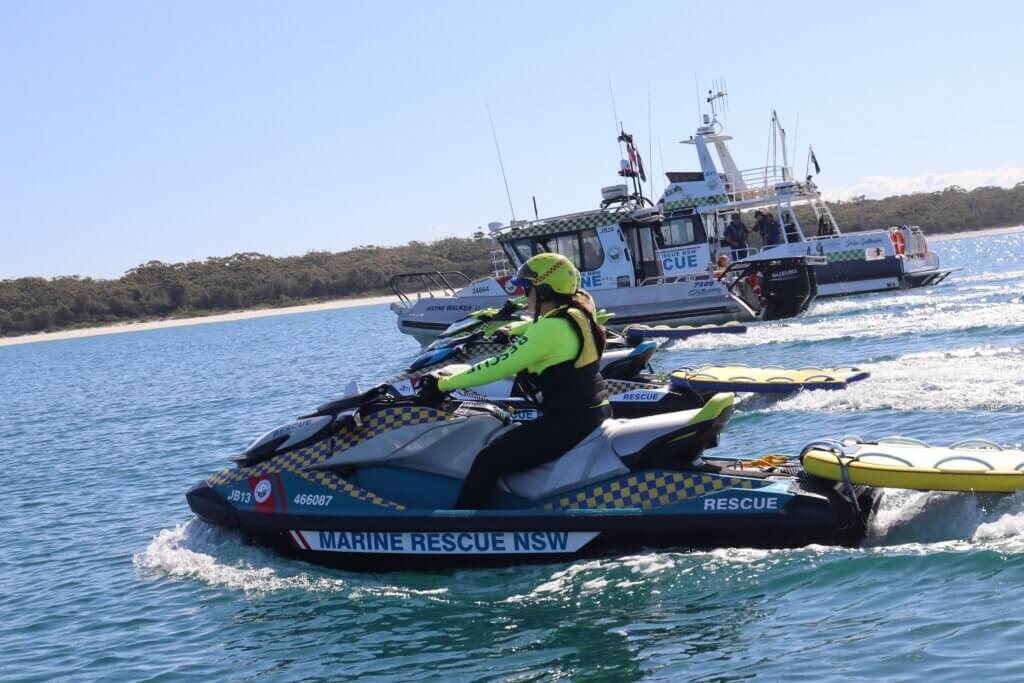
The live activation exercise will see crews receive their scenario remotely before deploying from their respective bases and travelling to designated rendezvous points within multiple search areas.
Crews will conduct searches for simulated missing persons and other objects distributed in the water, with operations taking place inside Jervis Bay and in waters off Beecroft Peninsula and St George's Head.
The exercise will test search and rescue capability, rapid response, incident management, inter-unit coordination and cooperation between emergency services.
Inspector Massey said the exercise would also replicate the complexity of real incidents, where more than one emergency can occur at the same time.
"You never know in advance when real emergencies happen, so creating an environment where multiple serious incidents are taking place simultaneously mimics what can and does happen on our waters.
"We conduct SAREXs so that when we have a real incident off the coast or on one of the region's waterways, we are well equipped and on the front foot to respond.
"These exercises allow us to put our training into practice alongside our partner agencies so when the real call comes, we can deliver an efficient and coordinated response."
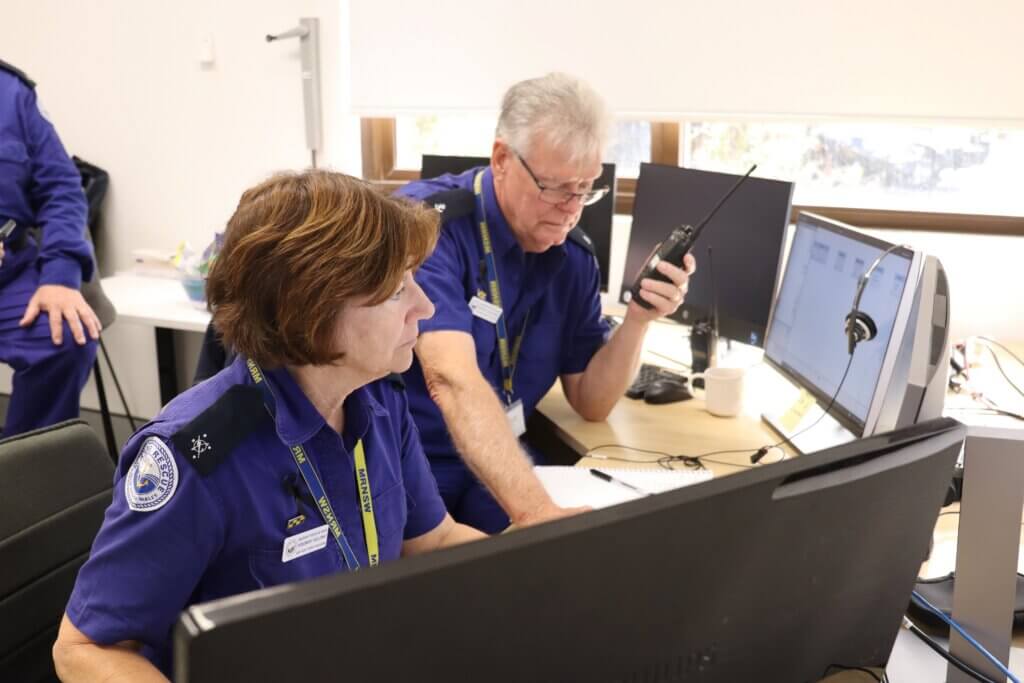
Marine Rescue NSW volunteer radio operators will also play a critical role throughout the exercise, managing communications between participating vessels and units.
"Clear and concise communication is vital to effective search and rescue missions, and our radio operators play exactly the same crucial role during exercises as they do during real incidents," Inspector Massey said.
Additional scenarios may be introduced during the exercise, further testing crews' ability to adapt to changing circumstances.
Marine Rescue NSW rescue watercraft and Surf Life Saving NSW jet skis will also conduct coastal searches during the exercise.
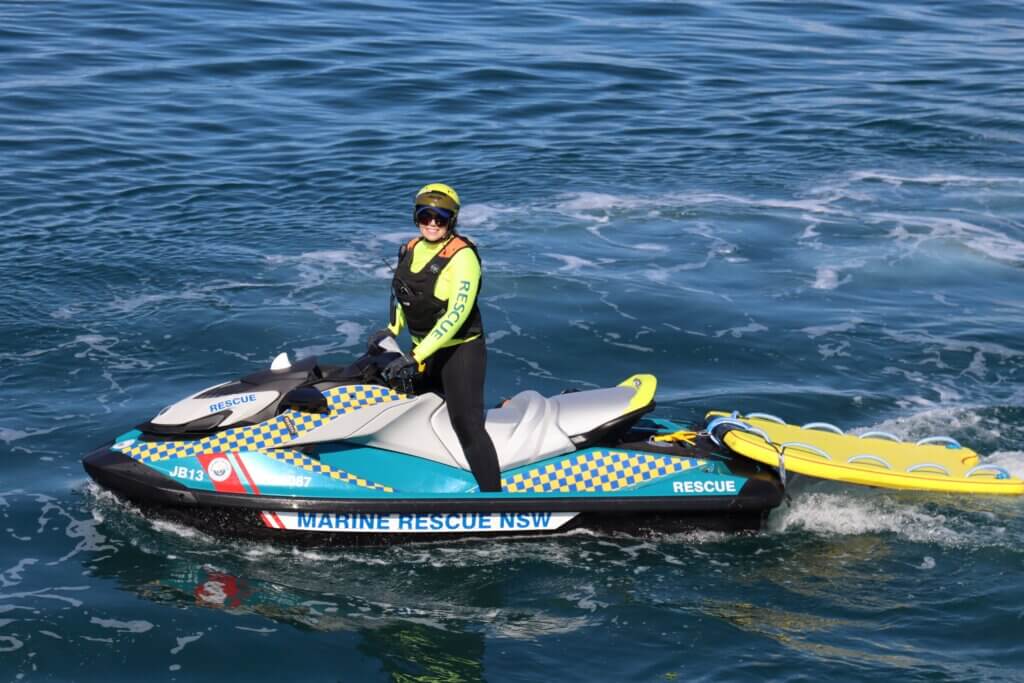
More than 70 Marine Rescue NSW volunteers and staff will take part, with all seven (Port Kembla, Shellharbour, Shoalhaven, Jervis Bay, Sussex Inlet, Ulladulla and Kioloa) Illawarra region units represented.
Despite the large-scale exercise, all participating Marine Rescue NSW units will continue to maintain their normal radio and on-water response capability in their local areas.
Inspector Massey said the community could be confident that Marine Rescue NSW remained ready to respond to genuine emergencies throughout the exercise.
"The community can be assured that if a real emergency occurs on our waterways, our rescue craft and crews are ready to respond.
"This exercise is crucial to ensuring we can respond rapidly and keep people on our waterways safe.
"It is also vitally important that agencies have opportunities like this to train together, so we are better prepared when faced with a complex multi-agency operation."
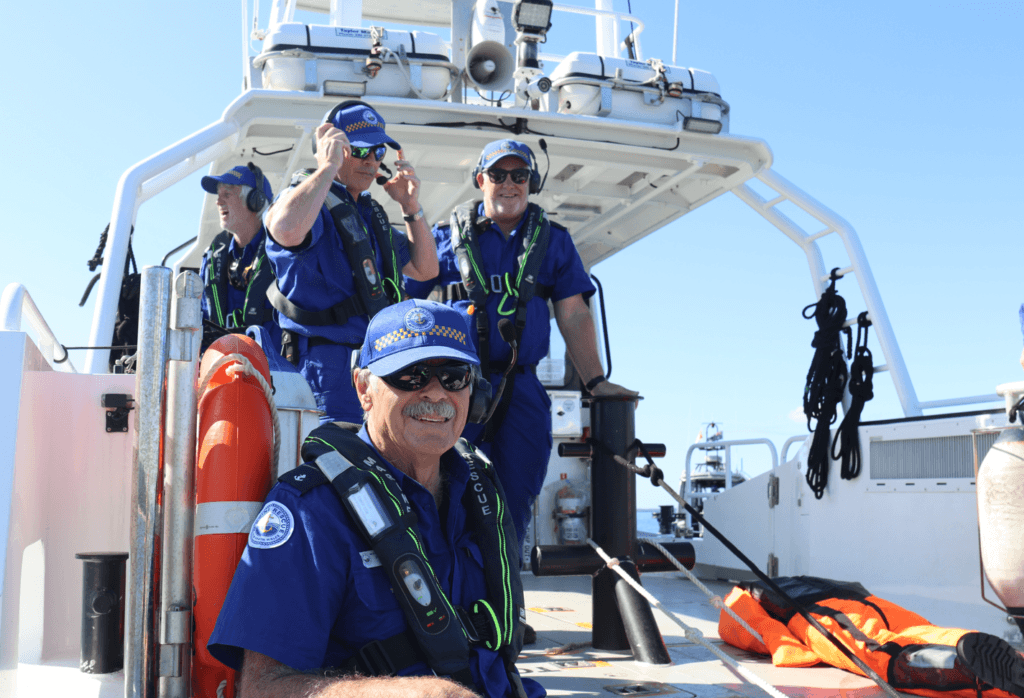
Members of the public and boaters are likely to see an increased number of rescue vessels and significant activity around and above Jervis Bay from 8am on Saturday.
Inspector Massey said there was no cause for concern.
"To members of the public and boaters who see us out there, don't be alarmed, we are conducting a controlled exercise.
"If you need assistance, contact Marine Rescue Jervis Bay or radio on VHF Channel 16. In an emergency, call Triple Zero (000).
"And please always Log On and Off with Marine Rescue NSW, either through the free Marine Rescue NSW app or on VHF Channel 16."


