
Conflicts can expose civilians and detainees to grave abuses; the challenge is not only to document these crimes, but also to ensure all survivors are recognised, protected and able to access justice and care.
When a Ukrainian prisoner of war was released in 2025 after three years in detention, he carried with him searing memories of rape, forced nudity, beatings and electric shocks to his genitals.
His experience is part of a pattern the United Nations is documenting across conflicts: Men and boys are also subjected to conflict-related sexual violence (CRSV) , often in places where sexual abuses are hard to document, including detention facilities.
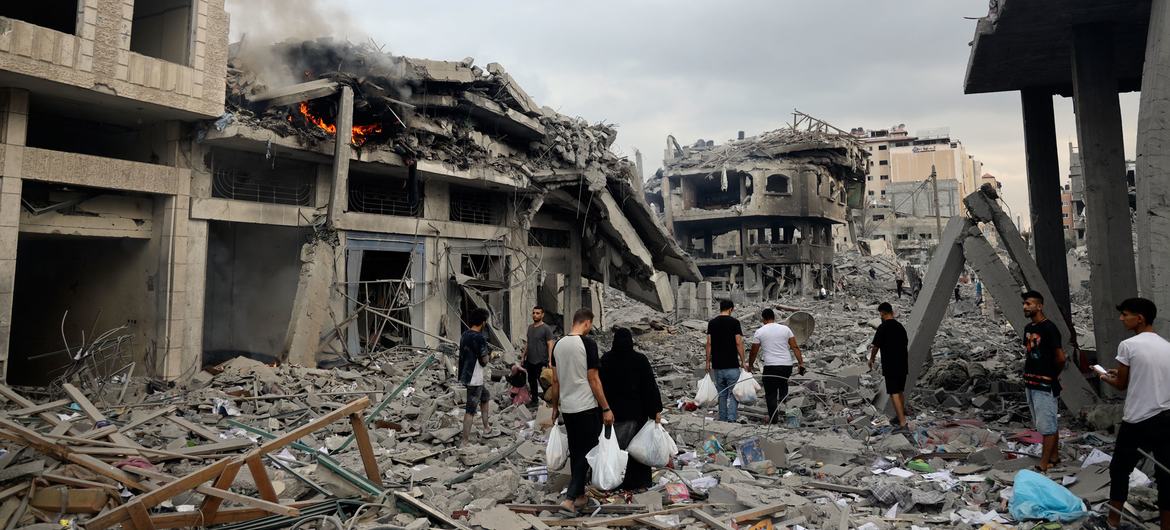
Women and girls continue to bear the overwhelming burden of this violence. But overlooking male survivors can leave them without appropriate medical, psychological or legal support.
According to the UN Secretary-General's report , women and girls made up 93 per cent of verified victims of conflict-related sexual violence in 2024, compared with seven per cent who were men and boys.
The figures, however, do not capture the full extent of the damage which remains heavily underreported; estimates suggest that 90 to 95 per cent of sexual abuse against men and boys in conflict settings is never recorded.
What happens in detention?
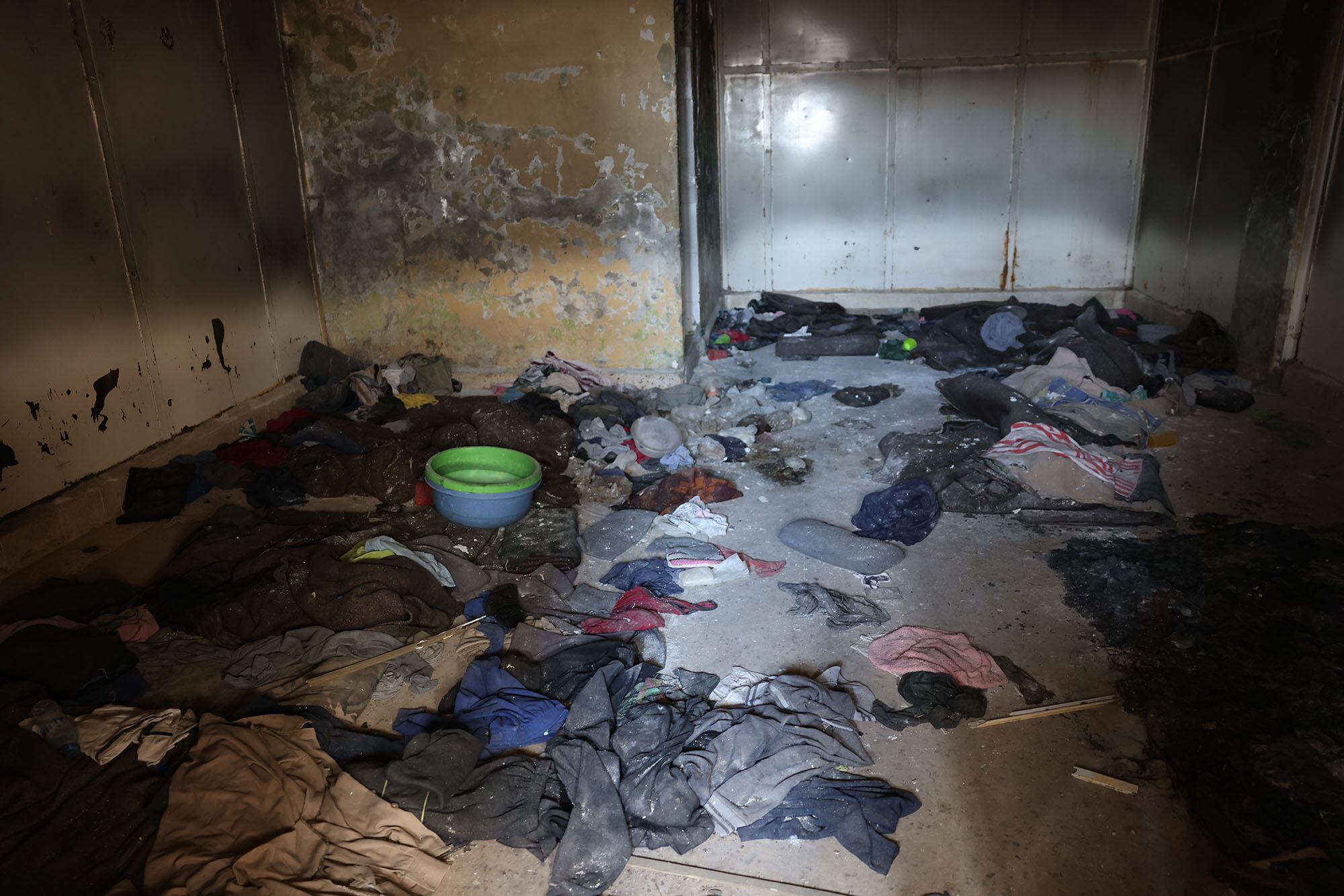
Detention is one of the settings most frequently associated with the issue. In Ukraine, the UN verified 310 cases of CRSV, 280 involving men. Many were prisoners of war or civilian detainees.
The abuses included rape, forced nudity, beatings and electric shocks, used alongside other forms of abuse to punish, humiliate and extract critical information and confessions.
The pattern is not limited to Ukraine: the UN has documented male survivors in several other conflicts, while stating that verified cases are conservative estimates because insecurity, restricted access and fear of retaliation prevent many survivors from coming forward.
Why does the crime remain hidden?
Studies by the UN Institute for Disarmament Research ( UNIDIR ) points to social expectations around masculinity, homophobia, fear of being perceived as weak and limited institutional attention to male survivors.
How cases are described can also affect whether they are identified. The Secretary-General's 2026 report notes that men and boys may describe sexual violence as torture, particularly after detention.
That can make it harder for humanitarian and justice systems to identify the specific needs associated with CRSV.
Research in eastern Democratic Republic of the Congo points to the scale of sexual violence against men, that is simply not on the radar. In one study, 23.6 per cent of men, when asked directly, reported experiencing sexual violence, and nearly two-thirds said it had occurred in the context of conflict.
For survivors, the barriers are not only institutional: community initiatives can also make a big difference on the path towards recovery. One Ukrainian survivor described the impact of connecting with others through a UN-supported network:
"For a long time, I thought what happened to me had no place to be spoken. Being here, with others who understand, changed that. It gave me a way forward."
FACT BOX
Why are cases underreported?
Stigma, fear and gaps in research and services make many cases difficult to identify. Reports on the topic suggest that men and boys are not recognized as vulnerable or protected groups in conflict settings and hence remain underreported.
Where has it been documented?
The UN has verified cases in Ukraine, Gaza and the West Bank, Sudan, the Democratic Republic of the Congo, Libya, Syria, Yemen and Haiti, among others mentioned in Report of the Secretary-General on sexual violence in conflict.
Why does recognition matter?
Recognition can determine whether survivors reach specialized care, legal assistance and support necessary for CRSV survivors.
What is the UN doing?
UN entities are improving identification, training frontline professionals and supporting survivor-centred services and networks.
What does support look like?
For survivors, recognition is not an end in itself but a path to services that may otherwise remain out of reach.
UNIDIR recommends better data collection that explicitly allows men and boys to disclose sexual violence, alongside survivor participation and psychosocial support tailored to their needs.
The UN Action network is putting some of these principles into practice. In Ukraine, the UNited Action to Empower Survivors project supported 160 survivors in 2025, including 69 men, through psychological counselling, rehabilitation and tailored assistance. It also helped establish male survivor networks offering peer support and advocacy.
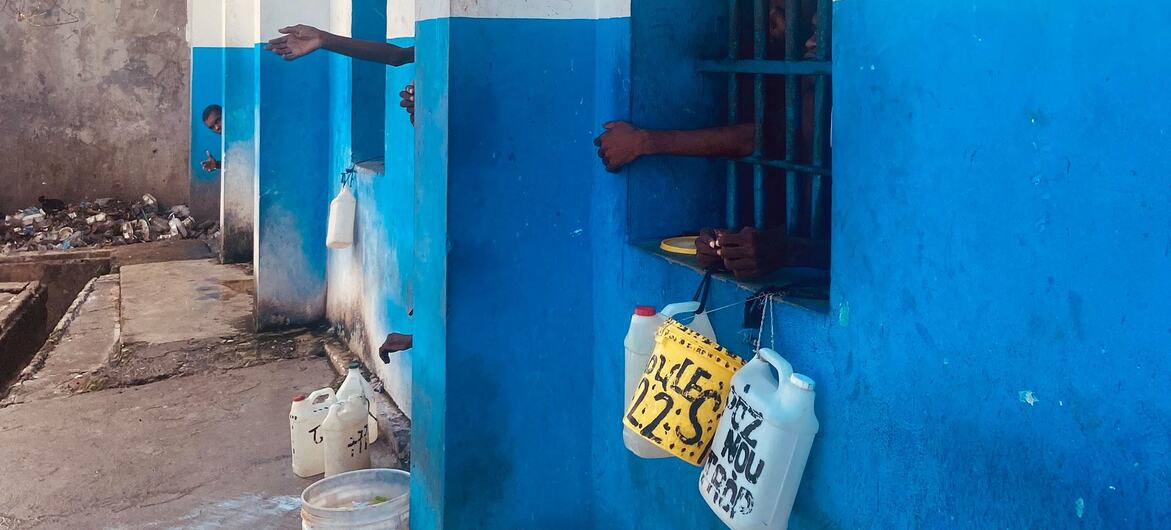
The Secretary-General stresses that survivors are not a homogenous group, and that effective responses must reflect differences in age, gender, circumstances and individual needs, rather than assume one experience of violence.
In Sudan, UN-supported initiatives have sought to create space for dialogue about the experiences of men and boys who have been harmed, while UNHCR has issued guidance for humanitarian workers supporting male survivors in refugee and displacement settings.
Why breaking the silence matters
Women and girls remain disproportionately affected by CRSV. As UN Secretary-General António Guterres has put it, "sexual violence is a threat to every individual's right to a life of dignity, and to humanity's collective peace and security."
But recognising men and boys as victims of sexual violence in conflict does not shift the focus from other vulnerable groups.
It closes a gap in the response, by ensuring that survivors who have often been overlooked can also be seen, supported and heard.


