
In the heart of the Central African Republic (CAR), a nation long marked by conflict, Nina Mireille Yankinon stands as a symbol of resilience, leadership, and hope, dedicating her life to helping communities torn apart by war.
CAR has faced recurrent cycles of conflict since 2013, when predominantly Muslim Seleka rebels seized power, prompting the rise of largely Christian anti-Balaka militias.
In Batangafo, a town in the northwest once celebrated for its diversity, fear, mistrust, and displacement have now become daily realities.
Amid this upheaval, Nina found her purpose: helping others rebuild their lives and restore a sense of hope.
From displacement to determination
Speaking to UN News she noted that "the 2013 violence in CAR had a profound and lasting impact on my life, both personally and professionally."
"Like many others in my home region of Batangafo and across the conflict-ridden country, my family and I became direct victims of the armed clashes."
"We were forced to abandon our home, possessions, and stable life to seek refuge in neighbouring Cameroon to the west. These traumatic events galvanised my commitment to peacebuilding and to protecting the most vulnerable populations, particularly women and children."
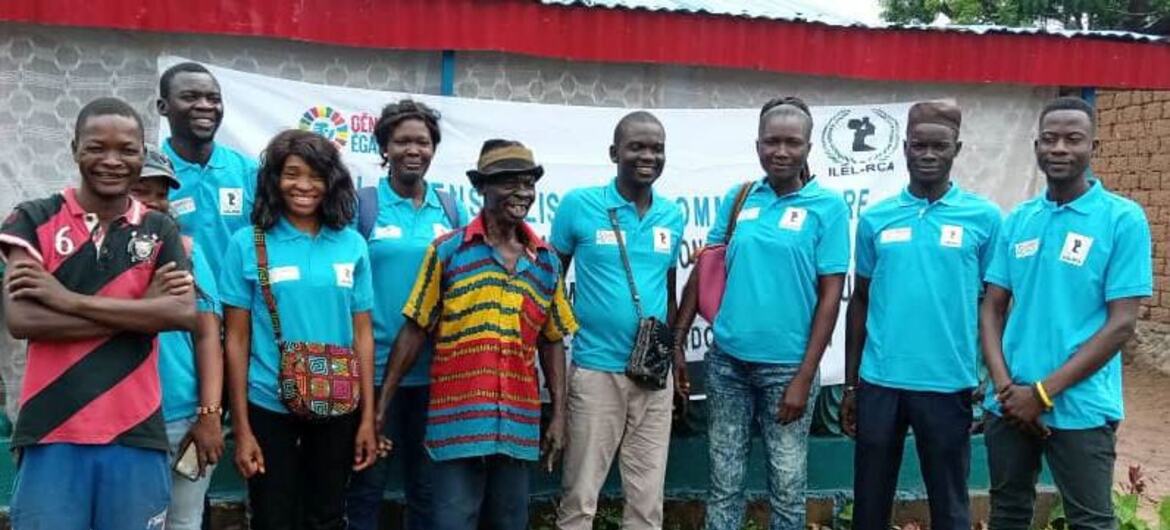
Since returning to the country, Nina has founded an NGO called Londo E Lekere (ILEL) (Let us rise up and build), which is supported by the UN Alliance of Civilizations (UNAOC) . It leads initiatives focusing on peacebuilding, and empowering women's leadership.
Building bridges in a divided society
In a society fractured by religious and ethnic mistrust, fostering dialogue across generations and beliefs remains one of the greatest challenges.
"The ethnic and religious tensions, particularly between Muslims and Christians, have been heightened since 2013, creating deep mistrust and making genuine interreligious dialogue difficult," said Nina, adding that "compounding this are generational and gender disparities, which frequently lead to the marginalisation of young people and women in community decision-making."
To address these divisions, ILEL creates inclusive forums for dialogue including radio programmes, awareness campaigns in schools. It also organises conferences and debates and promoting women as peace leaders.
Youth and gender: Turning barriers into strengths
As a young woman working in a leadership role in what she described as a "patriarchal" context, Nina has faced her share of resistance.
"Elders and traditional leaders sometimes question the authority of a young woman like me to lead initiatives. This manifests as initial resistance during inter-community awareness campaigns."
Rather than viewing her youth as a limitation, Nina considers it an advantage.
"My youth allows me to connect with vulnerable adolescents and young people, who are often excluded from dialogue, and to embody a dynamic female leadership that inspires post-2013 resilience."
In addition, she has also faced challenges directly linked to her gender.
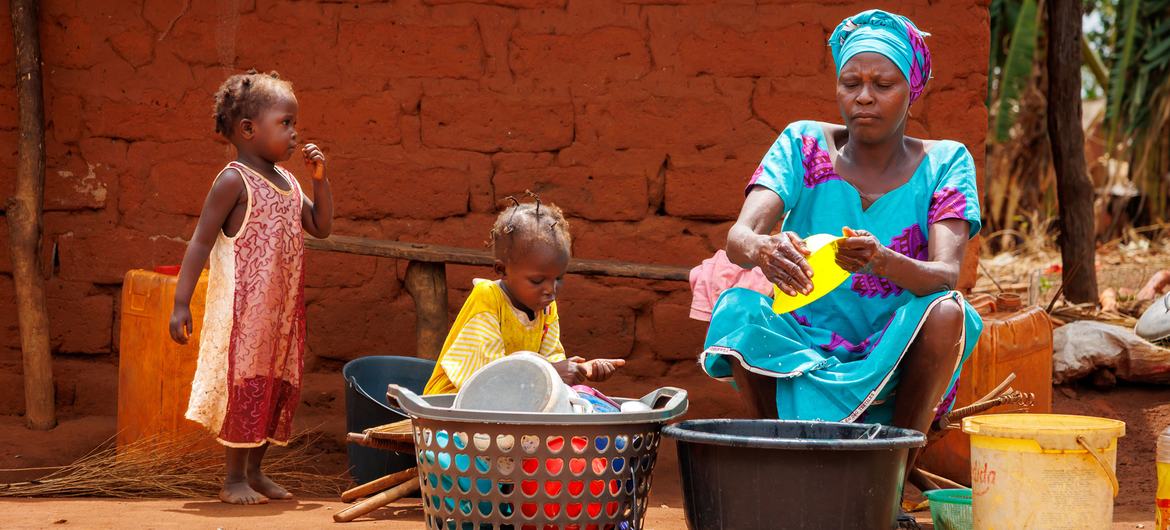
"Gender-based violence (GBV) has seen a dramatic increase since 2013, with a notable rise in rates between 2021 and 2022. This surge makes women like me primary targets and subjects us to stigmatisation."
Education: A pathway for peace
Education, for Nina, is not just a professional focus, it's a personal mission.
"Education empowers citizens, enabling dialogue that transcends ethnic, religious, and gender divisions, and ensures they understand their rights," she emphasised.
Through ILEL, she has launched projects that distribute learning materials, and train teachers. The focus is on engaging parents, teachers, and local leaders to ensure each programme truly reflects community priorities.
A vision for resilience
From establishing health centres to supporting local farmers and documenting victims' stories through a community blog, Nina's work continues to inspire across the CAR and beyond.
"Peace, equality, and resilience," she stated, are the values that continue to inspire and sustain her commitment to this cause, recognizing that peace is not built in conference rooms, but is nurtured in classrooms, markets, and villages, "by those who refuse to give up on hope."


