

Investing in arts‑in‑health programs is not only improving wellbeing in rural communities, it is also delivering strong economic returns for local businesses, according to new research evaluating a community‑led project in South Australia's Murray Mallee.
A recent publication on The Pinnaroo Project in the international journal Rural and Remote Health found that for every dollar invested in the program, the local community received a return of $2.30.
 Flinders University partnered on the evaluation, which examined both health outcomes and economic impacts over a three‑year period.
Rural and remote communities often face limited access to health services, alongside social and economic pressures that affect physical and mental wellbeing. The World Health Organization (WHO) recognises the arts as a powerful, non‑invasive way to support health, particularly where traditional services are limited.
The Pinnaroo Project was established by the local community to respond to this challenge, using creative arts to strengthen connection, support health and improve quality of life.
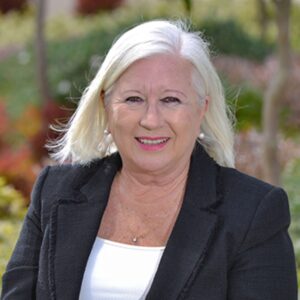
Matthew Flinders Emeritus Professor Robyn Clark says the findings show the impact of community‑led approaches.
"This research shows that arts‑in‑health programs are not an optional extra for rural communities," she says. "They are a practical and effective way to support both health and economic resilience."
Between 2021 and 2023, the project delivered more than 57 creative experiences across 110 workshops. Participation was strong, with 90 per cent of participants reporting high satisfaction.
Over the three‑year period, 564 health screenings were completed, and most participants also reported engaging in arts activities. Engagement among children was particularly high, with 91 per cent of local children taking part.
Adults who participated in arts activities reported significantly lower levels of depression compared with non‑participants and more likely to engage in healthier behaviours, including better diet, higher fruit and vegetable intake and lower smoking rates, and had a better quality of life.
"These programs create spaces where people can connect, express themselves and feel supported," says Professor Clark. "Those social and emotional benefits flow through to better health outcomes, which is especially important in communities with limited access to services."
The project also delivered clear economic benefits. An independent economic evaluation led by health economist Professor Barry Burgan assessed both short‑term spending and longer‑term impacts linked to improved health and productivity.
In the short term, the project generated around $63,000 in local economic activity and created 605 hours of direct community employment.
Longer‑term benefits were conservatively projected over five years and included savings to health services, reduced sick leave for local businesses, improved workforce skills and broader productivity and quality‑of‑life gains. Even under these cautious assumptions, total benefits were estimated at approximately $652,000 against a program cost of $283,516, resulting in a net benefit of $368,000.
Professor Clark says the findings challenge the idea that arts programs are simply a 'nice to have'.
"This is clear evidence that investing in arts‑in‑health is a smart use of public and community funds. The returns are real, they are local, and they extend well beyond health into the social and economic fabric of rural communities," she says.
The researchers say they are seeking to partner with more communities across Australia to explore the health, wellbeing and economic benefits of the arts.
The paper, 'The Pinnaroo Project: a longitudinal 3-year cross-sectional study of the impact of a community-based arts-in-health program on the health and wellbeing of a remote Australian community', by Clark R, Fuller JD, Gulyani A, Cowill DF, Wallis J, Niejalke RR, McGann MC, Polkinghorne M, Thornton D, Wallen MP, Denton J, Cassidy SB, Romano J, Ferreira I, Lim EE, Tulsi NS, Burgan BJ, Kitson AL and The Pinnaroo Project Team was published in Rural and Remote Health. DOI: 10.22605/RRH9893
See also, Art the remedy for regional community health and wellbeing
Acknowledgements: The Pinnaroo Project was funded by grants received from Regional Arts Australia, South Australian Government Department of Human Services - Targeted Our Town Support, the Foundation for Regional & Rural Renewal's Tackling Tough Times Together, the Flinders University Arts in Health Alliance, the Cybec Foundation and Southern Mallee District Council.
The Flinders University Caring Futures Institute Team and Cybec were honoured to be invited to support the evaluation of the Pinnaroo Project, which also enabled a special group of student and academic volunteers a life-changing clinical research field trip experience that provided them with an opportunity to contribute to Australian rural health.


