
The UAB's School for a Culture of Peace (ECP) and the Catalan Commission for Refugee Assistance (CCAR) have published the report entitled "Canvi climàtic, conflictes i desplaçament forçat: claus, experiències i reptes de protecció" [Climate change, conflicts and forced displacements: key aspects, experiences and protection challenges] within the framework of a project with the support of the Barcelona City Council. The report aims to analyse how climate crisis interacts with armed conflicts and influences forced displacement around the world.
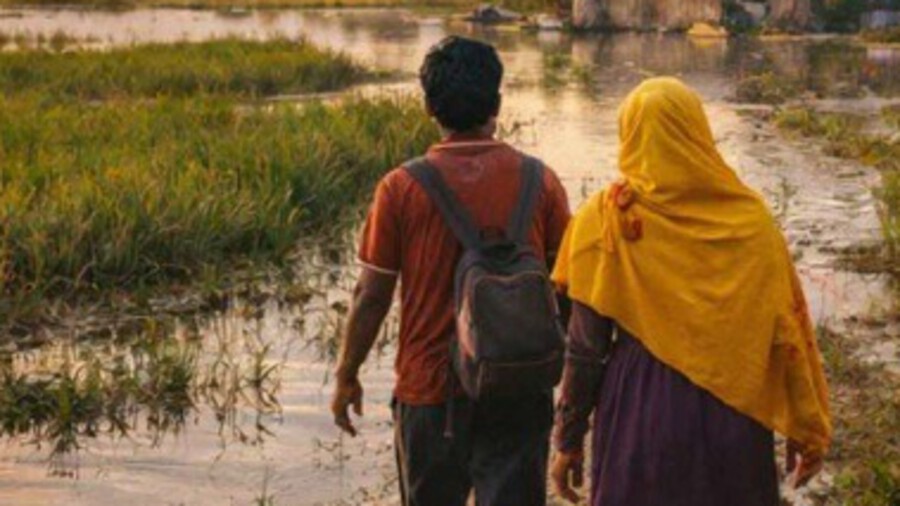
The report analyses the diversity of relationships between climate change, conflict and forced displacement, and focuses on the challenges of international protection for affected populations. It combines case studies from different continents to illustrate the complexity of this nexus. Specifically, situations in the Democratic Republic of the Congo, Mozambique, Western Sahel, Palestine and the Philippines are examined. In addition, the report addresses some significant elements of international response and the incorporation of climate change into the global peace and security agenda, with an approach that includes a gender perspective.
The report highlights that many situations of forced displacement are the result of the confluence of armed conflicts and climate emergencies and processes of environmental degradation often linked to extractive activities. The analysis of the multidirectional, direct and indirect interactions that can be established between these phenomena shows the complexity of these relationships and also the need to pay attention to their effects in order not to amplify the vulnerabilities of different population groups.


